



Browse Study Programs
131 courses available
 Live Webinar "Study Digital Business Management [Webinar in German]""Study Business Administration" - Starts in

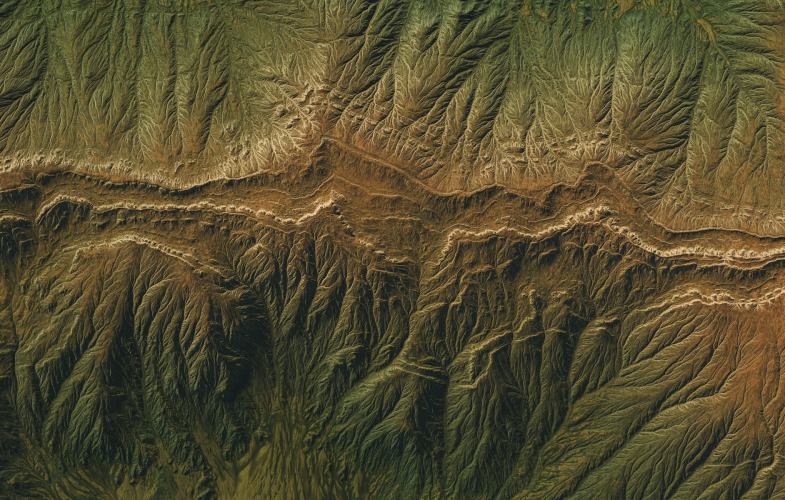
Germany emerges as an exceptional hub for international students pursuing Planetary Science, offering unrivaled access to Europe's planetary exploration infrastructure through the German Aerospace Center (DLR) Institute of Planetary Research in Berlin-Adlershof, Max Planck Institute for Solar System Research in Göttingen, and direct involvement in groundbreaking missions including ESA's BepiColombo to Mercury, JUICE to Jupiter's moons, ExoMars program, and NASA collaborations like the InSight Mars lander where German instruments probe planetary interiors and atmospheres. Through comprehensive interdisciplinary programs that seamlessly blend planetary geology, atmospheric physics, astrobiology, and comparative planetology with hands-on experience in mission planning, instrument development, and data analysis from spacecraft exploring Mars, Venus, asteroids, and icy moons, students work with world-leading scientists utilizing cutting-edge facilities including planetary simulation chambers, meteorite collections, remote sensing laboratories, and supercomputing clusters for modeling planetary evolution and climate systems. Germany's pivotal role in developing planetary instrumentation from spectrometers and seismometers to radar systems, combined with strong partnerships with space companies like OHB System and Airbus Defence and Space plus emerging NewSpace ventures focused on lunar and asteroid exploration, creates exceptional opportunities for research internships and career development spanning planetary geology, mission operations, astrobiology research, and space resource utilization, with graduates commanding competitive starting salaries of €48,000-€58,000 as planetary scientists, mission specialists, remote sensing analysts, or space policy advisors. The powerful combination of affordable world-class education, participation in active planetary missions providing real-time data from across the solar system, access to exclusive planetary analog field sites, strong integration with European Space Agency programs, interdisciplinary training bridging geology and space technology, English-taught graduate programs, involvement in future missions to Europa and Enceladus searching for signs of life, and Germany's generous 18-month post-study work permit establishes the nation as the ideal launchpad for ambitious scientists ready to unravel the mysteries of planetary formation, evolution, and habitability while contributing to humanity's expansion into the solar system.
 Study programs
  English-taught programs
  Universities
  Intakes
  Full Subject Profile
 Browse Study Programs
131 courses available
 Type in your Subject, e.g., Economics
 Which degree?
 Choose degree
 German Students
  Other EU Students
  Non-EU Students German Students German Students Other EU Students
  Non-EU Students Non-EU Students
| Admission-restricted courses | Admission-free courses | |
|---|---|---|
| Master | No courses | 15 July |
 Specific courses may have different application deadlines. Please always double-check the information individually.


 StudyFinder
  UniFinder

 2 filter options selected
  Sort by: