

 Study programs
  Universities
  Intakes




Browse Study Programs
2 courses available
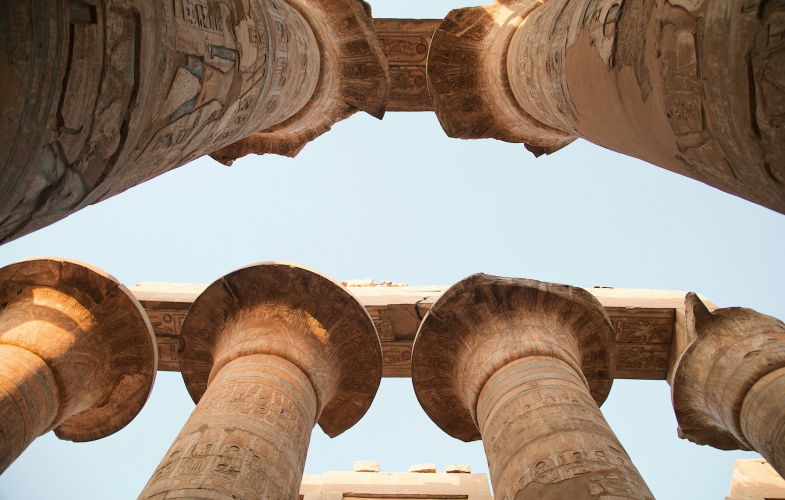

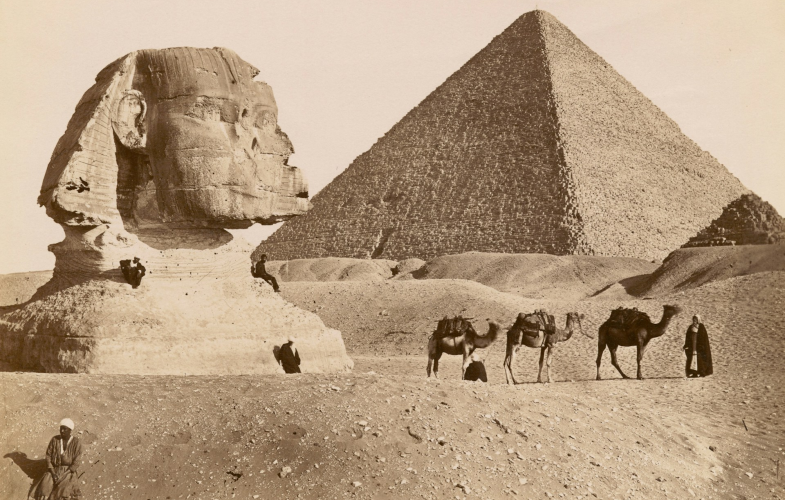
Germany stands as a global epicenter for international students pursuing Egyptology, offering world-renowned programs rooted in a remarkable 200-year tradition of Egyptian scholarship at prestigious institutions like the Institute of Egyptology at Ludwig Maximilian University Munich, Heidelberg University's Egyptological Institute, the Berlin Egyptian Museum with its iconic Nefertiti bust, and the University of Leipzig where the Ebers Papyrus revolutionized understanding of ancient medicine, positioning students at the forefront of decoding one of humanity's most fascinating civilizations. Through comprehensive curricula that masterfully integrate hieroglyphic and hieratic script analysis, archaeological methodology, ancient Egyptian religion and mythology, art history from pyramid complexes to Amarna period innovations, and material culture studies with hands-on training in papyrology, digital epigraphy, conservation techniques, and remote sensing for site documentation, students work with unparalleled collections including 100,000+ Egyptian artifacts across German museums, original papyri, mummies undergoing CT scanning, and cutting-edge technologies from RTI (Reflectance Transformation Imaging) to 3D reconstruction of ancient sites while engaging with ongoing excavations at Elephantine Island, Dahshur, and collaborative projects with the German Archaeological Institute Cairo. Germany's unique position housing major Egyptian collections acquired through scientific expeditions rather than colonial exploitation, combined with its leadership in archaeological conservation, digital humanities applications to ancient texts, and substantial funding for fieldwork through the German Research Foundation (DFG), creates exceptional opportunities for research internships at institutions like the Papyrus Collection in Berlin, participation in active excavations, and collaborative projects with Egyptian authorities on heritage preservation, examining everything from royal succession patterns to daily life in Deir el-Medina, trade networks across the ancient Mediterranean, and religious transformations from polytheism to early Christianity. The programs, increasingly offered with English components alongside essential training in German Egyptological terminology, French scholarly literature, and ancient languages including Middle Egyptian, Coptic, and Demotic, prepare students to tackle challenges from deciphering unpublished texts to reconstructing fragmented artifacts, while engaging with contemporary issues including repatriation debates, sustainable tourism at archaeological sites, and protecting Egyptian heritage from looting and climate change impacts.
Show more...Egyptology in Heidelberg
Browse Study Programs
2 courses available
 Type in your Subject, e.g., Economics
  QS Ranking
 Which degree?
 Choose degree
 German Students
  Other EU Students
  Non-EU Students German Students German Students Other EU Students
  Non-EU Students Non-EU Students
| Admission-restricted courses | Admission-free courses | |
|---|---|---|
| Master | No courses | No information |
| Bachelor | No courses | 31 October |
 Specific courses may have different application deadlines. Please always double-check the information individually. StudyFinder
  UniFinder

 2 filter options selected
  Sort by: