 14. Oktober 2026, 16:00 (Europe/Berlin)


Biochemistry and Biophуsiсs


(Beginn: Wintersemester)
- Beginn
- Wintersemester
- Zulassungsverfahren:
- zulassungsfrei, aber Eignungstest
- Studienmodus:
- Präsenzstudium
Kursbeschreibung
The study of the molecular basis of living systems is the leitmotif of biochemistry. From the analysis of chemical structures of living nature to the research of biological functions, biochemistry shows a fascinating scientific diversity. Originating from the study of metabolic reactions, enzymology, and their energetics, modern biochemical research has now branched out into numerous different, partly technologically influenced areas.
Refined methods of structural analysis such as protein crystallography, magnetic resonance, or mass spectrometry are used to clarify the basics of understanding the biomolecular functions of proteins, nucleic acids, carbohydrates, and lipids. In conjunction with the methods of molecular biology, detailed insights into the mechanisms of enzymatic catalysis as well as energy metabolism, signal transduction, and cell-cell communication are gained.
The Master of Science Biochemistry and Biophysics program at the Albert Ludwig University is a consecutive, research-oriented four-semester master's program. Building on bachelor's programs in biochemistry, biophysics, life sciences, pharmaceutical sciences, biology, chemistry, and molecular medicine, students qualify in the interdisciplinary subjects of biochemistry, biophysics, bioinformatics, and bioengineering. The description of the mechanisms of protein function at the molecular level is a key focus of the master's program in Biochemistry and Biophysics.
Biochemistry and biophysics form the basis for understanding the chemical reactions of a cell at the molecular level. Spectroscopic and kinetic methods help to understand the mechanism of an enzyme. Its three-dimensional structure is the basis of its function, and molecular biology techniques are used to verify this function. With the help of bioinformatics, molecular interactions can be identified and new ones can be created with synthetic biology.
Structurally, the course is divided into three sections: the first two semesters, which guarantee a fundamental approach to the various areas of biochemistry and biophysics and a deepening of knowledge; the third semester, in which profile building takes place in the context of the advanced internship and the research internship leading up to the topic of the master's thesis. The research and advanced internship can be combined and completed at a research institution, a university, or an industry in Germany or abroad. The master's thesis is written in the fourth semester.
Voraussetzungen
Qualifikationsvoraussetzungen
Bachelor's degree (or equivalent) in biochemistry, biophysics, life sciences, pharmaceutical sciences, biology, chemistry, or molecular medicine, or in an equivalent degree program.
Minimum standard period of study: 3 years.
Required ECTS credits: 180.
The applicant must provide evidence that has completed courses worth 10 ECTS points in the fields of biochemistry or biophysics as part of the university degree program leading to the first degree and courses worth 10 ECTS points in the fields of mathematics, bioinformatics, or physiсs.
Sprachvoraussetzungen
Die folgenden Zertifikate werden als Nachweis deiner Sprachkenntnisse anerkannt.
 English
 German
Webinare mit MyGermanUniversity
Nächste Webinare

28. Januar 2027, 16:00 (Europe/Berlin)
Universität Freiburg
 M.Sc. Biomedical Scienсеs
 Bewerbung & Zulassung
Bewerbungsfristen

Gesperrt
Melde dich an oder registriere dich (kostenlos) um
- → Info-Broschüren anzufordern
- → deine persönliche Bewerbungsfristen und Studiengebühren zu sehen
(Beginn: Oktober)
Deutschland Ein anderes EU-Land
 Rest der Welt
Bewerbungsverfahren & Auswahl
none
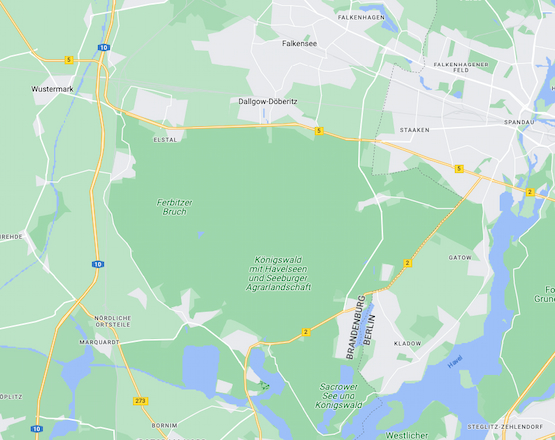
Standort