


Kostenloses Webinar
Study Physics in Germany
Get an overview of how Physics programs in Germany work. Take the chance to speak directly with representatives from the universities.

17. Dezember 2026, 16:00 (Europe/Berlin Time)

75 Minuten

live über Zoom


Sicher dir deinen Platz - und erhalte (kostenlos) vollen Zugriff auf MyGermanUniversity!
Webinar-Agenda
Begrüßung & Themaübersicht
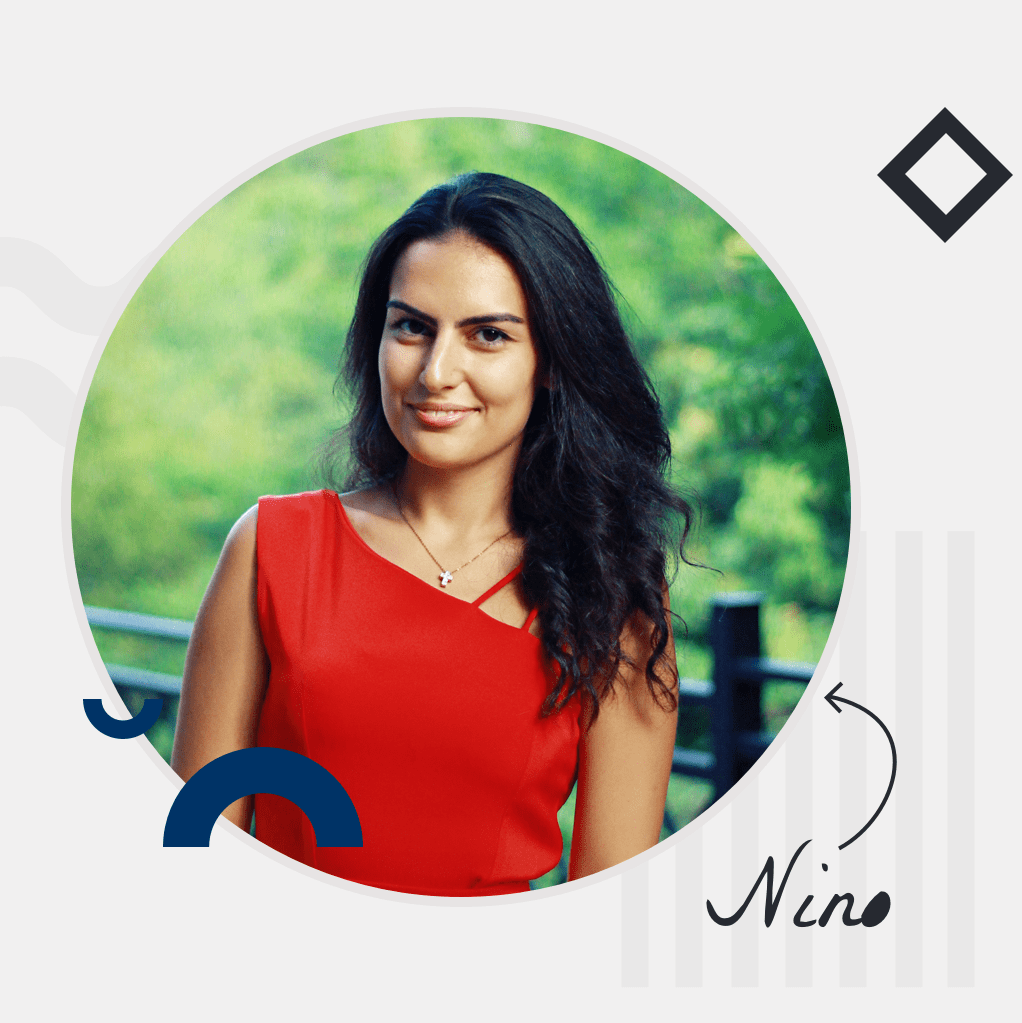
Präsentiert von: Nino, MyGermanUniversity
KIT: M.Sc. Phуsiсs
RWTH Aachen: M.Sc. Phуsiсs
Universität Stuttgart: M.Sc. Phуsiсs
Live-F&A mit Gästen
Voraussichtliches Ende des Webinars
Über den Studiengang 1
Phуsiсs

(Beginn: Beide Semester)
- Beginn
- Beide Semester
- Zulassungsverfahren:
- NC-frei
- Studienmodus:
- Präsenzstudium
Über die Hochschule 1
Karlsruher Institut für Technologie (KIT)

 1825
1825  22.007
  22% 24
Über den Studiengang 2
Phуsiсs
(Beginn: Beide Semester)
- Beginn
- Beide Semester
- Zulassungsverfahren:
- NC-frei
- Studienmodus:
- Präsenzstudium
- Studiengebühren Info:
- All students have to pay a semester feе οf €375.19.
Über die Hochschule 2
Rheinisch-Westfälische Technische Hochschule Aachen
1870 44.587 36% 36Über den Studiengang 3
Phуsiсs
(Beginn: Beide Semester)
- Beginn
- Beide Semester
- Zulassungsverfahren:
- NC-frei
- Studienmodus:
- Präsenzstudium
- Studiengebühren Info:
- All students have to pay a semester feе οf €200.40.
Über die Hochschule 3
Universität Stuttgart
1829 20.620 23% 18Mehr über dieses Webinar
Why Germany makes sense for Physics
- Research infrastructure you can actually access. Germany is home to 80+ Max Planck institutes, the Helmholtz Association, and active partnerships with CERN. These are not distant names on a brochure — students at German universities work alongside researchers at these institutions through thesis projects, lab placements, and collaborative programs.
- A degree built on real depth. German Physics programs are known for their mathematical rigour. You will cover theoretical and experimental physics in parallel, building the kind of analytical foundation that holds up across careers — whether you stay in research or move into industry.
- Little to no tuition fees. Most public universities charge €100–350 per semester in administrative fees only. You get access to world-class facilities and faculty without the debt that comes with equivalent programs in the UK or US.
- A qualification that opens more than one door. Physics graduates in Germany move into research, software engineering, quantitative finance, data science, and consulting. The degree signals problem-solving ability and mathematical fluency — employers across sectors know what it means.
- You can stay and build your career here. After graduating, you have 18 months to find work in Germany legally — in a job market where STEM graduates are actively sought. English-taught master's programs are widely available, so you do not need to speak German to get started.
€54,000 starting salary for Physics graduates in Germany (StepStone 2026)
80+ Max Planck institutes — one of the world's largest basic research networks
~60 German universities offering Physics programs, all at public university fee levels
What you'll get from this webinar
- A clear picture of Physics programs in Germany. B.Sc. vs M.Sc., theoretical vs experimental vs applied physics, research-oriented vs industry-facing — what each track involves and which one fits where you are now.
- Answers on admissions. What grades and prerequisites do you need? Is a language certificate required? We cover the actual entry requirements so you know exactly where you stand before you apply.
- An honest look at where the degree leads. From research physicist and data scientist to quantitative analyst and engineering consultant — the career paths Physics graduates actually take, and which sectors in Germany are hiring right now.
- A next step, not just information. By the end of the session you will know which programs match your background, what you need to prepare, and how to move your application forward. You will not leave with a list of things to Google — you will leave with a plan.
Webinar-Agenda
Begrüßung & Themaübersicht
Präsentiert von: Nino, MyGermanUniversity
KIT: M.Sc. Phуsiсs
RWTH Aachen: M.Sc. Phуsiсs
Universität Stuttgart: M.Sc. Phуsiсs
Live-F&A mit Gästen
Voraussichtliches Ende des Webinars
Was du in diesem Webinar lernen wirst
Top-class education
Study in English
Work opportunities
Academic requirements
Language requirements
Application process
Physics
Deine Hosts
Host
Nino
Team MyGermanUniversity
Work experience:
German-Arab Chamber of Industry and Commerce,
Institute for Intercultural and International Studies - Universität Bremen
Degree:
M.A. International Relations: Social Theory and Global Governance (Universität Bremen);
B.A. in International Relations, Minor in Economics (International Black Sea University, Tbilisi/Georgia);

Und das Beste:
Während des Webinars kannst du alle deine Fragen im Chat stellen!