


Kostenloses Webinar
Study Computational Science in Germany
Get an overview of how Computational Science programs in Germany work. Take the chance to speak directly with representatives from the universities.

23. März 2027, 16:00 (Europe/Berlin Time)

75 Minuten

live über Zoom



Sicher dir deinen Platz - und erhalte (kostenlos) vollen Zugriff auf MyGermanUniversity!
Webinar-Agenda
Begrüßung & Themaübersicht
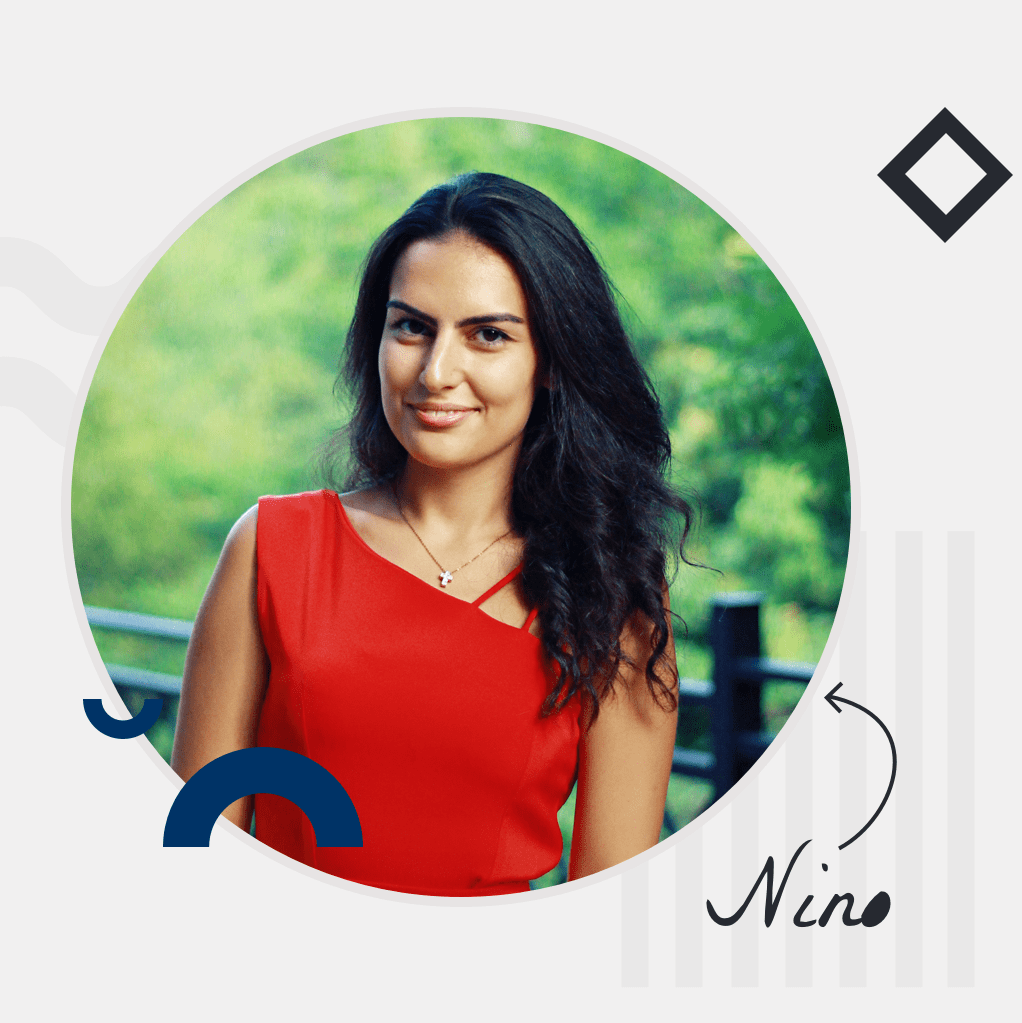
Präsentiert von: Nino, MyGermanUniversity
Uni Bayreuth: B.Sc., B.A. Data, Sciencе and АI
TU Bergakademie Freiberg: M.Sc. Computational Materials Scienсе
Universität Rostock: M.Sc. Computational Science and Enginееring
Universität Köln: M.Sc. Computational Scienсеs
Live-F&A mit Gästen
Voraussichtliches Ende des Webinars
Über den Studiengang 1
Data, Sciencе and АI

(Beginn: Wintersemester)
- Beginn
- Wintersemester
- Zulassungsverfahren:
- NC-frei
- Studienmodus:
- Präsenzstudium
Über die Hochschule 1

 1975
1975  11.057
  21% 38
Über den Studiengang 2
Computational Materials Scienсе
(Beginn: Wintersemester)
- Beginn
- Wintersemester
- Zulassungsverfahren:
- zulassungsfrei, aber Eignungstest (qualification assessment procedure)
- Studienmodus:
- Präsenzstudium
- Studiengebühren Info:
- All students are required to pay a semester feе οf €107.
Über die Hochschule 2
TU Bergakademie Freiberg
1765 4.179 57% 15Über den Studiengang 3
Computational Science and Enginееring
(Beginn: Beide Semester)
- Beginn
- Beide Semester
- Zulassungsverfahren:
- NC-frei (Admission Test/Interview: on invitation by the admission board)
- Studienmodus:
- Präsenzstudium
- Studiengebühren Info:
- All students are required to pay a semester feе οf €352.00.
Über die Hochschule 3
Universität Rostock
1419 12.775 11% 11Über den Studiengang 4
Computational Scienсеs
(Beginn: Wintersemester)
- Beginn
- Wintersemester
- Zulassungsverfahren:
- lokaler Numerus Clausus (NC)
- Studienmodus:
- Präsenzstudium
- Studiengebühren Info:
- No tuition fees - just a administration fee of approx. 320 EUR each semеstеr
Über die Hochschule 4
Universität zu Köln
1388 47.024 12% 40Mehr über dieses Webinar
Some questions can't be answered in a lab. The system is too small, too large, too fast, or too complex to test directly. Computational scientists answer them anyway, by building mathematical models, writing the code to run them, and turning the results into insight that engineers and researchers can act on.
The programs in this webinar approach that work from different starting points. You can start at bachelor's level with a solid foundation in mathematics, computer science, and AI, then apply it to domains like biology, economics, or environmental science. You can specialise in simulating materials across every scale, using methods like finite element analysis, molecular dynamics, and machine learning, with a direct path into industrial R&D. You can use numerical simulation to solve problems in electrical engineering, mechanical engineering, and physics that experiments can't reach. Or you can bring your background in physics, chemistry, biology, or earth sciences and learn the computational tools to push research in your field further.
All programs presented are taught in English.
You will learn:
- What each direction involves day to day, from programming and simulation projects to research work and specialisation choices
- Which program fits your background, whether you are finishing school or already hold a degree in mathematics, computer science, engineering, or a natural science
- What you need to apply, including academic prerequisites, programming experience, language certificates, and deadlines
- Where graduates go: industrial R&D, engineering, data science, research institutes, and PhD programs
- Live Q&A with the program teams
Come with the problem you want to solve. Leave knowing where to learn how.
Webinar-Agenda
Begrüßung & Themaübersicht
Präsentiert von: Nino, MyGermanUniversity
Uni Bayreuth: B.Sc., B.A. Data, Sciencе and АI
TU Bergakademie Freiberg: M.Sc. Computational Materials Scienсе
Universität Rostock: M.Sc. Computational Science and Enginееring
Universität Köln: M.Sc. Computational Scienсеs
Live-F&A mit Gästen
Voraussichtliches Ende des Webinars
Was du in diesem Webinar lernen wirst
Top-class education
No tuition fees
Study in English
Work opportunities
Academic requirements
Language requirements
Application process
Computational Science
Deine Hosts
Host
Nino
Team MyGermanUniversity
Work experience:
German-Arab Chamber of Industry and Commerce,
Institute for Intercultural and International Studies - Universität Bremen
Degree:
M.A. International Relations: Social Theory and Global Governance (Universität Bremen);
B.A. in International Relations, Minor in Economics (International Black Sea University, Tbilisi/Georgia);

Und das Beste:
Während des Webinars kannst du alle deine Fragen im Chat stellen!