

Medical Neuroscienсеs

(Starting: Winter Semester)
- Starting
- Winter Semester
- Mode of Admission:
- no admission restriction, but ability test (Interview and Knowledge Test)
- Study Mode:
- On campus
- Registration Fee & Tuition Information:
- All students are required to pay a semester fee of approximatеlу €350.
Five Reasons to choose this Master's Program


Course Description
The Master’s Program in Medical Neurosciences at Charité – Universitätsmedizin Berlin offers an exceptional opportunity for students to engage in cutting-edge research within one of Europe’s most prestigious medical universities. This two-year international program is designed to provide comprehensive training in both basic and clinical neuroscience, with a strong emphasis on preparing students for future careers in research or academia. Set in the heart of Berlin, this program delivers a world-class education in a unique academic environment, where students benefit from a combination of rigorous theoretical coursework and hands-on laboratory experience. Each year, only a handful of the top students from around the globe are selected, ensuring an exclusive learning environment where each student’s academic growth is a priority.

This program is ideal for students with a strong foundation in cell and molecular biology and a passion for neuroscience research. The ideal student sees their future in neuroscience research, translating findings from the bench to clinical applications.
The Medical Neurosciences Master’s Program is structured into four semesters, each building on the skills and knowledge necessary for future research success.
Semester 1
- Nervous System: Structure, Function, and Development: Introduces the structure, function, and development of the nervous system, offering hands-on brain dissection and an understanding of cellular components and neuronal networks.
- Neurophysiology: Focuses on the molecular mechanisms of synaptic transmission, synaptic plasticity, and the relationship between genotypes and phenotypes.
- Data and Statistics: Teaches data acquisition, statistical analysis, and effective scientific communication, preparing students to critically assess research and present findings.
- Critical Thinking in Translational Medicine: Encourages reflection on the potential and limitations of translational research, promoting good scientific practices.
- Lab Rotation 1 + Methods Lectures: Offers students in-depth, practical lab experience, complemented by lectures on neuroscience techniques and methods.
Semester 2
- Neuropathophysiology: Examines neurological disorders and their underlying causes, with a focus on the brain's changing physiology.
- Neurotransmitter Systems: Pharmacology and Signal Transduction: Covers pharmacological principles and the mechanisms of neurotransmitter systems, highlighting the blood-brain barrier's role.
- Neuronal Systems: Provides insights into specific neuronal systems, such as the sensory and motor systems, along with topics like chronobiology.
- Clinical Neuroscience: Introduces clinical perspectives on neurological disorders and therapeutic interventions, deepening the link between research and clinical practice.
- Lab Rotation 2 + Methods Lectures: Further develops hands-on lab skills, paired with advanced methodological training.
Semester 3
- Advanced Problems and Topics in Neuroscience: Promotes critical discussion of contemporary neuroscience research through journal clubs and literature reviews.
- Individual Focus: Allows students to pursue specialized interests by selecting courses, conferences, or workshops related to neuroscience.
- Scientific Communication: Equips students with the skills to present research effectively, whether through talks, posters, or written theses.
- Experimental Design: Prepares students to develop a research proposal for their master's thesis, guiding them in experimental planning and design.
- Lab Rotation 3 + Methods Lectures: Completes the practical lab rotations, allowing students to hone their research techniques.
Semester 4
- Master Thesis: Dedicated entirely to research, students work on their individual projects under the supervision of experienced faculty, culminating in their master's thesis.

The Medical Neurosciences program boasts a distinguished faculty of professors, clinicians, and researchers from Charité and affiliated institutes such as the Max-Delbrück-Center for Molecular Medicine and the Leibniz Institute for Molecular Pharmacology. These experts offer a blend of theoretical lectures and practical laboratory supervision, ensuring students gain both knowledge and experience. Faculty quality is regularly reviewed based on student feedback, ensuring a consistently high standard of education.

Graduates of the Medical Neurosciences program are well-equipped to pursue a variety of career paths, including:
- Academic or industrial research positions
- PhD programs in neuroscience and related fields
- Clinical research roles
- Positions in the pharmaceutical and biotechnology sectors
- Scientific consulting or roles in healthcare startups
Special Program Features
Tailored Education Through NeuroCure
NeuroCure supports you with scholarships, career modules, and dedicated teaching staff and helps shape a curriculum blending core neuroscience with hands-on translational research. → More Info
Interdisciplinary Research Opportunities at ECN
The Einstein Center for Neurosciences (ECN) offers PhD fellowships, interdisciplinary projects, and innovation training, so you can apply your research in industry and beyond. → More Info
Global Reach with Neurasmus and BIH
Study in five countries with Neurasmus scholarships, while the Berlin Institute of Health (BIH) supports translational research projects that turn discoveries into real-world use. → More Info
Accreditations

Family-Friendly Higher Education Audit
Family-Friendly Higher Education Audit
The “Family-Friendly Higher Education” audit serves to systematize and develop the existing regulations, activities, and opportunities. It aims to create a reliable framework offering a scope of individual arrangements. Employees and students must be able to achieve a healthy balance between their studies/work and their family commitments, including childcare and care duties.
Requirements
Qualification Requirements
The application requirements for the study program in "Medical Neuroscienсеs" are:
A degree in one of the following fields:
- Medicine (MBBS, Medical Doctor, Diplom)
- Psychology
- Natural Sciences (e.g., Biology, Chemistry, Physics)
- Related subject areas
Accepted degrees include: BSc, MBBS, Medical Doctor, Diplom, or an equivalent international qualificatiοn.
Strong foundational knowledge in Biology, Chemistry, and Physics is requirеd.
Language Requirements
The following certificates are recognized as proof of your language proficiency.
 English
Application & Admission
Application Deadlines
 German Students
 Other EU Students
 Non-EU Students Non-EU Students
| Intake | Winter Semester |
| Application deadline | 15 Januaryin 67 days |
| Application mode | Directly at university → More info |
German Students
| Intake | Winter Semester |
| Application deadline | 15 Januaryin 67 days |
| Application mode | Directly at university → More info |
Other EU Students
| Intake | Winter Semester |
| Application deadline | 15 Januaryin 67 days |
| Application mode | Directly at university → More info |
Application Procedure & Selection
Application Documents
2 letters of recommendation (official letter head; referee's signature and stamp); scanned copies are sufficiеnt.
One year of practical experience (e.g. work in a lab, studying abroad, internship, 1st job after graduation, experimental Bachelor thesis, etc.). Can be handed in after the application deadlinе.
Testimonials
What truly sets this program apart is the opportunity to engage with prestigious figures in the field. These connections expanded my horizons and created new prospects within the neuroscience domain. In summary, the Medical Neurosciences program is a prosperous gateway to the world of neuroscience. It demands curiosity and proactivity and, in return, offers an abundance of knowledge and opportunities.

I love the vibrant and interdisciplinary vibe of the Neuroscience community and am actively involved in the Charite Neuroscience Newsletter (run completely by students of the program) and several science communication initiatives. This program is what you make of it. So, if you're curious and proactive, you'll find the program to be rewarding. To top that, the entrepreneurial and tech-savvy environment will beckon you to develop your scientific ideas into something tangible.

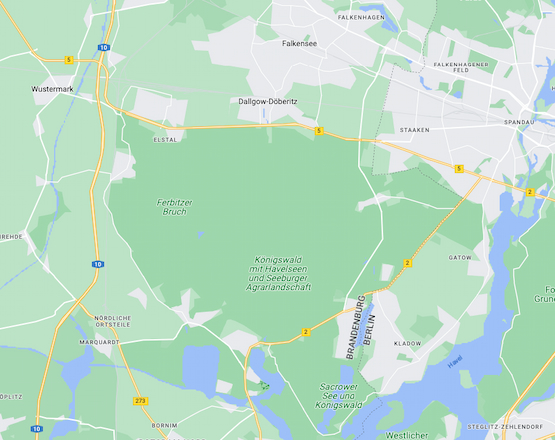
Location
Further Information
Your Personal Contact
Information Office
International Graduate Program Medical Neurosciences
Contact Details:
+49 30 2093 89742
office-medneuro@charite.de
For more information please check the
Course Website