From the fundamentals of the climate system to atmospheric processes and hands-on experimental and applied meteorology, the curriculum provides a comprehensive understanding of how climate and weather systems function, are measured, and are analyzed in real-world contexts. → More Info
2
Dual Methodology — Modeling and Measurement
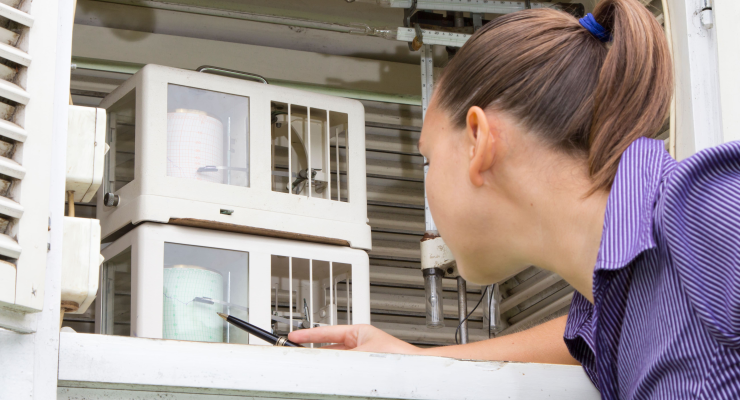
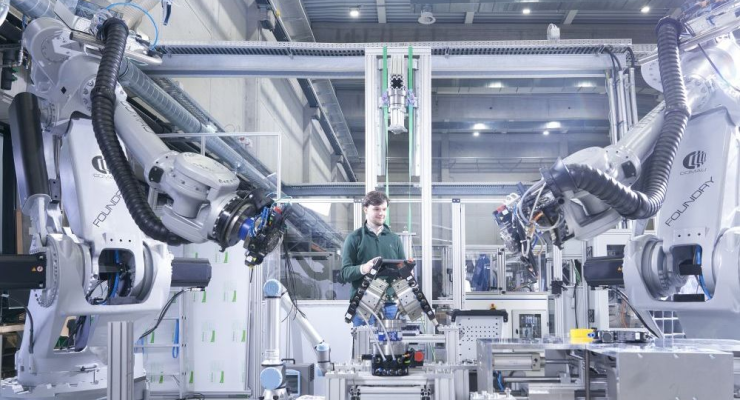
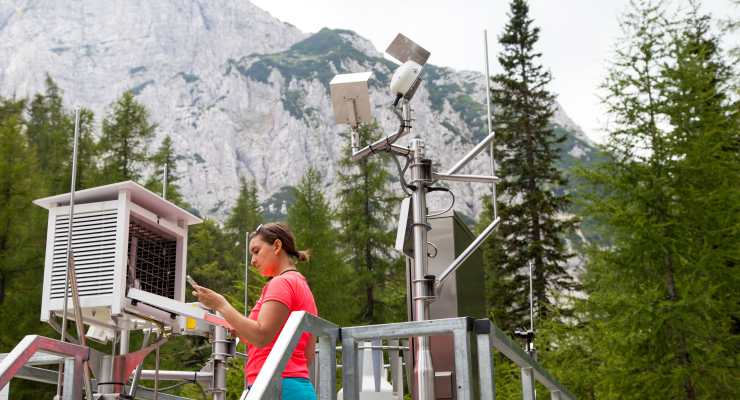
You master both worlds: Python-driven data analysis and numerical weather models alongside experimental field methods — dual expertise that distinguishes you on the job market.
3
Study at a Top 50 European University
Ranked among the top 50 universities in Europe in the QS Ranking, KIT is part of the top 5% of European universities, offering you a degree with strong international recognition. → More Info
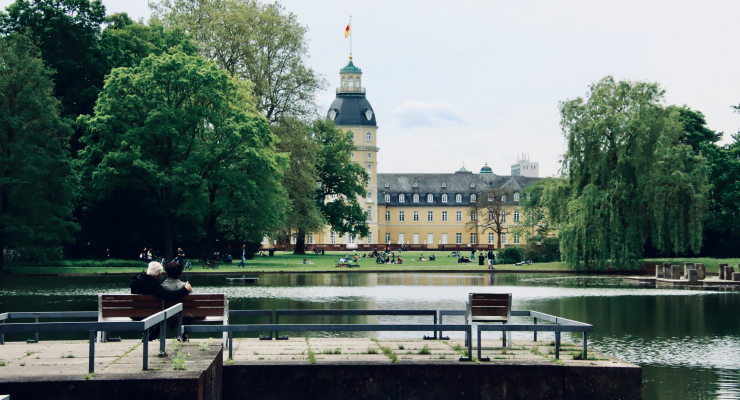
Study on a central campus beside Karlsruhe’s city center and near the city forest, giving you quick access to urban life while keeping green space close for daily balance.
5
Research-Integrated Third Semester
A full semester of structured scientific work (30 ECTS) lets you deepen your specialization and build genuine research maturity well before starting your master's thesis.
6
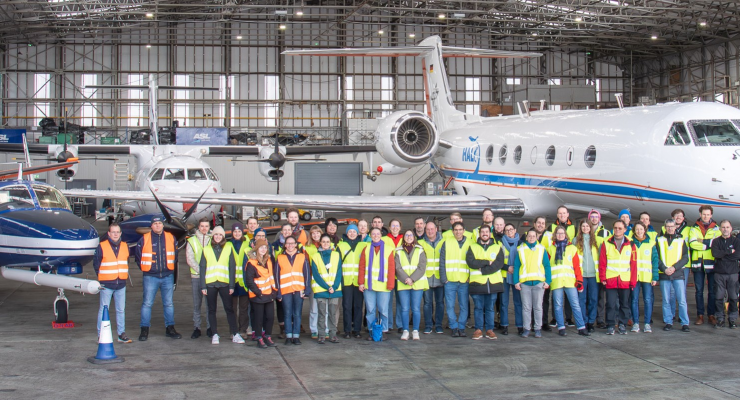
Four Institutes, One Atmospheric Mission
KIT's Institute of Meteorology and Climate Research (IMK) unites four units — from aerosol physics and trace gas research to tropospheric and land-atmosphere processes. → More Info
Where does a thunderstorm begin, and how will our climate look in 2100? At KIT — one of Germany's foremost atmospheric research institutions — you'll tackle exactly these questions. This English-taught master's program covers the full spectrum of meteorology and climate physics, from microphysical cloud processes to large-scale climate dynamics. You'll gain hands-on proficiency in numerical weather prediction models, Python-based data analysis, and experimental field methods — combining rigorous physical theory with the computational skills today's atmospheric scientists need. Research-oriented teaching, small study groups, and direct integration into active research projects mean you're not just learning about science: you're doing it.
Target Groups
Curriculum
Study Mode
Career Prospects
Ideal applicants hold a bachelor's in Meteorology or a related discipline — Physics, Mathematics, or Geosciences — with solid grounding in atmospheric science and quantitative methods. You enjoy working at the crossroads of physical theory, numerical modeling, and field experimentation. The program suits future researchers, climate service specialists, and those targeting careers in energy forecasting, weather-risk assessment, or environmental consulting.
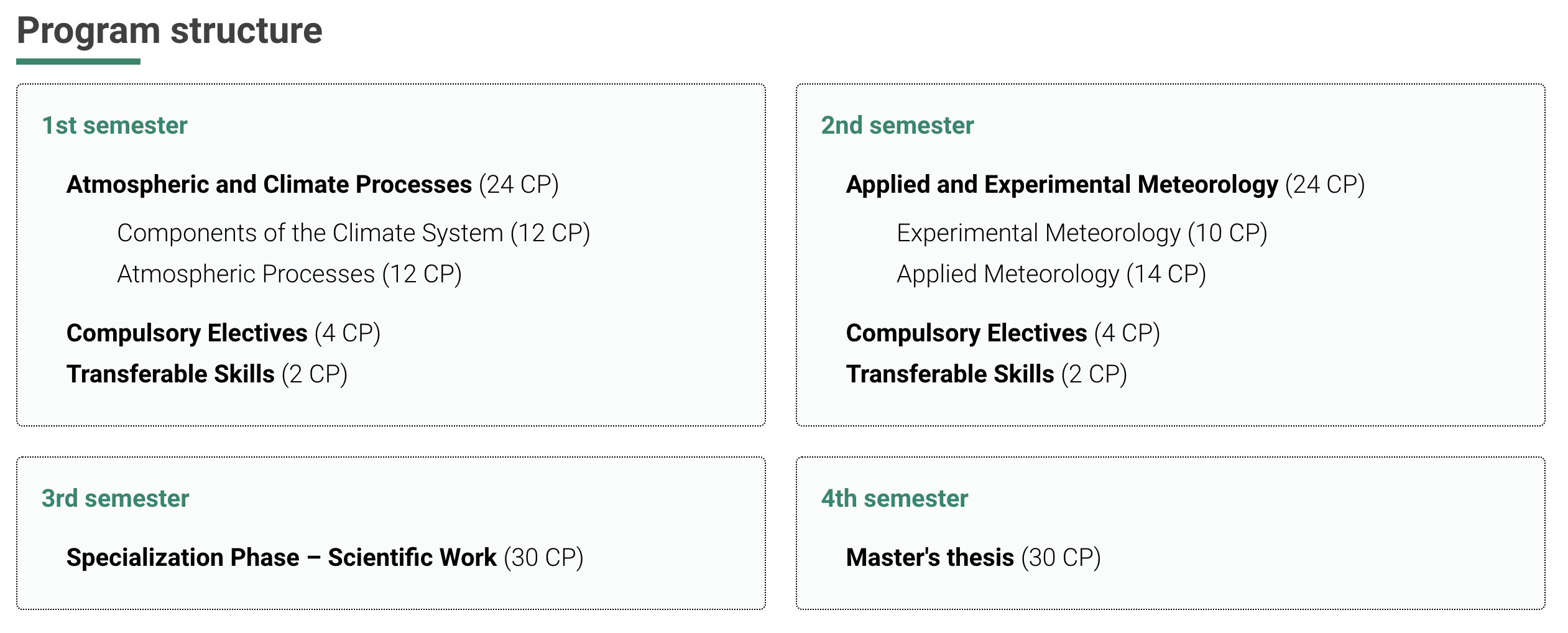
The first two semesters deliver two core pillars: "Atmospheric and Climate Processes" and "Applied and Experimental Meteorology" (24 ECTS each), rounded out by electives from physics, mathematics, geosciences, or computer science, plus transferable skills. Semester three is a dedicated specialization phase (30 ECTS) that builds independent research competence. The degree concludes with a six-month master's thesis (30 ECTS), optionally completed at a company or partner institution.
The Meteorology and Climate Physics M.Sc. is a full-time, on-campus program delivered entirely in English. It spans four semesters (two years) and awards 120 ECTS credits upon completion. Intake is available in both the winter and summer terms, giving you flexibility in when you begin.
A master's degree in Meteorology and Climate Physics from KIT opens doors across a wide range of scientifically demanding fields — wherever understanding the atmosphere is critical to decision-making.
Researcher or PhD candidate at a university or atmospheric research institute
Meteorologist or forecaster at a national weather service (e.g., Germany's DWD) or private weather company
Climate risk analyst in the insurance or reinsurance industry, assessing weather-related hazard exposure
Energy meteorologist providing wind, solar, and storm forecasts for grid operators or renewable energy developers
Climate services specialist designing information platforms and adaptation tools for policymakers
Environmental consultant advising public agencies or corporations on climate impact and resilience strategies
Data scientist / atmospheric modeler applying Python and numerical methods in research-intensive organizations
With a ~1:10 student-to-teacher ratio and cohorts of up to 25 students, you benefit from direct access to professors—often just next door—for guidance and discussion.
Grow Beyond Your Discipline
Through KIT's Lernlabor, Schreiblabor, and Perspektivenlabor, you develop study strategies, scientific writing skills, and career clarity — competences that set graduates apart. → More Info
Learn Directly from Leading Researchers
Courses are taught directly by professors who are actively involved in research, ensuring that you engage with current scientific questions and insights rather than assistant-led instruction.
Flexible Thesis Placement
The master's thesis can be completed at a company or partner institution, letting you earn professional experience and fulfil your degree requirement simultaneously in six months.
Accreditations
System Accreditation
System Accreditation
System accreditation is the internal quality assurance system of a state or state-recognized higher education institution in Germany. With system accreditation, a higher education institution receives the right to award the seal of the Accreditation Council for its self-assessed study programs.
Requirements
Qualification Requirements
The application requirements for the study program in "Meteorology and Climate Phуsiсs" are:
1
Bachelor's (Undergraduate) Degrее
with at least 180 ECTS or a minimum study duration of three years in Meteorology or a related field (e.g. Physics, Mathematics, Geosciences).
Required academic background:
Meteorology and Climate Physics: at least 24 ECTS
Physics: at least 24 ECTS
Mathematics: at least 12 ECTS
If up to 30 ECTS in the required subject areas are missing, admission may still be granted conditionally, requiring the missing credits to be completed by the end of the 2nd semester. The admissions commission decides whether this condition appliеs.
 Live Webinar








 English Language Proficienсу → Language Requirements
 English
 Germany
 Another EU Country
 Rest of the world