Browse Study Programs
20 courses available

Pre- and Protohistoric Archaeology: Programs
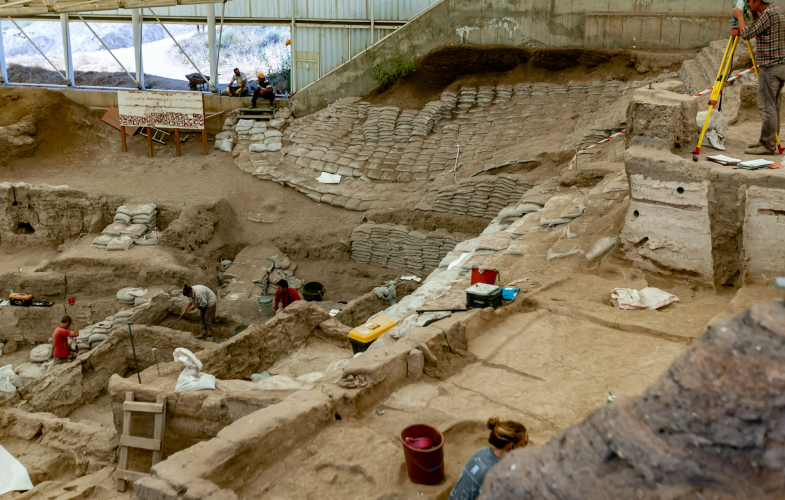
Pre- and Protohistoric Archaeology programs in Germany immerse international students in humanity's deepest past, investigating cultures that left no written words but whose stone tools, burial mounds, and settlement patterns reveal stories spanning from Paleolithic hunter-gatherers to Iron Age warriors on the cusp of recorded history. Germany's archaeological landscape provides an extraordinary timeline of human development: Neanderthal remains from the Neander Valley that named an entire species, spectacularly preserved Bronze Age settlements in Alpine lakes, Celtic oppida demonstrating complex pre-Roman urbanization, and Germanic tribal sites that challenge Roman writers' "barbarian" stereotypes—all accessible for hands-on research within a few hours' travel. These English-taught degrees revolutionize prehistoric archaeology through scientific methods that extract maximum information from minimal remains: isotope analysis revealing ancient diets and migration patterns, DNA sequencing connecting modern Europeans to prehistoric populations, experimental archaeology recreating Bronze Age casting techniques, and magnetometry surveys mapping entire buried settlements without lifting a spade.
Show more...Pre- and Protohistoric Archaeology programs in Germany immerse international students in humanity's deepest past, investigating cultures that left no written words but whose stone tools, burial mounds, and settlement patterns reveal stories spanning from Paleolithic hunter-gatherers to Iron Age warriors on the cusp of recorded history. Germany's archaeological landscape provides an extraordinary timeline of human development: Neanderthal remains from the Neander Valley that named an entire species, spectacularly preserved Bronze Age settlements in Alpine lakes, Celtic oppida demonstrating complex pre-Roman urbanization, and Germanic tribal sites that challenge Roman writers' "barbarian" stereotypes—all accessible for hands-on research within a few hours' travel. These English-taught degrees revolutionize prehistoric archaeology through scientific methods that extract maximum information from minimal remains: isotope analysis revealing ancient diets and migration patterns, DNA sequencing connecting modern Europeans to prehistoric populations, experimental archaeology recreating Bronze Age casting techniques, and magnetometry surveys mapping entire buried settlements without lifting a spade. The practical emphasis means students spend summers excavating actual sites rather than just studying reports—uncovering Mesolithic campsites, documenting Linear Pottery Culture villages representing Europe's first farmers, or investigating hillforts that controlled prehistoric trade routes—while academic terms combine artifact analysis, landscape archaeology theory, and training in illustration techniques that bring ancient lifeways to visual life. Career paths extend beyond academia into cultural resource management firms conducting pre-construction surveys (€45,000+ starting), museums developing prehistoric exhibitions, heritage agencies protecting archaeological landscapes, or even forensic archaeology assisting law enforcement—all supported by Germany's strong legal framework protecting archaeological heritage and requiring professional investigation before development projects disturb potentially significant sites.
Show less Intake
 Language of Instruction
 Numerus Clausus
 Tuition fees

 Germans & EU Students

 Non-EU Students

Browse Study Programs
20 courses available
 Type in your Subject, e.g., Economics

 Which degree?
 Choose degree
 QS Ranking StudyFinder
 UniFinder
 back to top

 Sort by:
 People Also Search Discover More