Study programs
 Universities
 Intakes




Browse Study Programs
2 courses available


Life Science programs in Germany offer international students a multidisciplinary education at the forefront of biological research, medical innovation, and environmental sustainability in a country known for its scientific excellence and strong biotechnology sector. Studying Life Science in Germany means engaging with subjects ranging from molecular biology, genetics, and microbiology to ecology, bioinformatics, and biomedical engineering, often in collaboration with leading institutions like the Max Planck Society, Helmholtz Association, and Fraunhofer Institutes. Students benefit from access to cutting-edge laboratories, advanced imaging technologies, and research projects addressing global challenges such as climate change, infectious diseases, and food security. Many programs, increasingly taught in English, integrate internships with pharmaceutical companies, biotech startups, and environmental agencies, providing practical experience alongside theoretical foundations.
Show more...Life Science programs in Germany offer international students a multidisciplinary education at the forefront of biological research, medical innovation, and environmental sustainability in a country known for its scientific excellence and strong biotechnology sector. Studying Life Science in Germany means engaging with subjects ranging from molecular biology, genetics, and microbiology to ecology, bioinformatics, and biomedical engineering, often in collaboration with leading institutions like the Max Planck Society, Helmholtz Association, and Fraunhofer Institutes. Students benefit from access to cutting-edge laboratories, advanced imaging technologies, and research projects addressing global challenges such as climate change, infectious diseases, and food security. Many programs, increasingly taught in English, integrate internships with pharmaceutical companies, biotech startups, and environmental agencies, providing practical experience alongside theoretical foundations. With Germany investing heavily in life sciences and biotechnology as part of its innovation strategy, graduates find diverse career opportunities in research, healthcare, environmental management, and industrial biotechnology, with competitive starting salaries often ranging from €45,000 to €55,000. Combined with affordable tuition, internationally recognized degrees, and an 18-month post-study work permit, Germany offers the ideal environment for aspiring life scientists to advance knowledge and develop solutions that improve health, protect ecosystems, and drive sustainable development worldwide.
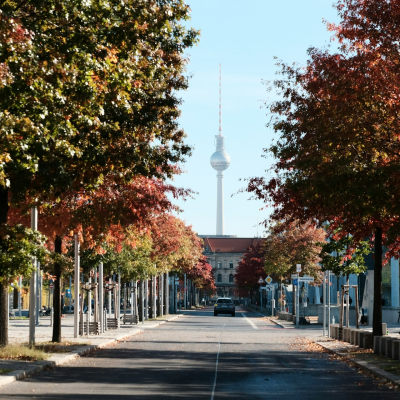
Show lessLife Science in Berlin
Browse Study Programs
2 courses available
 Type in your Subject, e.g., Economics

 Which degree?
 Choose degree
 German Students
 Other EU Students
 Non-EU Students German Students German Students Other EU Students
 Non-EU Students Non-EU Students
| Admission-restricted courses | Admission-free courses | |
|---|---|---|
| Master | No courses | 30 September |
| Bachelor | 30 June | No courses |
 Specific courses may have different application deadlines. Please always double-check the information individually. StudyFinder
 UniFinder
 back to top

 Sort by:
 You May Also Like