



Browse Study Programs
413 courses available
 Live Webinar "Study Digital Business Management [Webinar in German]""Study Business Administration" - Starts in
Macromolecular Chemistry in Dortmund
 08 October 2026, 04:00 PM (Europe/Berlin)
With speakers from...

University of Göttingen

TU Dortmund University
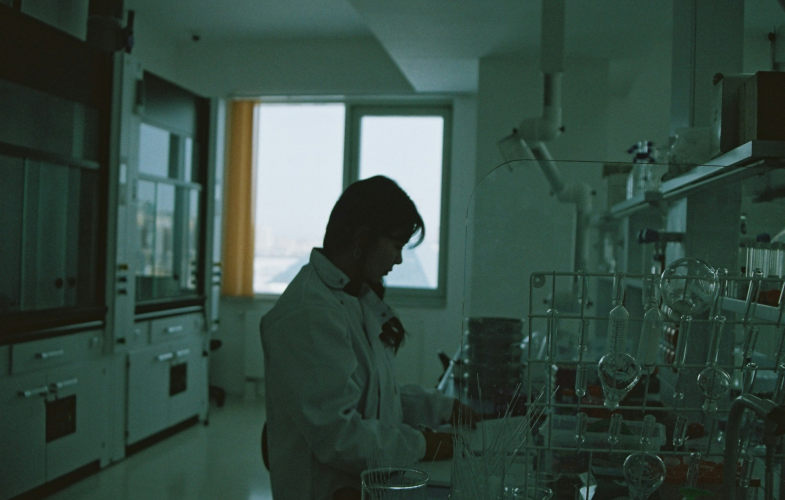
Studying Macromolecular Chemistry in Germany is an excellent choice because the country is a global leader in polymer research, materials science, and industrial innovation. You’ll explore the design and development of advanced plastics, biomaterials, and functional polymers used in industries like automotive, healthcare, electronics, and sustainable packaging. With strong research institutes, modern laboratories, and close collaboration with world-class chemical companies, Germany offers an ideal environment to gain practical experience and build a successful career in materials development, R&D, and industrial chemistry.
 Related subjects
  Study programs
  English-taught programs
  Universities Intakes
  Full Subject Profile
 Browse Study Programs
413 courses available
 Type in your Subject, e.g., Economics
 Which degree?
 Choose degree
 German Students
  Other EU Students
  Non-EU Students German Students German Students Other EU Students
  Non-EU Students Non-EU Students
| Admission-restricted courses | Admission-free courses | |
|---|---|---|
| Master | No courses | 15 July |
 Specific courses may have different application deadlines. Please always double-check the information individually.


 StudyFinder
  UniFinder

 2 filter options selected
  Sort by:
Macromolecular Chemistry in Dortmund
08 October 2026, 04:00 PM (Europe/Berlin)
With speakers from...
University of Göttingen
TU Dortmund University