Study programs
 Universities
 Intakes




Browse Study Programs
2 courses available
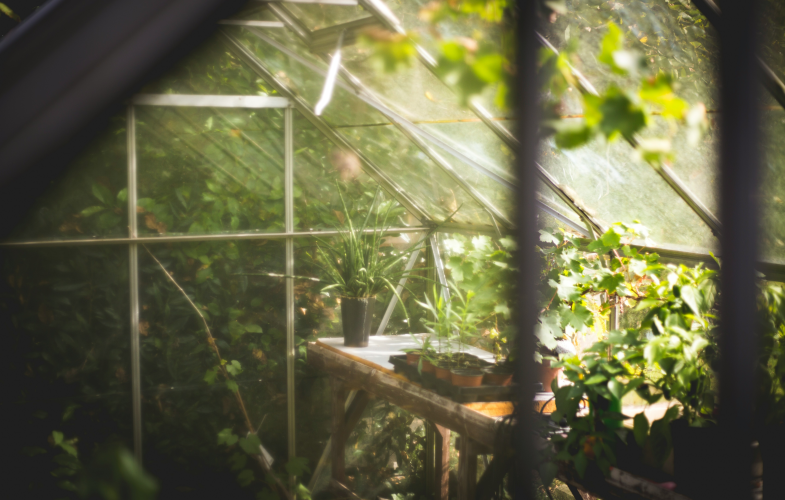

Germany is an excellent destination for international students pursuing horticulture. The country offers exceptional programs where centuries of gardening tradition meet cutting-edge, sustainable cultivation technologies. These programs are available at renowned institutions such as the University of Hohenheim and Humboldt University Berlin's Horticultural Sciences program. Students can also attend specialized Fachhochschulen in Geisenheim, Erfurt, and Osnabrück.
Show more...Germany is an excellent destination for international students pursuing horticulture. The country offers exceptional programs where centuries of gardening tradition meet cutting-edge, sustainable cultivation technologies. These programs are available at renowned institutions such as the University of Hohenheim and Humboldt University Berlin's Horticultural Sciences program. Students can also attend specialized Fachhochschulen in Geisenheim, Erfurt, and Osnabrück. Germany's horticultural industry is worth €20 billion and includes world-famous botanical gardens and innovative vertical farming systems that transform urban landscapes. Students gain hands-on experience in experimental greenhouses, research gardens, climate chambers, and tissue culture laboratories while working with cutting-edge technologies, including automated irrigation systems, LED grow lights optimized for photomorphogenesis, precision fertilization, and drone-based crop monitoring, which define the digital transformation of modern horticulture. Rigorous curricula seamlessly integrate plant biology, soil science, propagation techniques, and pest management with practical applications in ornamental production, fruit and vegetable cultivation, landscape design, and controlled environment agriculture. Germany's leadership in sustainable horticulture, from pioneering organic cultivation methods to developing climate-resilient plant varieties and ambitious urban greening initiatives like Berlin's "Sponge City" concept and Munich's rooftop agriculture programs, creates exceptional internship and research collaboration opportunities with botanical gardens like Berlin-Dahlem; commercial nurseries that produce three billion ornamental plants annually; landscape architecture firms that design therapeutic gardens; urban farming startups; and research institutes like the Leibniz Institute of Vegetable and Ornamental Crops, which advances plant breeding and protection strategies. These programs, which are increasingly offered with English components, emphasize traditional horticultural craftsmanship and scientific innovation that addresses climate adaptation, biodiversity conservation, and food security. They cover specialized areas, such as medicinal plant cultivation and historic garden restoration. Graduates are prepared for diverse careers with competitive starting salaries of €38,000–€48,000. They can work as landscape designers, greenhouse managers, urban agriculture coordinators, plant breeding technicians, botanical garden curators, or horticultural consultants. These careers are in sectors ranging from municipal green space management to biotechnology companies that develop plant-based solutions. Germany offers a powerful combination: affordable, world-class education; access to diverse climatic zones, from Alpine gardens to Rhine Valley fruit production; environmental consciousness, which drives demand for green infrastructure; strong vocational training traditions through dual education systems; participation in EU research programs on sustainable intensification; and extensive botanical collections that serve as living libraries. , a thriving allotment garden culture that provides community engagement opportunities, and a generous 18-month post-study work permit, Germany stands out as the optimal training ground for ambitious horticulturists who are ready to cultivate beauty and productivity, advance sustainable growing practices, and create green spaces that enhance human well-being while supporting biodiversity in our increasingly urbanized world.
Show lessHorticultural Sciences in Dresden
Browse Study Programs
2 courses available
 Type in your Subject, e.g., Economics

 Which degree?
 Choose degree
 German Students
 Other EU Students
 Non-EU Students German Students German Students Other EU Students
 Non-EU Students Non-EU Students
| Admission-restricted courses | Admission-free courses | |
|---|---|---|
| Master | No courses | 15 June |
| Bachelor | 15 June | No courses |
 Specific courses may have different application deadlines. Please always double-check the information individually. StudyFinder
 UniFinder

 Sort by: