Study programs
 Universities
 Intakes




Browse Study Programs
2 courses available
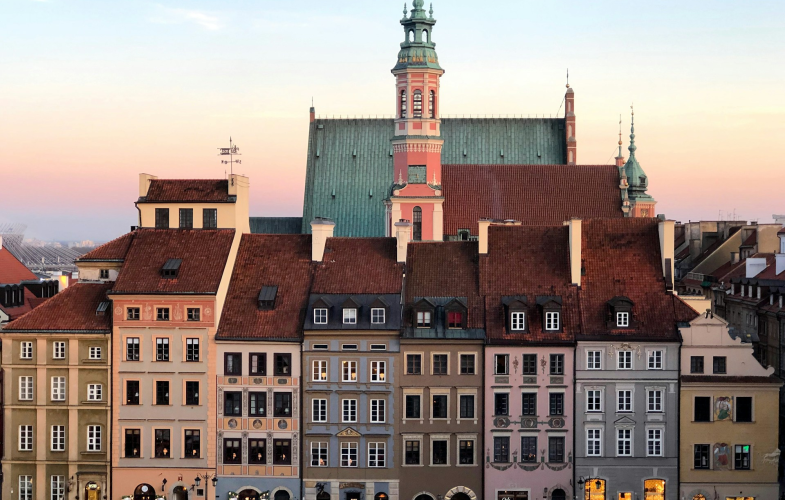
Polish Studies programs in Germany position international students at the crossroads of Central European history, culture, and politics, studying in a country that shares a 467-kilometer border with Poland and hosts Europe’s largest Polish diaspora, making it an ideal place to explore the deep ties between two nations once divided by partitions and war but now closely connected as EU neighbors and trading partners worth €123 billion annually. These English-taught degrees go far beyond language learning, immersing students in Poland’s cultural and historical richness: from analyzing how Chopin and Mickiewicz shaped European Romanticism, to examining Solidarity’s pivotal role in communism’s collapse, to exploring contemporary cinema from Kieślowski to Pawlikowski that has earned global acclaim. Students also study migration flows that brought nearly 2 million Poles to Germany and investigate Poland’s transformation from post-communist transition to its reputation as Europe’s economic “tiger.” Germany’s unique position offers unparalleled resources, including extensive archives on German-Polish relations, vibrant Polish communities from Berlin to the Ruhr Valley, cross-border university partnerships enabling exchanges in Kraków or Warsaw, cultural centers promoting Polish arts, and businesses eager for Polish-speaking professionals to strengthen bilateral trade. The interdisciplinary curriculum combines intensive language training to professional proficiency with literature seminars reading Szymborska in the original, history courses spanning partitions to EU integration, political analysis of democratic backsliding, and practical skills in translation, intercultural communication, and regional expertise.
Show more...Polish Studies programs in Germany position international students at the crossroads of Central European history, culture, and politics, studying in a country that shares a 467-kilometer border with Poland and hosts Europe’s largest Polish diaspora, making it an ideal place to explore the deep ties between two nations once divided by partitions and war but now closely connected as EU neighbors and trading partners worth €123 billion annually. These English-taught degrees go far beyond language learning, immersing students in Poland’s cultural and historical richness: from analyzing how Chopin and Mickiewicz shaped European Romanticism, to examining Solidarity’s pivotal role in communism’s collapse, to exploring contemporary cinema from Kieślowski to Pawlikowski that has earned global acclaim. Students also study migration flows that brought nearly 2 million Poles to Germany and investigate Poland’s transformation from post-communist transition to its reputation as Europe’s economic “tiger.” Germany’s unique position offers unparalleled resources, including extensive archives on German-Polish relations, vibrant Polish communities from Berlin to the Ruhr Valley, cross-border university partnerships enabling exchanges in Kraków or Warsaw, cultural centers promoting Polish arts, and businesses eager for Polish-speaking professionals to strengthen bilateral trade. The interdisciplinary curriculum combines intensive language training to professional proficiency with literature seminars reading Szymborska in the original, history courses spanning partitions to EU integration, political analysis of democratic backsliding, and practical skills in translation, intercultural communication, and regional expertise. Graduates enter a growing job market with starting salaries of €48,000+, pursuing careers in German companies operating in Poland, EU institutions managing regional development funds, cultural and reconciliation organizations, journalism on Central European affairs, and consulting firms advising on Polish market entry. With Germany’s long academic tradition in Slavic studies, nearly free education, commitment to European integration, and post-study work opportunities, international students find ideal conditions to become specialists bridging nations once divided by history but now central to shaping Europe’s shared future.
Show lessPolish Studies in Greifswald
Browse Study Programs
2 courses available
 Type in your Subject, e.g., Economics

 Which degree?
 Choose degree
 German Students
 Other EU Students
 Non-EU Students German Students German Students Other EU Students
 Non-EU Students Non-EU Students
| Admission-restricted courses | Admission-free courses | |
|---|---|---|
| State Examination | No courses | 15 July |
 Specific courses may have different application deadlines. Please always double-check the information individually. StudyFinder
 UniFinder

 Sort by: