Study programs
 Universities
 Intakes




Browse Study Programs
2 courses available


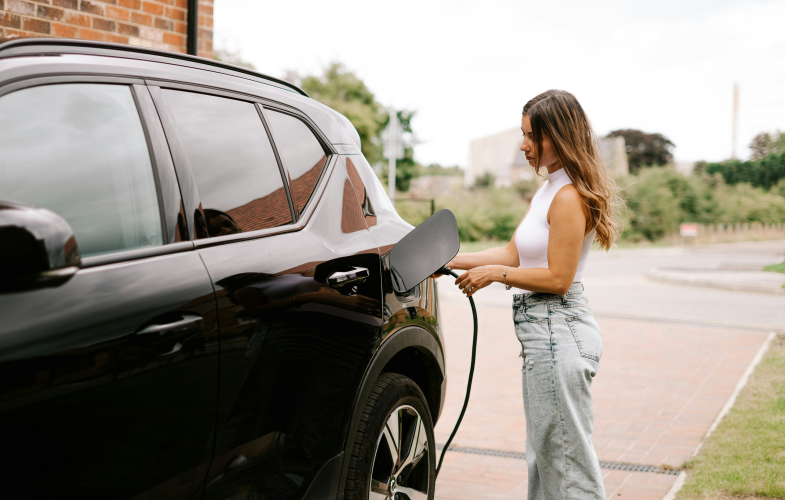
Germany's electromobility programmes put international students at the forefront of the global automotive revolution in the country where the automobile was invented and is now being reinvented for a post-combustion future. While Volkswagen is moving on from the Dieselgate scandal to focus on its ID series, BMW is modernising its Bavarian factories for its i-models and Mercedes-Benz is committed to becoming an electric-only manufacturer by 2030. Students therefore have direct access to an industry undergoing historic transformation. These state-of-the-art, English-taught degree programmes cover the full spectrum of electromobility.
Show more...Germany's electromobility programmes put international students at the forefront of the global automotive revolution in the country where the automobile was invented and is now being reinvented for a post-combustion future. While Volkswagen is moving on from the Dieselgate scandal to focus on its ID series, BMW is modernising its Bavarian factories for its i-models and Mercedes-Benz is committed to becoming an electric-only manufacturer by 2030. Students therefore have direct access to an industry undergoing historic transformation. These state-of-the-art, English-taught degree programmes cover the full spectrum of electromobility. Students can specialise in designing advanced battery management systems to prevent thermal runaway, optimising electric motor efficiency, developing robust charging infrastructure and assessing the impact on the grid when millions of vehicles plug in simultaneously. They will also master Germany’s systematic engineering approach for safety-critical high-voltage systems. With backing from over €40 billion in national investment, the programmes provide unparalleled practical training through collaborations with OEMs competing with Tesla, Tier-1 suppliers developing next-generation power electronics, gigafactories increasing battery production, charging network operators establishing global standards and start-ups pioneering innovations such as solid-state batteries and wireless charging. The interdisciplinary curricula reflect the complexity of the field, integrating subjects such as electrochemistry to understand lithium-ion degradation, power electronics for 800-volt architectures, thermal management to prevent fires, embedded software for over-the-air updates, and lifecycle assessments to prove the sustainability advantage of EVs. In a context where Germany is facing an acute shortage of talent in electromobility, graduates can expect competitive starting salaries of €70,000+ and step into roles at automotive R&D centres, where they will be designing the next generation of platforms; at battery companies, where they will be pushing the limits of energy density; at infrastructure providers, where they will be scaling up charging networks; at consulting firms, where they will be guiding OEM transitions; and at disruptive start-ups, where they will be innovating swappable battery solutions. With affordable or tuition-free technical education, an unmatched automotive heritage, ambitious decarbonisation goals and a generous 18-month post-study work visa, Germany offers international students ideal conditions in which to help drive the electric transformation and enter the next chapter of Vorsprung durch Technik.
Show lessElectromobility in Munich
Browse Study Programs
2 courses available
 Type in your Subject, e.g., Economics

 Which degree?
 Choose degree
 German Students
 Other EU Students
 Non-EU Students German Students German Students Other EU Students
 Non-EU Students Non-EU Students
| Admission-restricted courses | Admission-free courses | |
|---|---|---|
| Bachelor | 31 May | No deadlines (apply anytime) |
 Specific courses may have different application deadlines. Please always double-check the information individually. StudyFinder
 UniFinder

 Sort by: