Study programs
 Universities
 Intakes




Browse Study Programs
3 courses available
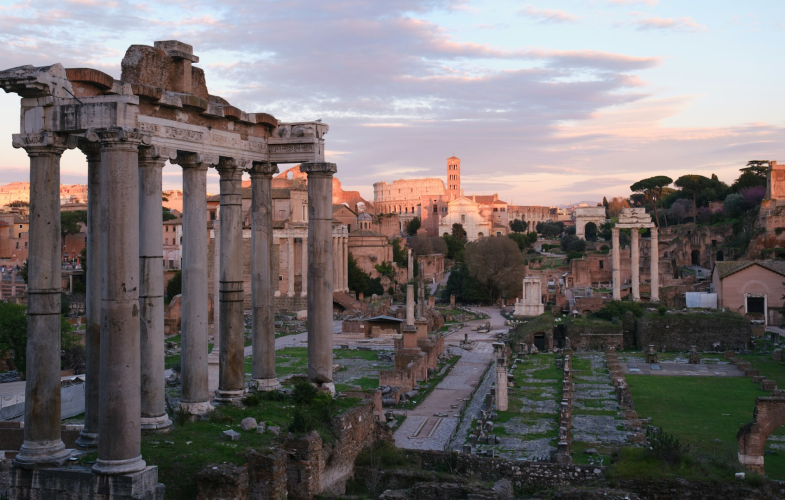
Germany’s Prehistory programs immerse international students in the study of humanity’s 600,000-year story before written records, offering direct access to some of Europe’s most significant archaeological sites and discoveries. Students investigate remains such as Homo heidelbergensis fossils at Mauer, 40,000-year-old Venus figurines from Swabian caves, Neolithic lake dwellings preserved in Alpine regions, and the Celtic oppida that reveal complex Iron Age societies, while exploring battlefield archaeology at the Tollense Valley, Europe’s oldest known site of organized conflict. These English-taught degrees combine traditional archaeological training with cutting-edge scientific methods including DNA extraction from Neanderthal remains, isotope analysis to trace migration and diet, magnetometry for mapping buried settlements, and climate reconstruction to understand human adaptation. With access to world-class laboratories, museum collections housing millions of objects, and active excavation projects, students gain extensive hands-on experience through fieldwork and research placements, often participating in summer digs and collaborating with German institutions whose archaeological methodologies have shaped global standards.
Show more...Germany’s Prehistory programs immerse international students in the study of humanity’s 600,000-year story before written records, offering direct access to some of Europe’s most significant archaeological sites and discoveries. Students investigate remains such as Homo heidelbergensis fossils at Mauer, 40,000-year-old Venus figurines from Swabian caves, Neolithic lake dwellings preserved in Alpine regions, and the Celtic oppida that reveal complex Iron Age societies, while exploring battlefield archaeology at the Tollense Valley, Europe’s oldest known site of organized conflict. These English-taught degrees combine traditional archaeological training with cutting-edge scientific methods including DNA extraction from Neanderthal remains, isotope analysis to trace migration and diet, magnetometry for mapping buried settlements, and climate reconstruction to understand human adaptation. With access to world-class laboratories, museum collections housing millions of objects, and active excavation projects, students gain extensive hands-on experience through fieldwork and research placements, often participating in summer digs and collaborating with German institutions whose archaeological methodologies have shaped global standards. Graduates are well-prepared for careers as archaeological project managers conducting pre-construction surveys, museum curators developing prehistoric exhibitions, heritage consultants safeguarding cultural sites, forensic archaeologists applying prehistoric methods to modern investigations, or researchers at leading institutions such as the Römisch-Germanisches Zentralmuseum. With starting salaries around €45,000, strong cultural heritage protection laws, affordable or tuition-free education, and Germany’s 18-month post-study work visa, these programs provide international students with ideal conditions to build impactful careers uncovering and interpreting humanity’s earliest chapters through scientific exploration of the deep past.
Show lessPrehistory in Rostock
Browse Study Programs
3 courses available
 Type in your Subject, e.g., Economics

 Which degree?
 Choose degree
 German Students
 Other EU Students
 Non-EU Students German Students German Students Other EU Students
 Non-EU Students Non-EU Students
| Admission-restricted courses | Admission-free courses | |
|---|---|---|
| Master | No courses | 15 July |
| Bachelor | No courses | 15 July |
 Specific courses may have different application deadlines. Please always double-check the information individually. StudyFinder
 UniFinder

 Sort by: