Study programs
 Universities
 Intakes




Browse Study Programs
8 courses available
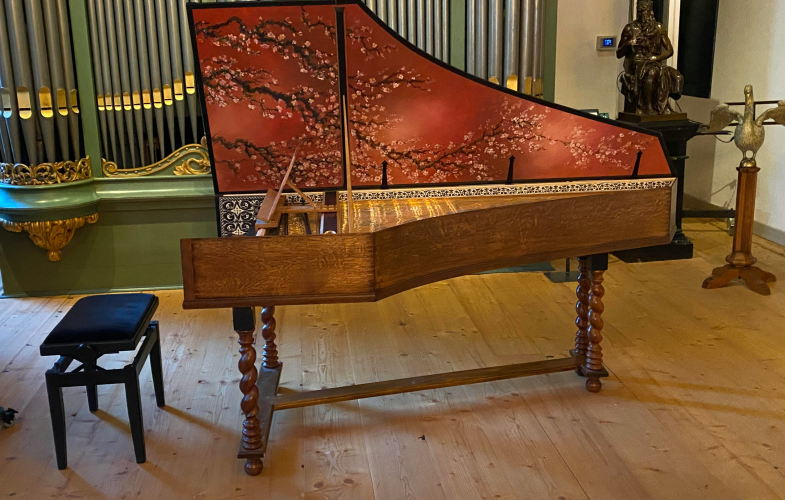

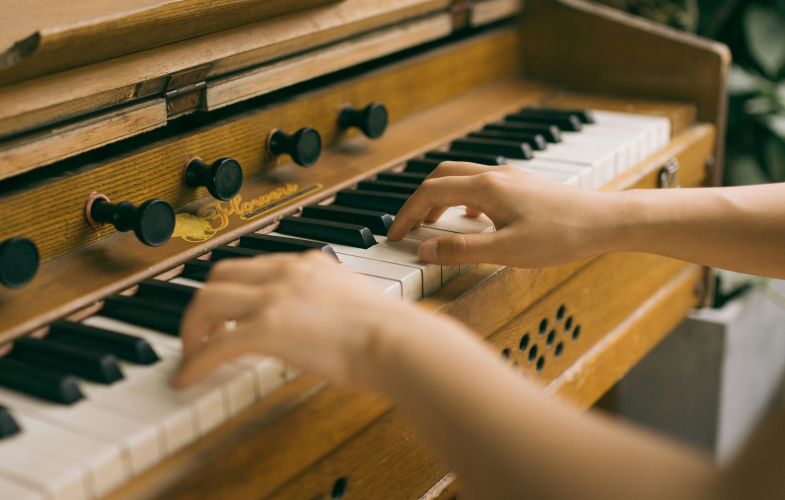
Harpsichord programs in Germany offer international students the rare chance to immerse themselves in the golden age of Baroque music, studying the instrument for which Bach, Handel, and Telemann composed—often in the very cities where these masters lived and worked. In a country with an unrivaled early music scene, students develop both historical authenticity and modern artistic expression. These programs emphasize skills unique to the harpsichord: voicing and maintaining instruments, mastering ornamentation styles across European traditions, improvising continuo from figured bass, and performing repertoire from Renaissance dances to avant-garde works for historical instruments. Germany’s exceptional infrastructure supports this training, with playable historical instruments in museums, acoustically rich baroque churches, opera houses staging period productions, and festivals such as Bachfest Leipzig and the Göttingen Handel Festival.
Show more...Harpsichord programs in Germany offer international students the rare chance to immerse themselves in the golden age of Baroque music, studying the instrument for which Bach, Handel, and Telemann composed—often in the very cities where these masters lived and worked. In a country with an unrivaled early music scene, students develop both historical authenticity and modern artistic expression. These programs emphasize skills unique to the harpsichord: voicing and maintaining instruments, mastering ornamentation styles across European traditions, improvising continuo from figured bass, and performing repertoire from Renaissance dances to avant-garde works for historical instruments. Germany’s exceptional infrastructure supports this training, with playable historical instruments in museums, acoustically rich baroque churches, opera houses staging period productions, and festivals such as Bachfest Leipzig and the Göttingen Handel Festival. Curricula balance solo performance with chamber and ensemble work, incorporating historical improvisation, performance practice, and musicological research. Graduates are prepared for careers in baroque orchestras, chamber ensembles, opera companies, and conservatories, often earning salaries of €42,000 or more. With nearly tuition-free education, unparalleled access to historic instruments, and thriving early music culture, Germany provides international students with an ideal environment to continue the harpsichord’s renaissance and shape its future in both performance and scholarship.
Show less Related subjects
Harpsichord in Weimar
Browse Study Programs
8 courses available
 Type in your Subject, e.g., Economics

 Which degree?
 Choose degree
 German Students
 Other EU Students
 Non-EU Students German Students German Students Other EU Students
 Non-EU Students Non-EU Students
| Admission-restricted courses | Admission-free courses | |
|---|---|---|
| Master | No courses | 16 March |
| Bachelor | No courses | 16 March |
| Other | No courses | 16 March |
 Specific courses may have different application deadlines. Please always double-check the information individually. StudyFinder
 UniFinder
 back to top

 Sort by: