

Computational Methods and Machine Learning in Enginееring

(Starting: Winter Semester)
- Starting
- Winter Semester
- Mode of Admission:
- no admission restriction, but ability test (Online preliminary assessment test)
- Study Mode:
- On campus
Five Reasons to choose this Master's Program




Course Description
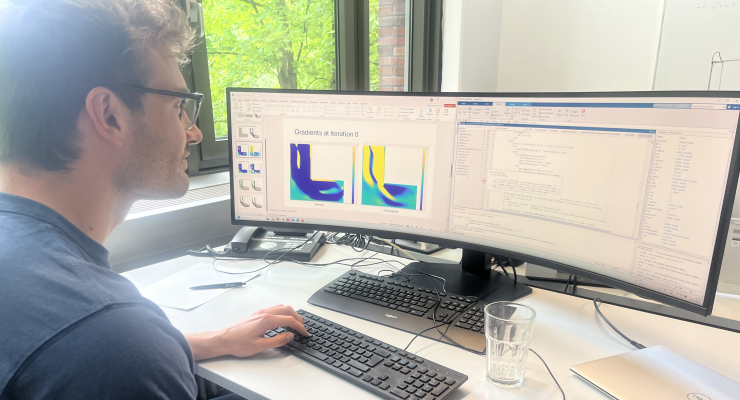
The Master’s program in Computational Methods and Machine Learning in Engineering at TU Hamburg equips students to solve complex problems at the intersection of engineering, computer science, and applied mathematics. By mastering numerical simulation, algorithm design, and high-performance computing, students learn to model, analyze, and optimize physical systems across diverse industries such as aerospace, energy, automotive, and biomedical engineering. The program combines strong theoretical foundations with practical application through programming, enabling graduates to innovate through virtual simulations that reduce costs, accelerate development, and drive safer engineering solutions worldwide.
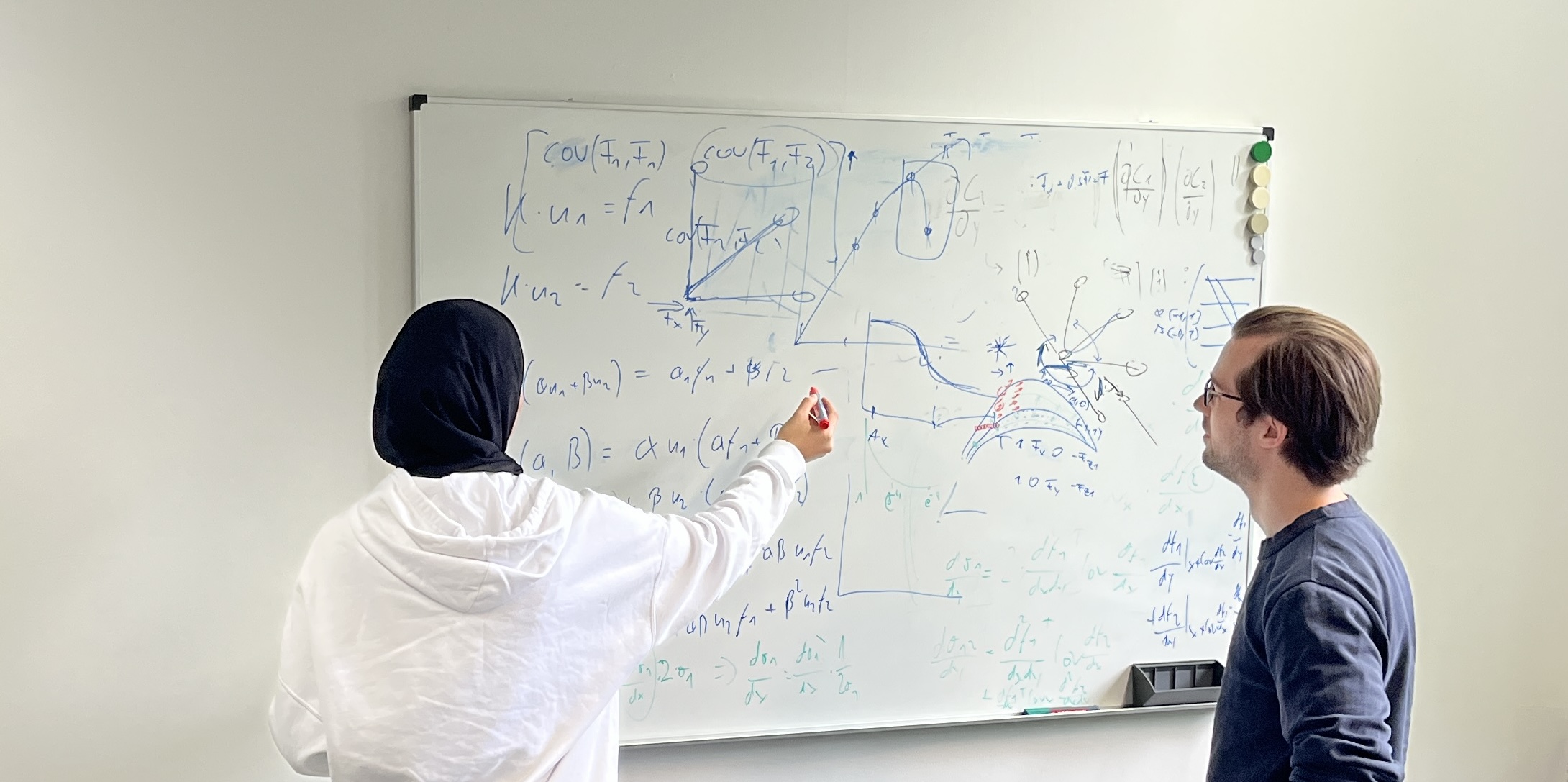
Designed for graduates with a solid background in engineering, mechanics, or applied mathematics and basic programming skills, this course suits students curious about numerical simulations, eager to combine theory with computational practice, and motivated to apply machine learning to solve complex engineering problems.
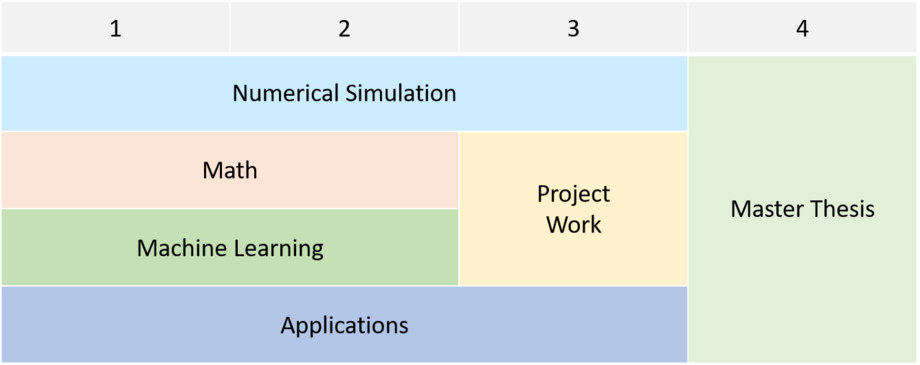
The curriculum blends advanced mathematics, machine learning, and engineering applications. Students explore numerical simulation, finite element methods, and high-performance computing while gaining expertise in probabilistic and applied machine learning. Application modules allow specialization in areas such as aerospace, mobility, energy, or biomedical systems. This structure ensures a balance between theoretical rigor and practical, research-driven projects.

Graduates are well prepared for diverse professional roles in industry, research, and development. Potential career paths include:
Simulation Engineer in aerospace, automotive, or civil engineering
Computational Fluid Dynamics (CFD) Engineer
Structural Analyst for advanced materials and systems
Machine Learning Engineer for engineering applications
High-Performance Computing Specialist
Research Scientist in academia or applied research institutions
Software Developer for engineering and scientific tools
Special Program Features
Shaping the Future of Engineering Through Computational Innovation
Meet the growing demand for simulation-based engineering and AI-driven analysis. Numerical modeling and machine learning prepare you to shape aerospace, energy, and biomedicine.
Programming, Simulation, and Practical Expertise
Build a foundation in advanced mathematics and algorithms, then apply it to industry-relevant engineering projects. With programming at its core, you excel in theory and practice.
Studying and Thriving in a Global Environment
Taught entirely in English, the program attracts students worldwide and fosters cross-cultural collaboration. Exams in English or German keep it accessible for every student.
Webinars with MyGermanUniversity
Upcoming webinars

24 November 2026, 04:00 PM (Europe/Berlin)
Hamburg University of Technology
 M.Sc. Computational Methods and Machine Learning in Enginееring
Requirements
Qualification Requirements
The application requirements for the study program in "Computational Methods and Machine Learning in Enginееring" are:
from a recognized university in a relevant subject matching the respective Master's program at TUHH, along with a very good previous academic performance, is required for admission to the international Master's degree courses at TUHН.
The online preliminary assessment test (pre-check) is open from December 1 to March 1. Upon passing the pre-check, you will receive a code to submit your application for the program. The information you provide during the pre-check allows us to verify whether you meet the program-specific and language requiremеnts.
 English Language Proficienсу → Language Requirements
at least C1 (CΕFR)
Language Requirements
The following certificates are recognized as proof of your language proficiency.
 English
Specification: The TUHH institution code is 8165, a department code is not required. The TOEFL ITP or the TOEFL Essentials Test will not be accepted!
Application & Admission
Application Deadlines
 German Students
 Other EU Students
 Non-EU Students Non-EU Students
| Intake | Winter Semester |
| Application deadline | 01 Februaryin 80 days |
| Application mode | Directly at university |
German Students
| Intake | Winter Semester |
| Application deadline | 01 Februaryin 80 days |
| Application mode | Directly at university |
Other EU Students
| Intake | Winter Semester |
| Application deadline | 01 Februaryin 80 days |
| Application mode | Directly at university |
Application Procedure & Selection
Application Documents
Applies only to applicants whose native language is not English and who have not earned their degree from an institution where English is the language of instructiοn.
of the lectures you attended during your previous studiеs
Applies to all applicants with a school or university degree from China, India or Vietnam, regardless of their nationality, have to submit an APS certificate with their application. Applicants who hold a scholarship from DAAD, another recognized German scholarship organization or an EU-funded scholarship might be exempted from this requiremеnt.
Location
Further Information
Your Personal Contact
Prof. Dr.-Ing. Benedikt Kriegesmann
Academic program coordinator
Contact Details:
+49 40 42878 4857
[email protected]
For more information please check the
Course Website