Browse Study Programs
5 courses available

Applied Chemistry - Dual Studies in Germany
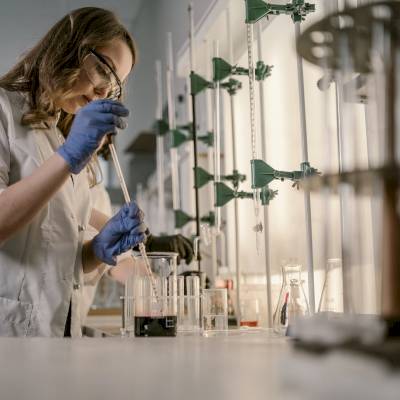
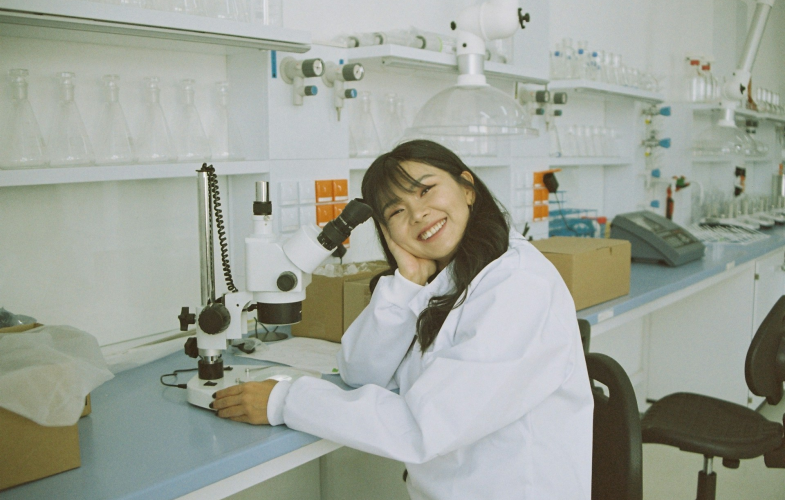
Dual studies in Applied Chemistry combine rigorous academic training in organic and inorganic chemistry, analytical methods, physical chemistry, and materials science with paid practical experience in industrial laboratories, pharmaceutical companies, chemical manufacturers, or research and development facilities — immersing you in real chemical environments from the very beginning of your studies rather than encountering them only after years of purely theoretical preparation. You'll develop deep laboratory fluency alongside conceptual understanding, learning to design and conduct experiments, interpret analytical data, optimize chemical processes, and work within the safety and quality frameworks that professional chemistry demands — building the kind of bench competence and scientific judgment that can only come from sustained exposure to real materials, real instruments, and real problems that don't always behave the way textbooks suggest they should. Germany's exceptional strength in the chemical industry — home to global players like BASF, Bayer, Evonik, and Merck, alongside a dense network of specialty chemical firms, pharmaceutical manufacturers, and publicly funded research institutions — creates an environment where dual chemistry students gain practical experience inside some of the world's most technically sophisticated chemical operations, with placement opportunities that span an unusually broad range of sectors and application areas.
Show more...Dual studies in Applied Chemistry combine rigorous academic training in organic and inorganic chemistry, analytical methods, physical chemistry, and materials science with paid practical experience in industrial laboratories, pharmaceutical companies, chemical manufacturers, or research and development facilities — immersing you in real chemical environments from the very beginning of your studies rather than encountering them only after years of purely theoretical preparation. You'll develop deep laboratory fluency alongside conceptual understanding, learning to design and conduct experiments, interpret analytical data, optimize chemical processes, and work within the safety and quality frameworks that professional chemistry demands — building the kind of bench competence and scientific judgment that can only come from sustained exposure to real materials, real instruments, and real problems that don't always behave the way textbooks suggest they should. Germany's exceptional strength in the chemical industry — home to global players like BASF, Bayer, Evonik, and Merck, alongside a dense network of specialty chemical firms, pharmaceutical manufacturers, and publicly funded research institutions — creates an environment where dual chemistry students gain practical experience inside some of the world's most technically sophisticated chemical operations, with placement opportunities that span an unusually broad range of sectors and application areas. Graduates are well-positioned for careers in industrial chemistry, pharmaceutical development, materials research, quality assurance, process engineering, and analytical services — in a field where the combination of genuine laboratory expertise and strong scientific foundations remains one of the most reliable and versatile professional assets a chemist can bring to an industry that underpins virtually every sector of the modern economy.
Show lessBrowse Study Programs
5 courses available
 Type in your Subject, e.g., Economics

 Which degree?
 Choose degree
 German Students
 Other EU Students
 Non-EU Students German Students German Students Other EU Students
 Non-EU Students Non-EU Students
 Specific courses may have different application deadlines. Please always double-check the information individually. StudyFinder
 UniFinder
 back to top

 Sort by:
 You May Also Like Discover More







 See them all