See them all


Browse Study Programs
0 courses available
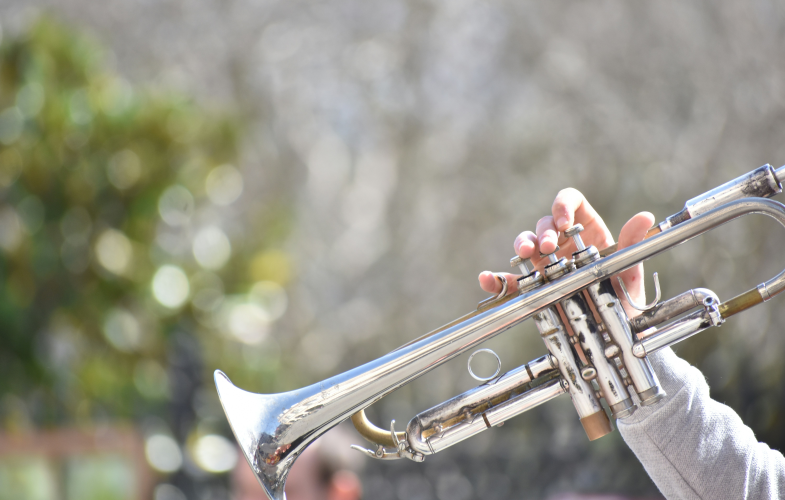
Brass NC
Germany’s Brass programs place international students at the center of one of the world’s richest musical traditions, in a country that has produced legendary brass repertoire from Bach’s Brandenburg Concertos to Wagner’s heroic horn calls. With more than 130 professional orchestras—more than any other nation—Germany offers unmatched opportunities for trumpet, trombone, horn, tuba, and historical brass players to refine their craft. Elite conservatories such as Berlin’s Hochschule für Musik “Hanns Eisler,” Munich’s Hochschule für Musik und Theater, and Leipzig’s Felix Mendelssohn Bartholdy Conservatory provide rigorous daily training under the guidance of principal players from top ensembles like the Berlin Philharmonic, Bavarian Radio Symphony, and Gewandhaus Orchestra.
Show more...Germany’s Brass programs place international students at the center of one of the world’s richest musical traditions, in a country that has produced legendary brass repertoire from Bach’s Brandenburg Concertos to Wagner’s heroic horn calls. With more than 130 professional orchestras—more than any other nation—Germany offers unmatched opportunities for trumpet, trombone, horn, tuba, and historical brass players to refine their craft. Elite conservatories such as Berlin’s Hochschule für Musik “Hanns Eisler,” Munich’s Hochschule für Musik und Theater, and Leipzig’s Felix Mendelssohn Bartholdy Conservatory provide rigorous daily training under the guidance of principal players from top ensembles like the Berlin Philharmonic, Bavarian Radio Symphony, and Gewandhaus Orchestra. Curricula combine orchestral repertoire, chamber music, solo performance, historical practice on natural horns and baroque trumpets, and contemporary techniques from multiphonics to electronic integration, ensuring both technical mastery and artistic depth. Germany’s extensive musical infrastructure—from the Rundfunk orchestras and 80+ opera houses to renowned competitions like ARD and summer festivals such as Bayreuth—creates constant performance opportunities, with many students gaining paid orchestral experience through Praktikum placements. Alongside artistic training, programs emphasize audition preparation, injury prevention, mental performance coaching, pedagogy, and professional development. Career prospects are excellent: graduates secure orchestral positions with starting salaries of €42,000–€75,000, teaching posts at Germany’s 900+ music schools, freelance work in recording and chamber ensembles, or stable roles in military bands. Combined with low tuition at public conservatories, access to world-class instruments and facilities, and student visas allowing performance work, Germany offers brass musicians an unparalleled environment to join a centuries-old tradition while building sustainable international careers in performance, teaching, and innovation.
Show less Most Selective Brass Programs
Browse Study Programs
0 courses available
 Type in your Subject, e.g., Economics Most selective Brass universities
 StudyFinder
 UniFinder

 Sort by: