Browse Study Programs
1 courses available
Tuition-free Conducting with NC
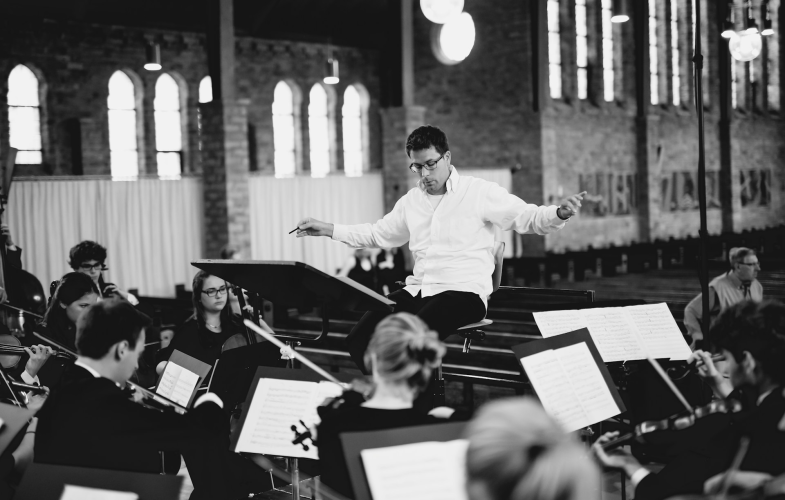
Conducting is a specialized field within music focused on leading and directing musical ensembles such as orchestras, choirs, bands, and chamber groups. Conductors are responsible for interpreting the musical score, unifying performers, and shaping the overall sound and expression of a performance. Conducting requires a combination of musical knowledge, leadership, and communication skills.
Show more...Conducting is a specialized field within music focused on leading and directing musical ensembles such as orchestras, choirs, bands, and chamber groups. Conductors are responsible for interpreting the musical score, unifying performers, and shaping the overall sound and expression of a performance. Conducting requires a combination of musical knowledge, leadership, and communication skills. Key areas of specialization within Conducting include:
1. Orchestral Conducting – focusing on leading orchestras, the conductor interprets the music for large ensembles of strings, woodwinds, brass, and percussion. Orchestral conductors must have a deep understanding of the orchestral repertoire, including symphonies, concertos, and operas.
2. Choral Conducting – specializing in directing choirs or vocal ensembles. This includes understanding vocal techniques, choral blend, and balance, as well as working with a cappella or accompanied works, from classical choral music to contemporary pieces.
3. Band/Wind Ensemble Conducting – conducting wind ensembles or concert bands, often found in educational institutions or military settings. The repertoire for these groups ranges from classical transcriptions to modern compositions for wind instruments and percussion.
4. Opera Conducting – focusing on leading the orchestra in opera performances, a conductor must work closely with singers, stage directors, and other collaborators. Opera conducting involves balancing the needs of vocalists with the orchestral accompaniment and ensuring coordination between music and stage action.
5. Chamber Ensemble Conducting – leading smaller ensembles, often without the need for a baton. In chamber music settings, the conductor’s role is sometimes shared among the performers, but larger chamber groups, like string orchestras, may still require a dedicated conductor.
6. Contemporary Music Conducting – specializing in conducting new music, often involving unconventional scores, extended techniques, or electronic elements. Conductors of contemporary music must be adaptable, sometimes working with living composers to bring new works to life.
7. Marching Band Conducting – specific to marching bands, this type of conducting often involves not only musical leadership but also coordinating the visual aspects of performances, such as formations and choreography.
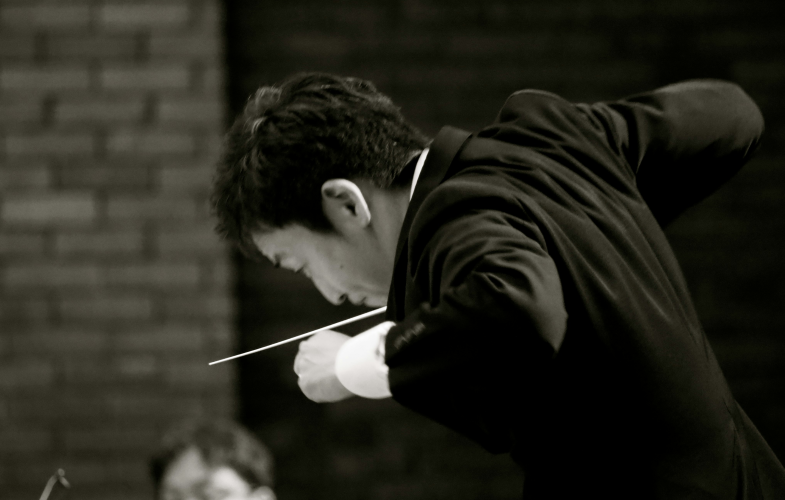
8. Conducting Technique – mastering the physical gestures used to communicate tempo, dynamics, phrasing, and articulation to the ensemble. Conductors use a baton and hand movements to provide clear cues, and studying conducting technique involves developing precise and expressive motions.
9. Score Reading and Interpretation – conductors must thoroughly understand the musical score, including the harmony, instrumentation, rhythm, and form. This requires studying orchestration, understanding each instrument’s role, and making interpretive decisions about how the music should be performed.
10. Rehearsal Techniques – the ability to efficiently run rehearsals is a key skill for conductors. This involves planning how to address technical challenges, balancing rehearsal time across sections, and communicating feedback to musicians clearly and effectively.
11. Musicology and Repertoire Knowledge – conductors must have a broad knowledge of musical history and repertoire to effectively interpret and choose works to perform. This includes familiarity with different styles, from Baroque to contemporary music, and knowing how to adapt their conducting style to each period or genre.
12. Leadership and Communication – conductors serve as leaders of their ensembles, and effective leadership is crucial to achieving cohesive performances. This involves motivating the musicians, fostering a collaborative atmosphere, and resolving conflicts or challenges within the group.
13. Auditory Skills and Ear Training – conductors need highly developed listening skills to identify and address balance, intonation, and rhythm issues within the ensemble. This involves being able to hear both the individual parts and the overall ensemble sound.
14. Expressivity and Interpretation – conductors must interpret the music emotionally and stylistically, conveying their artistic vision to the ensemble. They decide how to shape phrases, highlight certain instruments, and manage the ebb and flow of musical dynamics.
15. Baton vs. Non-Baton Conducting – conductors may choose to use a baton (common in orchestras and larger ensembles) or conduct with their hands (often used in choral and smaller ensemble settings). The choice depends on the size of the group and the type of music being performed.
16. Collaborative Conducting – in certain settings, conductors work closely with other musicians, such as soloists in concertos, or with directors in opera and theater. This requires flexibility and communication to ensure the vision of the entire production is realized.
17. Psychology of Conducting – understanding group dynamics, how to inspire musicians, and how to create a sense of trust and unity within the ensemble are important aspects of conducting. Conductors must maintain control while also encouraging musicians to perform expressively.
Show less
 Most selective Conducting programs without tuition-fees
 German Students
 Other EU Students
 Non-EU Students German Students

 See them all

Browse Study Programs
1 courses available
 Type in your Subject, e.g., Economics Universities with the most selective Conducting programs without tuition fees German Students Other EU Students Non-EU Students German Students
 StudyFinder
 UniFinder
 German Students Other EU Students Non-EU Students German Students German Students Other EU Students Non-EU Students German Students
Disclaimer: You should use this text as a general guide, but it cannot serve as a guarantee. Keep in mind that there is no universal tuition fee & semester contribution that applies to all study programs and all student groups. Hence, we urge you to always individually double-check the specific fees of the specific study programs on their official websites.