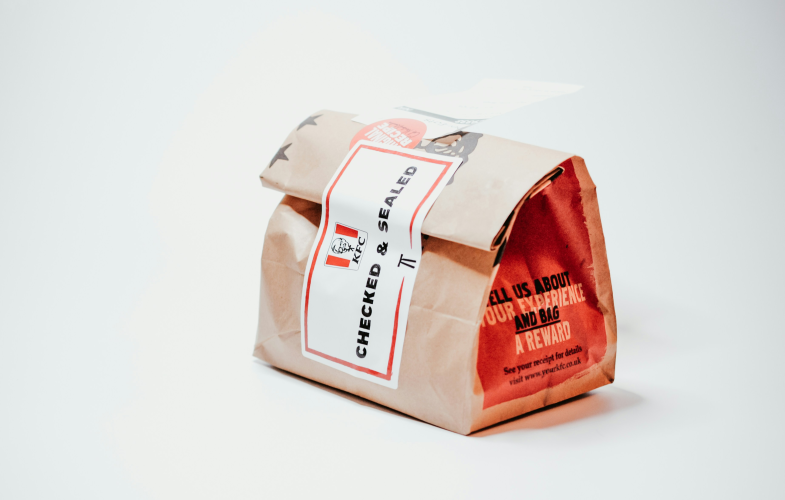


Packaging Design programs in Germany transform international students into creators of the silent salespeople sitting on every shelf, studying where engineering precision meets environmental consciousness—in a nation whose packaging industry generates €50 billion annually while pioneering revolutionary solutions from returnable bottle systems to compostable materials, creating designers who balance aesthetic appeal, functional protection, and sustainability in every folded cardboard corner. These multifaceted English-taught degrees merge art, science, and environmental responsibility: students design structures protecting delicate electronics through global shipping, create unboxing experiences rivaling Apple's theatrical reveals, develop biodegradable alternatives to plastic without sacrificing barrier properties, calculate material thickness optimizing strength versus waste, and understand why German packaging law's extended producer responsibility influences global sustainability standards—discovering that packaging design means solving three-dimensional puzzles with planetary consequences. Germany's packaging ecosystem provides unmatched learning through partnerships spanning global brands and innovative suppliers: internships at Tetra Pak engineering aseptic systems preserving food without refrigeration, BMW designing packaging reducing shipping damage to zero, cosmetics companies creating luxury experiences from sustainable materials, and startups developing edible packaging eliminating waste entirely—experiencing how German systematic thinking revolutionizes seemingly simple boxes.
This Latin term means “limited number” and indicates that a program has restricted admission. In other words, not all applicants can be accepted, so selection is usually based on grades or other criteria when demand exceeds available spots.