 See them all



Browse Study Programs
0 courses available

Industrial Design NC
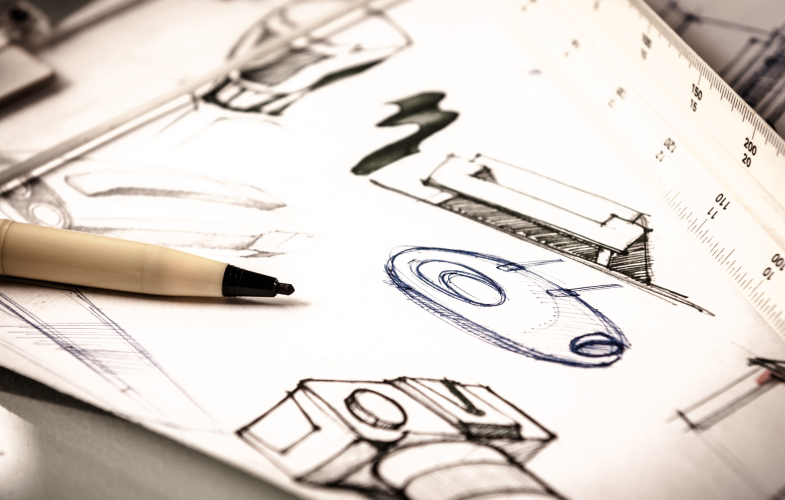
Industrial Design programs in Germany immerse international students in the birthplace of "form follows function," studying where Bauhaus principles revolutionized global design and Dieter Rams' "less but better" philosophy at Braun created timeless products—in a nation whose industrial designers shape everything from Porsche's iconic curves to medical devices saving lives, creating professionals who balance aesthetic beauty with German engineering precision. These comprehensive English-taught degrees merge artistic vision with technical feasibility: students sketch concepts exploring form languages, build prototypes using advanced 3D printing and CNC machining, conduct user research understanding ergonomic needs, engineer products for mass manufacturing, and develop design strategies differentiating brands in saturated markets—discovering that industrial design in Germany means creating objects that work flawlessly while delighting users for decades. Germany's unmatched manufacturing ecosystem provides real-world training through partnerships with companies obsessed with design excellence: BMW's Designworks studio pushing automotive aesthetics, Siemens medical equipment balancing clinical requirements with human-centered design, Miele appliances lasting 20 years through thoughtful engineering, and hidden champions whose products dominate global niches through superior design—experiencing how German industrial design creates competitive advantage beyond superficial styling.
Industrial Design programs in Germany immerse international students in the birthplace of "form follows function," studying where Bauhaus principles revolutionized global design and Dieter Rams' "less but better" philosophy at Braun created timeless products—in a nation whose industrial designers shape everything from Porsche's iconic curves to medical devices saving lives, creating professionals who balance aesthetic beauty with German engineering precision. These comprehensive English-taught degrees merge artistic vision with technical feasibility: students sketch concepts exploring form languages, build prototypes using advanced 3D printing and CNC machining, conduct user research understanding ergonomic needs, engineer products for mass manufacturing, and develop design strategies differentiating brands in saturated markets—discovering that industrial design in Germany means creating objects that work flawlessly while delighting users for decades. Germany's unmatched manufacturing ecosystem provides real-world training through partnerships with companies obsessed with design excellence: BMW's Designworks studio pushing automotive aesthetics, Siemens medical equipment balancing clinical requirements with human-centered design, Miele appliances lasting 20 years through thoughtful engineering, and hidden champions whose products dominate global niches through superior design—experiencing how German industrial design creates competitive advantage beyond superficial styling. The rigorous curriculum balances creative exploration with engineering constraints: CAD mastery from concept sketches to production drawings, materials knowledge from injection-molded plastics to sustainable alternatives, human factors ensuring universal usability, manufacturing processes determining design possibilities, and brand strategy creating coherent product families. Industrial designers command €55,000+ starting salaries across diverse industries: positions at automotive companies shaping future mobility, consumer electronics firms competing through design, medical device manufacturers where aesthetics meets life-saving functionality, design consultancies serving multiple clients, or launching studios after building expertise—all while Germany's design heritage, proximity to world-class manufacturers, nearly free education at prestigious institutions, and work permits create ideal conditions for international students learning to create products that enhance daily life through thoughtful, sustainable design.
 Most Selective Industrial Design Programs
Browse Study Programs
0 courses available
 Type in your Subject, e.g., Economics Most selective Industrial Design universities
 StudyFinder
 UniFinder
 back to top

 Sort by:


No results found
 People Also Search
 You May Also Like Discover More