Browse Study Programs
1 courses available
Sculpture Master NC
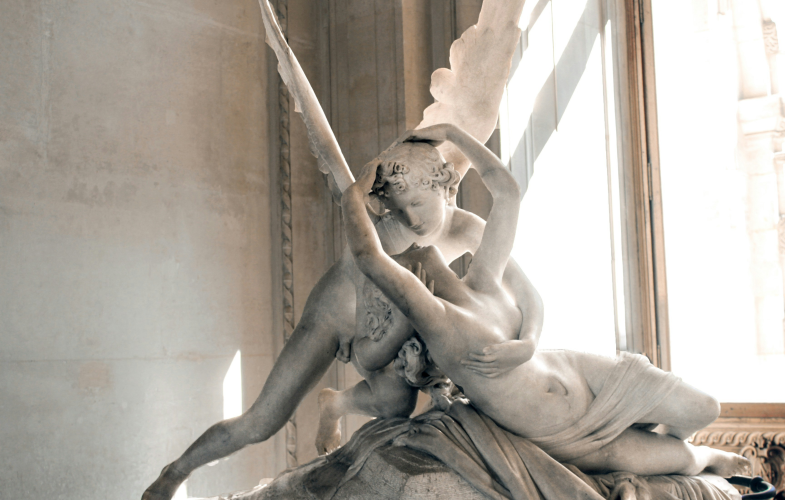
Sculpture programs in Germany immerse international students in three-dimensional thinking where concept meets material mastery, studying in a nation whose sculptural tradition spans from medieval cathedral carvings to Joseph Beuys's revolutionary "social sculpture"—creating artists who transform stone, metal, wood, and unconventional materials into forms that occupy space and challenge perception in Europe's most vibrant contemporary art scene. These intensive studio-based degrees demand both physical engagement and conceptual rigor: students master traditional techniques from marble carving to bronze casting, experiment with industrial processes like welding and 3D printing, develop site-specific installations responding to architectural contexts, explore ephemeral works challenging object permanence, and understand why German sculpture education emphasizes "Handwerk" (craftsmanship) alongside conceptual development—discovering that sculpture means thinking through materials while materials shape thinking. Germany's exceptional art infrastructure provides unmatched opportunities through its commitment to public art: documenta in Kassel redefining sculpture's possibilities every five years, Skulptur Projekte Münster transforming entire cities into galleries, countless public commissions from war memorials to contemporary interventions, artist-run spaces in Berlin's post-industrial buildings, and professional workshops from traditional foundries to high-tech fabrication labs—experiencing how sculpture engages public space beyond gallery walls.
Show more...Sculpture programs in Germany immerse international students in three-dimensional thinking where concept meets material mastery, studying in a nation whose sculptural tradition spans from medieval cathedral carvings to Joseph Beuys's revolutionary "social sculpture"—creating artists who transform stone, metal, wood, and unconventional materials into forms that occupy space and challenge perception in Europe's most vibrant contemporary art scene. These intensive studio-based degrees demand both physical engagement and conceptual rigor: students master traditional techniques from marble carving to bronze casting, experiment with industrial processes like welding and 3D printing, develop site-specific installations responding to architectural contexts, explore ephemeral works challenging object permanence, and understand why German sculpture education emphasizes "Handwerk" (craftsmanship) alongside conceptual development—discovering that sculpture means thinking through materials while materials shape thinking. Germany's exceptional art infrastructure provides unmatched opportunities through its commitment to public art: documenta in Kassel redefining sculpture's possibilities every five years, Skulptur Projekte Münster transforming entire cities into galleries, countless public commissions from war memorials to contemporary interventions, artist-run spaces in Berlin's post-industrial buildings, and professional workshops from traditional foundries to high-tech fabrication labs—experiencing how sculpture engages public space beyond gallery walls. The comprehensive curriculum balances technique with theory: material studies understanding properties from tensile strength to patina development, art history from Romanesque capitals to contemporary installation, professional practice including proposal writing and budget management, critical theory examining sculpture's social functions, and interdisciplinary approaches merging performance, video, and objects. Sculptors find diverse paths with starting incomes varying widely: public art commissions for experienced artists, gallery representation for market-oriented work, teaching positions at art schools, technical positions in foundries or fabrication shops, or combining art practice with related work—all while Germany's nearly free art education, extensive funding opportunities from Kunstfonds to DAAD, vibrant art scenes from Berlin to Munich, and work permits create ideal conditions for international students developing three-dimensional voices in spaces where art remains publicly valued.
Show less Most Selective Sculpture Master Programs

 See them all

Browse Study Programs
1 courses available
 Type in your Subject, e.g., Economics Universities with the most selective Sculpture Master programs
 StudyFinder
 UniFinder