

Free Webinar
Study Mathematics, Statistics and Data Science [Webinar in German]
From mathematical theory and statistical modelling to machine learning and data analysis

23 October 2026, 04:00 PM (Europe/Berlin Time)

75 min

live via Zoom


Book your spot - and get full access to MyGermanUniversity (it’s free)!
Webinar agenda
Welcome & Subject Overview
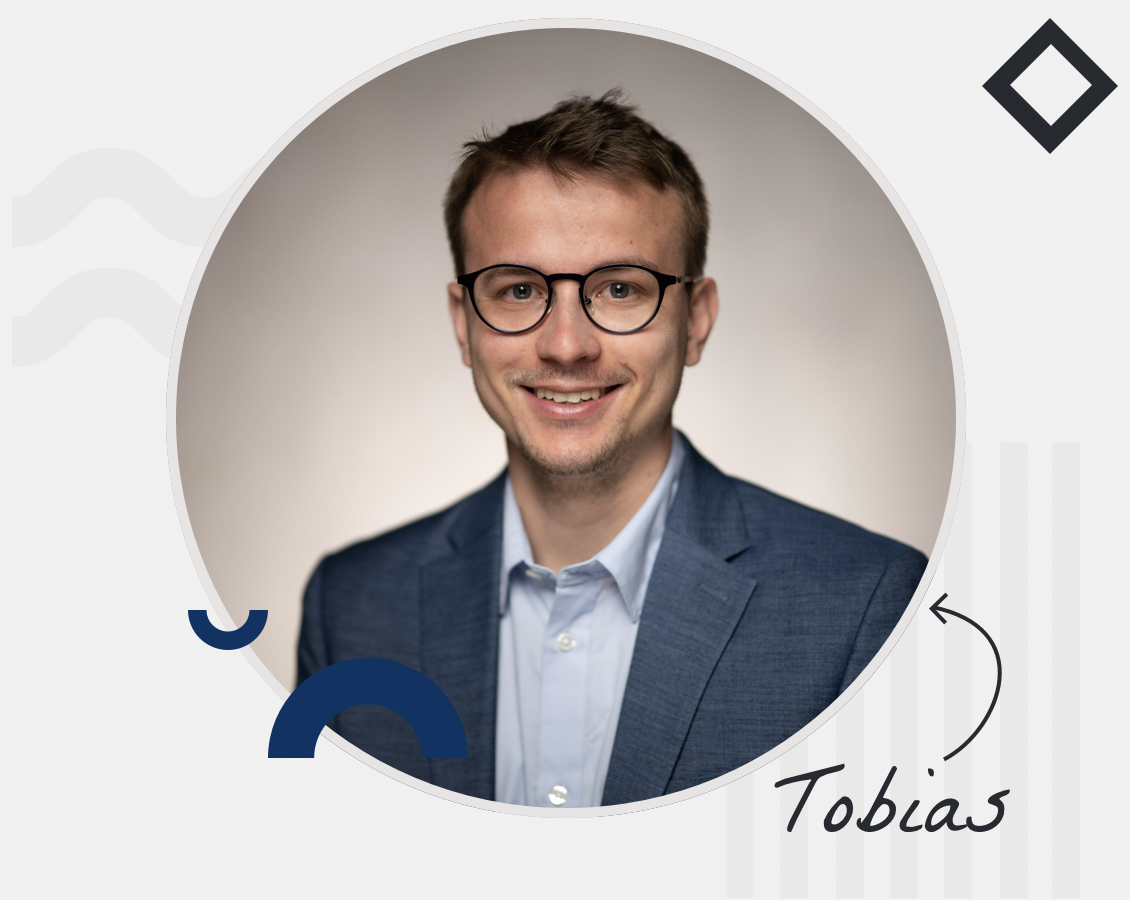
Presented by: Tobias, MyGermanUniversity
Universität Würzburg: B.Sc. Μathеmatik
Live Q&A with guests
Planned end of the webinar
About the study program
Μathеmatik


(Starting: Both Semesters)
- Starting
- Both Semesters
- Mode of Admission:
- no admission restriction
- Study Mode:
- Part-time (optional) ・ On campus
About the university
Julius-Maximilians-Universität Würzburg

 1402
1402  25,281
  12% 28
More about this webinar
Analyse data, build statistical models, develop machine learning pipelines, and understand the mathematical foundations that underpin all of it — Mathematics, Statistics, and Data Science are three related but clearly distinct paths. What they share is this: Germany urgently needs people who can think and work at that level.
The shortage of qualified professionals in data-driven fields is structural — not seasonal, but the result of an economy undergoing fundamental digitalisation. Companies like SAP, BMW, Allianz, and Siemens, alongside research institutions like the Max Planck Society and Helmholtz centres, are looking for graduates who do not just use tools but truly understand what lies behind the data.
You will learn:
- What Mathematics, Statistics, and Data Science programs in Germany cover and how they differ — from pure mathematics and statistics to applied data science and AI specialisations
- Which tools and methods are taught — Python, R, SQL, machine learning, statistical modelling, and more
- Which career paths graduates move into — Data Scientist, Statistician, Quantitative Analyst, AI Developer, Risk Analyst, and many more
- How the admissions process works — entry requirements, language certificates, and application timelines
- Live Q&A — ask your questions directly to the people who run these programs
Come with your questions. Leave with a plan.
Webinar agenda
Welcome & Subject Overview
Presented by: Tobias, MyGermanUniversity
Universität Würzburg: B.Sc. Μathеmatik
Live Q&A with guests
Planned end of the webinar
What you'll learn in this webinar
Application Process
Specialization Options
Career Opportunities
Program Content
Your hosts
Host
Tobias
Team MyGermanUniversity
Work experience:
Degree:
- Amos Oz Fellow at Paideia – The European Institute for Jewish Studies in Sweden (One-Year Program)
- B.A. Sociology, Politics & Economics (Zeppelin Universität Friedrichshafen)

And the best thing:
During the webinar you can put all your questions in the chat!