Browse Study Programs
1 courses available
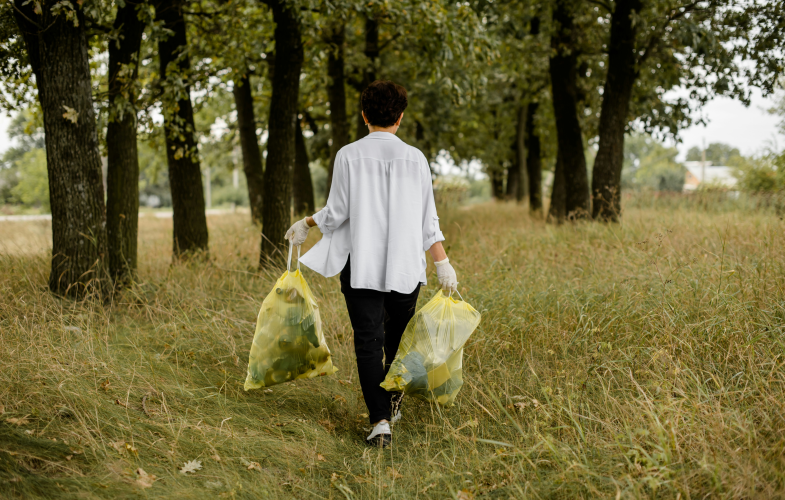

Waste Management programs in Germany equip international students to lead the transition from a linear to a circular economy in the country that pioneered modern recycling and consistently achieves world-leading recovery rates of around 67%. In Germany, “Abfallwirtschaft” has evolved far beyond disposal into a sophisticated resource management system, turning waste into valuable raw materials and energy. English-taught degrees in this field train students to design and optimize mechanical-biological treatment plants, develop advanced chemical recycling methods that break plastics into their molecular components, implement deposit systems achieving return rates of over 98%, and plan low-emission collection logistics. Germany’s nationwide infrastructure serves as a living laboratory: waste-to-energy plants powering entire districts, AI-driven sorting facilities, composting systems converting organic waste into agricultural resources, industrial symbiosis models where one company’s waste feeds another’s production, and research institutes tackling challenges like microplastic remediation and e-waste recycling.
Waste Management programs in Germany equip international students to lead the transition from a linear to a circular economy in the country that pioneered modern recycling and consistently achieves world-leading recovery rates of around 67%. In Germany, “Abfallwirtschaft” has evolved far beyond disposal into a sophisticated resource management system, turning waste into valuable raw materials and energy. English-taught degrees in this field train students to design and optimize mechanical-biological treatment plants, develop advanced chemical recycling methods that break plastics into their molecular components, implement deposit systems achieving return rates of over 98%, and plan low-emission collection logistics. Germany’s nationwide infrastructure serves as a living laboratory: waste-to-energy plants powering entire districts, AI-driven sorting facilities, composting systems converting organic waste into agricultural resources, industrial symbiosis models where one company’s waste feeds another’s production, and research institutes tackling challenges like microplastic remediation and e-waste recycling. The interdisciplinary curriculum combines engineering, environmental science, logistics, and policy, covering biological and thermal treatment processes, material flow analysis, environmental economics, and regulatory frameworks that shape EU-wide waste policy. Graduates are in high demand, earning starting salaries from €50,000 to €60,000 in roles at municipal utilities, private waste management companies, environmental consultancies, manufacturing industries implementing zero-waste strategies, and cleantech startups. With Germany’s strict environmental regulations, culture of innovation, affordable education, and 18-month post-study work permit, these programs offer international students both the expertise and the practical experience to transform waste into resources and drive sustainable systems worldwide.
 Study programs
 English-taught programs
 Universities
 Intakes
 Full Subject Profile
Waste Management in Darmstadt
Browse Study Programs
1 courses available
 Type in your Subject, e.g., Economics

 Which degree?
 Choose degree
 German Students
 Other EU Students
 Non-EU Students German Students German Students Other EU Students
 Non-EU Students Non-EU Students
| Admission-restricted courses | Admission-free courses | |
|---|---|---|
| Master | No courses | 21 April |
 Specific courses may have different application deadlines. Please always double-check the information individually. StudyFinder
 UniFinder
 back to top

 Sort by:
 People Also Search
 You May Also Like