Browse Study Programs
7 courses available


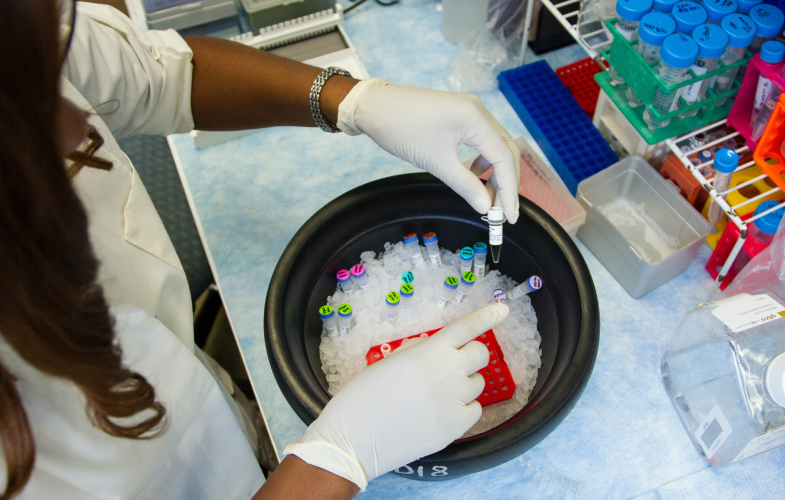
Germany provides an exceptional setting for studying Biology, combining world-class research infrastructure with interdisciplinary teaching and access to some of Europe's most advanced scientific facilities. As a global leader in the life sciences, Germany offers the rare opportunity to learn alongside renowned researchers—including Nobel laureates—and gain hands-on experience in cutting-edge laboratories at institutions such as the Max Planck Institutes, the European Molecular Biology Laboratory (EMBL) in Heidelberg, and the Helmholtz Centers. German programs cover the full spectrum of modern biology, from molecular and cellular biology to ecology, neuroscience, marine biology, and bioinformatics, allowing students to build comprehensive foundations while developing specialized expertise. The country's strong culture of collaboration between universities, research institutes, and the biotechnology and pharmaceutical industries creates abundant pathways for internships, thesis projects, and early career opportunities.
Show more...Germany provides an exceptional setting for studying Biology, combining world-class research infrastructure with interdisciplinary teaching and access to some of Europe's most advanced scientific facilities. As a global leader in the life sciences, Germany offers the rare opportunity to learn alongside renowned researchers—including Nobel laureates—and gain hands-on experience in cutting-edge laboratories at institutions such as the Max Planck Institutes, the European Molecular Biology Laboratory (EMBL) in Heidelberg, and the Helmholtz Centers. German programs cover the full spectrum of modern biology, from molecular and cellular biology to ecology, neuroscience, marine biology, and bioinformatics, allowing students to build comprehensive foundations while developing specialized expertise. The country's strong culture of collaboration between universities, research institutes, and the biotechnology and pharmaceutical industries creates abundant pathways for internships, thesis projects, and early career opportunities. Students engage with pressing global challenges—biodiversity loss, infectious disease, sustainable agriculture, and personalized medicine—in an environment that values both fundamental discovery and real-world application. Germany's commitment to open science and international collaboration means students join a vibrant research community that spans borders and disciplines. With tuition-free education at most public universities, a growing number of English-taught programs, and an 18-month post-study work visa, Germany equips aspiring biologists with the scientific rigor, practical skills, and professional network to pursue impactful careers in research, industry, conservation, or science communication.
Show less Study programs
 English-taught programs
 Universities
 Intakes
 Full Subject Profile
Biology in Freiburg im Breisgau
Browse Study Programs
7 courses available
 Type in your Subject, e.g., Economics
 QS Ranking

 Which degree?
 Choose degree
 German Students
 Other EU Students
 Non-EU Students German Students German Students Other EU Students
 Non-EU Students Non-EU Students
| Admission-restricted courses | Admission-free courses | |
|---|---|---|
| Master | No information | 15 July |
| Bachelor | 15 July | 15 September |
 Specific courses may have different application deadlines. Please always double-check the information individually. StudyFinder
 UniFinder
 back to top

 Sort by: