Browse Study Programs
1 courses available


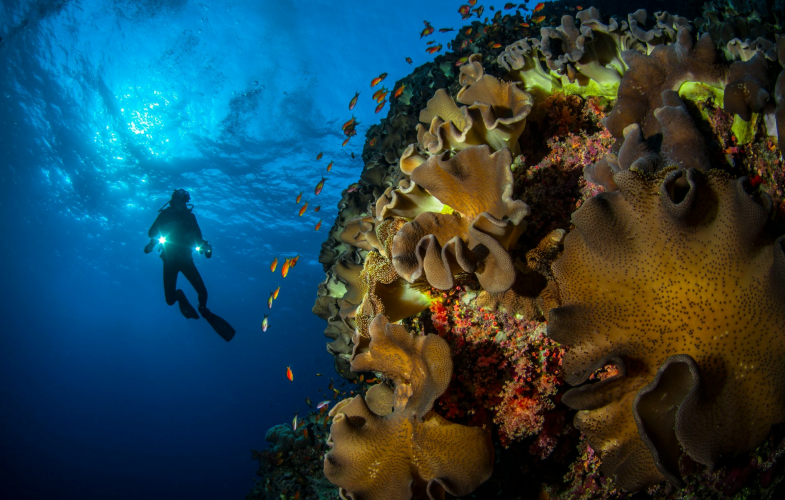
Germany offers international students an exceptional opportunity to study Marine Biology at the nexus of ocean science and environmental research, with unique access to both the North Sea and Baltic Sea serving as natural laboratories for studying diverse marine ecosystems from coastal wetlands to deep-sea environments. Pursuing Marine Biology in Germany means accessing world-renowned programs at institutions like GEOMAR Helmholtz Centre for Ocean Research in Kiel and the Alfred Wegener Institute for Polar and Marine Research in Bremerhaven, where students participate in research expeditions aboard advanced vessels like RV Polarstern and RV Maria S. Merian, exploring everything from Arctic marine life to deep-sea hydrothermal vents. German universities deliver comprehensive Marine Biology curricula that integrate marine ecology, oceanography, and molecular marine biology with cutting-edge research in ocean acidification, marine biodiversity, and climate change impacts, utilizing state-of-the-art facilities including marine stations on Helgoland Island, experimental aquarium systems, and environmental DNA laboratories.
Show more...Germany offers international students an exceptional opportunity to study Marine Biology at the nexus of ocean science and environmental research, with unique access to both the North Sea and Baltic Sea serving as natural laboratories for studying diverse marine ecosystems from coastal wetlands to deep-sea environments. Pursuing Marine Biology in Germany means accessing world-renowned programs at institutions like GEOMAR Helmholtz Centre for Ocean Research in Kiel and the Alfred Wegener Institute for Polar and Marine Research in Bremerhaven, where students participate in research expeditions aboard advanced vessels like RV Polarstern and RV Maria S. Merian, exploring everything from Arctic marine life to deep-sea hydrothermal vents. German universities deliver comprehensive Marine Biology curricula that integrate marine ecology, oceanography, and molecular marine biology with cutting-edge research in ocean acidification, marine biodiversity, and climate change impacts, utilizing state-of-the-art facilities including marine stations on Helgoland Island, experimental aquarium systems, and environmental DNA laboratories. International students benefit from Germany's €500 million annual investment in marine research and strong international collaborations through programs like MARUM and the European Marine Biological Resource Centre, providing exceptional opportunities to study pressing issues from microplastic pollution to sustainable fisheries management while working alongside leading marine scientists. The programs, extensively offered in English at the graduate level, emphasize both fundamental marine biology and applied conservation, covering topics from plankton ecology to marine biotechnology, preparing scientists who can address critical challenges facing our oceans. With growing demand for marine expertise in environmental consulting, offshore wind development, aquaculture, and conservation organizations, Marine Biology graduates command competitive starting salaries typically ranging from €40,000 to €48,000, finding diverse career opportunities as marine ecologists, fisheries biologists, environmental impact assessors, and conservation scientists. The combination of affordable education, hands-on fieldwork in diverse marine habitats, access to cutting-edge research vessels and equipment, and Germany's valuable 18-month post-study work permit creates ideal pathways for launching impactful careers in marine science. This powerful blend of scientific excellence, practical experience, and environmental commitment makes Germany the optimal destination for ambitious students ready to explore and protect our planet's marine ecosystems.
Show less Related subjects
 Study programs
 English-taught programs
 Universities
 Intakes
 Full Subject Profile
Marine Biology in Kiel
Browse Study Programs
1 courses available
 Type in your Subject, e.g., Economics
 QS Ranking

 Which degree?
 Choose degree
 German Students
 Other EU Students
 Non-EU Students German Students German Students Other EU Students
 Non-EU Students Non-EU Students
| Admission-restricted courses | Admission-free courses | |
|---|---|---|
| Master | No courses | 15 April |
 Specific courses may have different application deadlines. Please always double-check the information individually. StudyFinder
 UniFinder

 Sort by:
 People Also Search