Study programs
 Universities
 Intakes




Browse Study Programs
1 courses available


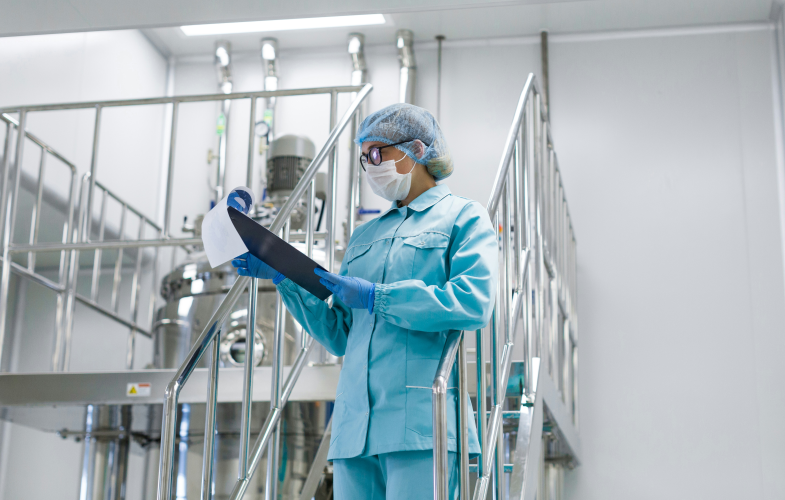
Germany offers an exceptional setting for studying chemical engineering, providing direct access to Europe's most advanced chemical industry and rigorous academic training. Home to global leaders such as BASF, Bayer, and Evonik, Germany immerses students in an ecosystem where theoretical knowledge meets industrial-scale application. German programs integrate chemistry, physics, and mathematics with specialized expertise in process engineering, thermodynamics, reaction technology, and plant design, always emphasizing sustainability, safety, and innovation. Students gain hands-on experience in state-of-the-art laboratories and pilot plants while working on challenges at the forefront of the discipline, such as renewable energy storage, biodegradable materials, carbon capture, and green manufacturing processes.
Show more...Germany offers an exceptional setting for studying chemical engineering, providing direct access to Europe's most advanced chemical industry and rigorous academic training. Home to global leaders such as BASF, Bayer, and Evonik, Germany immerses students in an ecosystem where theoretical knowledge meets industrial-scale application. German programs integrate chemistry, physics, and mathematics with specialized expertise in process engineering, thermodynamics, reaction technology, and plant design, always emphasizing sustainability, safety, and innovation. Students gain hands-on experience in state-of-the-art laboratories and pilot plants while working on challenges at the forefront of the discipline, such as renewable energy storage, biodegradable materials, carbon capture, and green manufacturing processes. Germany distinguishes itself through the depth of collaboration between universities and industry. These partnerships translate into meaningful internships, thesis projects, and applied research opportunities with companies that are actively seeking fresh perspectives on complex engineering problems. The country's leadership in environmental regulation and circular economy initiatives ensures that graduates understand how to optimize processes responsibly. Chemical engineers trained in Germany are well-positioned for careers as process engineers, R&D specialists, production managers, and sustainability consultants in a sector that underpins countless industries worldwide. With tuition-free education at most public universities, strong employer demand, and an 18-month post-study work visa, Germany provides an ideal foundation for engineers who are ready to design sustainable processes and transformative technologies that will shape our future.
Show lessChemical Engineering in Nuremberg
Browse Study Programs
1 courses available
 Type in your Subject, e.g., Economics
 QS Ranking

 Which degree?
 Choose degree
 German Students
 Other EU Students
 Non-EU Students German Students German Students Other EU Students
 Non-EU Students Non-EU Students
| Admission-restricted courses | Admission-free courses | |
|---|---|---|
| Master | 30 June | No courses |
 Specific courses may have different application deadlines. Please always double-check the information individually. StudyFinder
 UniFinder

 Sort by: Discover More