Browse Study Programs
5 courses available

Classical Archaeology NC
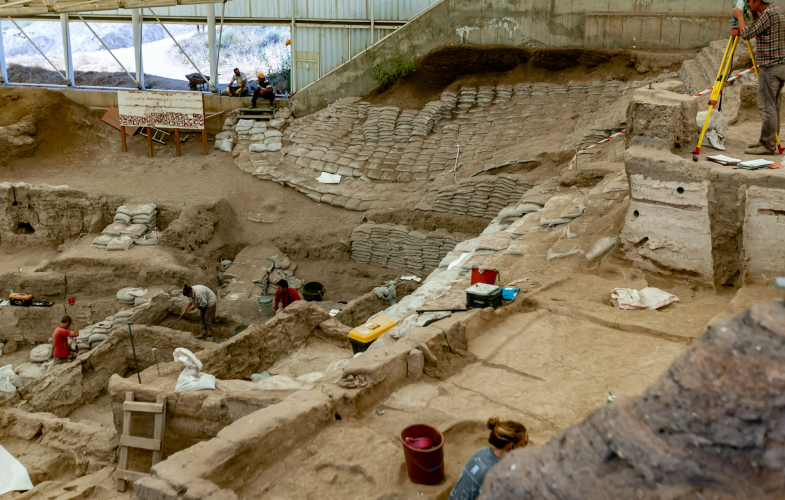
Classical Archaeology programs in Germany immerse international students in the material culture of ancient Mediterranean civilizations while offering unique perspectives from Germany’s own Roman frontier. Unlike studying solely in Rome or Athens, students here explore Greco-Roman history through local archaeological sites such as Roman Cologne, Trier, and the Rhine limes, excavating military camps, villa rustica estates, and cultural contact zones between Romans and Germanic peoples. Programs, often taught in English, combine traditional Altertumswissenschaft—philology, epigraphy, and numismatics—with cutting-edge digital archaeology, from photogrammetry and network analysis to VR reconstructions of temples and urban spaces.
Show more...Classical Archaeology programs in Germany immerse international students in the material culture of ancient Mediterranean civilizations while offering unique perspectives from Germany’s own Roman frontier. Unlike studying solely in Rome or Athens, students here explore Greco-Roman history through local archaeological sites such as Roman Cologne, Trier, and the Rhine limes, excavating military camps, villa rustica estates, and cultural contact zones between Romans and Germanic peoples. Programs, often taught in English, combine traditional Altertumswissenschaft—philology, epigraphy, and numismatics—with cutting-edge digital archaeology, from photogrammetry and network analysis to VR reconstructions of temples and urban spaces. Students learn to interpret everything from amphorae distributions mapping trade networks to graffiti revealing daily life, while field schools and excavations frequently offer paid opportunities rarely available elsewhere. Germany’s strong academic infrastructure, extensive museum collections, and well-funded archaeological institutes provide a rich environment for both study and research. Graduates pursue careers in academia, museums, cultural heritage management, UNESCO site preservation, archaeological tourism, or even antiquities law enforcement, with starting salaries of €48,000+ in heritage sectors. Supported by affordable education, robust public funding for classical studies, and 18-month post-study work visas, Germany stands as an unexpected but highly rewarding hub for students eager to preserve and interpret the classical legacy that shaped European civilization.
Show less Most Selective Classical Archaeology Programs

 See them all


 Which degree?
 Choose degree
 German Students
 Other EU Students
 Non-EU Students Non-EU Students
Browse Study Programs
5 courses available
 Type in your Subject, e.g., Economics Most selective Classical Archaeology universities StudyFinder
 UniFinder
 back to top

 Sort by: Discover More