



Browse Study Programs
19 courses available

Wood Engineering in Germany
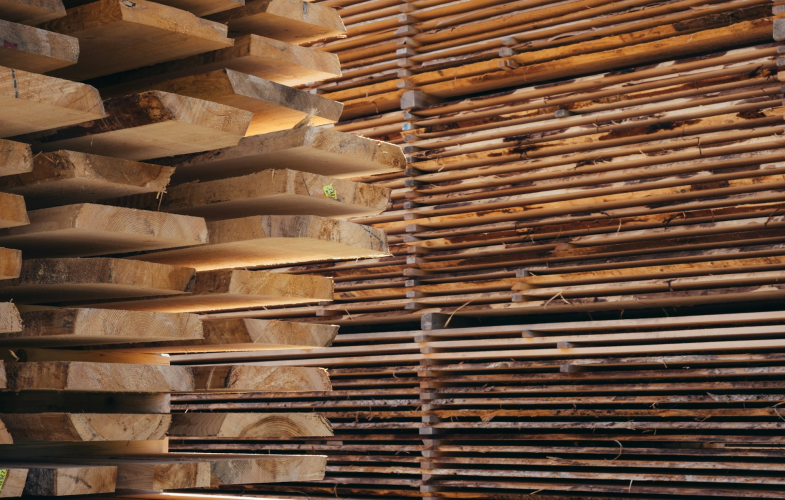
Wood Engineering programs in Germany transform international students into specialists of nature's most versatile building material, studying where ancient Black Forest timber traditions meet cutting-edge biomaterial innovation—in a nation pioneering engineered wood products that enable wooden skyscrapers and proving that sustainable construction doesn't mean primitive building, creating engineers who understand wood from cellular structure to structural systems. These technically sophisticated English-taught degrees revolutionize perceptions of timber construction: students calculate load-bearing capacities of cross-laminated timber rivaling concrete, develop fire-resistant treatments dispelling wood's dangerous reputation, design joints using traditional craftsmanship and modern adhesives, optimize sawmill operations minimizing waste while maximizing value, and understand why German wood engineering leads global sustainable building movements—discovering that wood engineering combines materials science, structural design, and environmental responsibility. Germany's forest-to-fabrication ecosystem provides comprehensive learning through integrated value chains: sustainable forestry practices in Bavaria's managed forests, sawmills using every splinter from boards to biomass, engineered wood manufacturers like Binderholz pushing material limits, prefabrication facilities producing entire buildings, and construction sites erecting timber structures challenging steel and concrete dominance—experiencing how German precision transforms trees into high-tech building systems.
Show more...Browse Study Programs
19 courses available
 Type in your Subject, e.g., Economics
 Which degree?
 Choose degree
 German Students
  Other EU Students
  Non-EU Students German Students German Students Other EU Students
  Non-EU Students Non-EU Students
 Specific courses may have different application deadlines. Please always double-check the information individually. StudyFinder
  UniFinder
  back to top
 Sort by:
  People Also Search Discover More