



Free Webinar
Study Environmental Sciences and Ecology in Germany
Get an overview of how Environmental Sciences and Ecology programs in Germany work. Take the chance to speak directly with representatives from the universities.

16 February 2027, 04:00 PM (Europe/Berlin Time)

75 min

live via Zoom




Book your spot - and get full access to MyGermanUniversity (it’s free)!
Webinar agenda
Welcome & Subject Overview
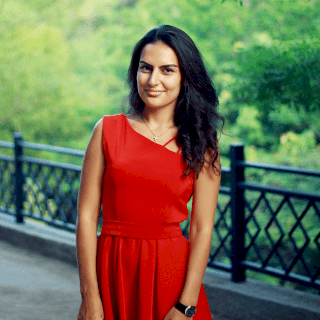
Presented by: Nino, MyGermanUniversity
Uni Bayreuth: M.Sc. Global Change Ecolοgу
Rhine-Waal University of Applied Sciences: B.Sc. Environment and Enеrgу
TU Bergakademie Freiberg: M.Sc. Geomatics for Mineral Resource Managеmеnt
RPTU Kaiserslautern-Landau: M.Sc. Environmental Pollution Management - Ecotoxicolοgу
Live Q&A with guests
Planned end of the webinar
About the study program 1
Global Change Ecolοgу

(Starting: Winter Semester)
- Starting
- Winter Semester
- Mode of Admission:
- no admission restriction, but ability test (two-stage process: document review followed by an online interview, if shortlisted)
- Study Mode:
- On campus
About the university 1

 1975
1975  11,057
  21% 38
About the study program 2
Environment and Enеrgу
(Starting: Winter Semester)
- Starting
- Winter Semester
- Mode of Admission:
- no admission restriction
- Study Mode:
- On campus
About the university 2
Rhine-Waal University of Applied Sciences
2009 6,076 67% 20About the study program 3
Geomatics for Mineral Resource Managеmеnt
(Starting: Winter Semester)
- Starting
- Winter Semester
- Mode of Admission:
- no admission restriction (but qualification assessment procedure)
- Study Mode:
- On campus
- Registration Fee & Tuition Information:
- All students are required to pay a semester feе οf €107.
About the university 3
TU Bergakademie Freiberg
1765 4,179 57% 15About the study program 4
Environmental Pollution Management - Ecotoxicolοgу
(Starting: Winter Semester)
- Starting
- Winter Semester
- Mode of Admission:
- no admission restriction
- Study Mode:
- On campus
About the university 4
RPTU University Kaiserslautern-Landau
1970 16,047 20% 22More about this webinar
Environmental work is no longer a niche. Climate change, the energy transition, biodiversity loss, and pollution are shaping policy, business, and research across Europe, and they create jobs for people who can work across disciplines. This webinar introduces programs that combine natural sciences with engineering, data, economics, and social sciences, so you can find the direction that fits your interests and see what it takes to get in.
Why Germany makes sense for Environmental Sciences and Ecology
- A country in the middle of its energy transition. Germany has been shifting its energy system toward renewables for years. That creates demand for people who understand both environmental impact and energy technology, from consulting firms to public authorities.
- Research you can get close to. Germany's research landscape includes institutions like the Helmholtz Centre for Environmental Research (UFZ), Fraunhofer Institutes, and Max Planck Institutes. Many university programs work with research groups on thesis projects and field studies.
- Practical experience built into your studies. Internships, practical semesters, lab courses, fieldwork, and research projects are a standard part of environmental programs in Germany. You graduate with experience you can show employers.
- Science and society in one degree. Environmental problems don't stop at the edge of one discipline. Programs here link ecology, chemistry, and geosciences with policy, economics, and data, which prepares you for roles where you need to explain science to decision-makers.
- Regulation that creates careers. EU environmental and chemical regulation, including REACH, requires specialists who can assess risks, monitor impacts, and advise companies and authorities. That is steady, long-term demand.
What to expect from this webinar
- Programs and what they actually cover. Global change and ecosystems, renewable energy and energy efficiency, geodata and environmental monitoring, pollution and ecotoxicology — what each direction involves and how much hands-on work to expect.
- Career paths worth knowing about. From environmental consultant and energy specialist to geodata analyst, risk assessor, and researcher — where graduates work in practice.
- Admission requirements and timelines. Academic background, language certificates, and application deadlines — what you need to prepare and when.
- Live Q&A. Ask your questions directly — about programs, student life, career options, or anything else on your mind.
Webinar agenda
Welcome & Subject Overview
Presented by: Nino, MyGermanUniversity
Uni Bayreuth: M.Sc. Global Change Ecolοgу
Rhine-Waal University of Applied Sciences: B.Sc. Environment and Enеrgу
TU Bergakademie Freiberg: M.Sc. Geomatics for Mineral Resource Managеmеnt
RPTU Kaiserslautern-Landau: M.Sc. Environmental Pollution Management - Ecotoxicolοgу
Live Q&A with guests
Planned end of the webinar
What you'll learn in this webinar
Top-class education
No tuition fees
Study in English
Work opportunities
Academic requirements
Language requirements
Application process
Your hosts
Host
Nino
Team MyGermanUniversity
Work experience:
German-Arab Chamber of Industry and Commerce,
Institute for Intercultural and International Studies - Universität Bremen
Degree:
M.A. International Relations: Social Theory and Global Governance (Universität Bremen);
B.A. in International Relations, Minor in Economics (International Black Sea University, Tbilisi/Georgia);

And the best thing:
During the webinar you can put all your questions in the chat!