

Free Webinar
Study Process Engineering in Germany
Get an overview of how Process Engineering programs in Germany work. Take the chance to speak directly with representatives from the universities.

18 February 2027, 04:00 PM (Europe/Berlin Time)

75 min

live via Zoom


Book your spot - and get full access to MyGermanUniversity (it’s free)!
Webinar agenda
Welcome & Subject Overview
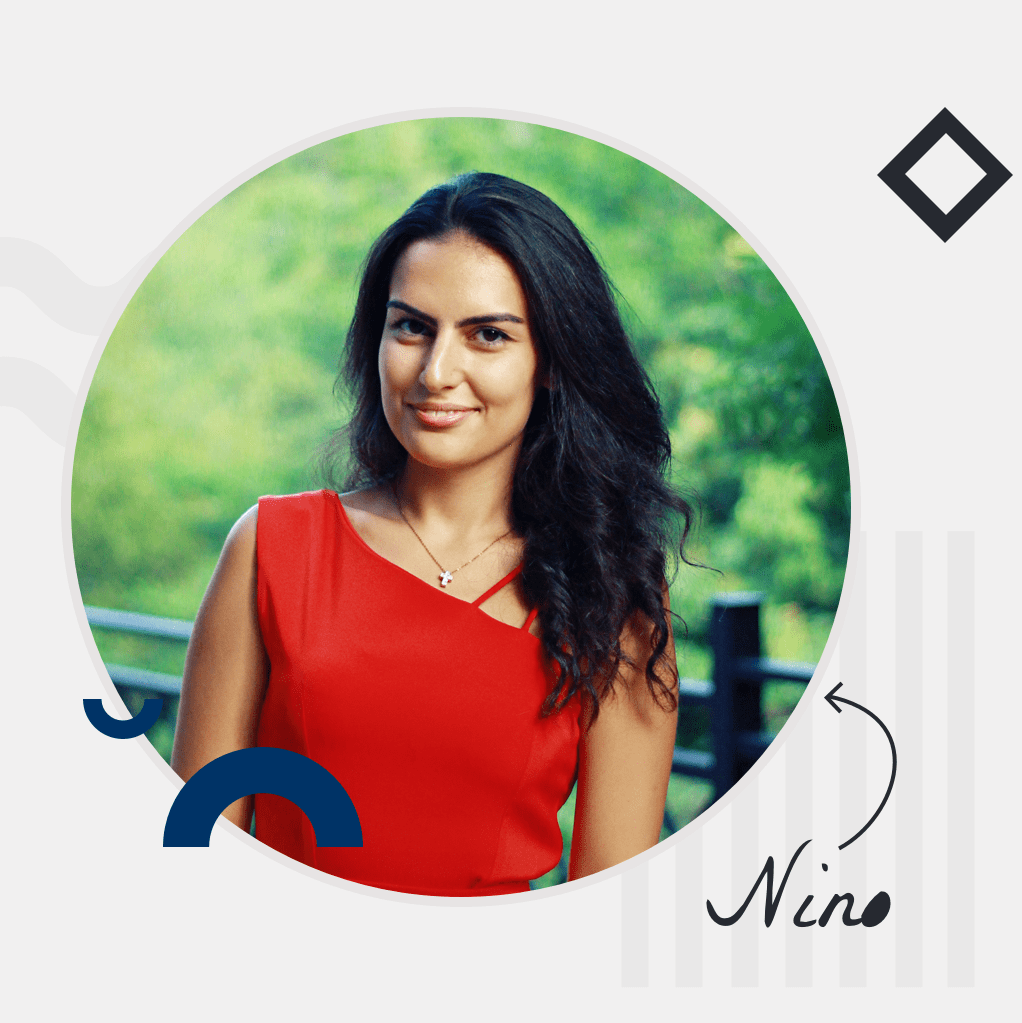
Presented by: Nino, MyGermanUniversity
Hochschule Offenburg: M.Sc. Process Enginееring
TU Bergakademie Freiberg: M.Sc. Chemical Enginееring
Live Q&A with guests
Planned end of the webinar
About the study program 1
Process Enginееring

(Starting: Winter Semester)
- Starting
- Winter Semester
- Mode of Admission:
- no admission restriction, but ability test
- Study Mode:
- On campus
About the university 1
Offenburg University of Applied Sciences

 1967
1967  3,656
3,656  14% 6
14% 6About the study program 2
Chemical Enginееring
(Starting: Winter Semester)
- Starting
- Winter Semester
- Mode of Admission:
- no admission restriction (but qualification assessment procedure)
- Study Mode:
- Part-time (optional) ・ On campus
- Registration Fee & Tuition Information:
- All students are required to pay a semester feе οf €107.
About the university 2
TU Bergakademie Freiberg
1765 4,179 57% 15More about this webinar
The plastics in your phone case, the coatings on your car, the medicine in your cabinet, the biofuel made from waste: all of it depends on process engineers. They design, run, and improve the processes that turn raw materials into products, and they are needed wherever industry is trying to produce more efficiently and sustainably. This webinar walks you through Process and Chemical Engineering programs in Germany, what they involve, and what you need to apply.
Why Germany makes sense for Process Engineering
- One of the world's strongest chemical industries. Germany is home to major chemical and pharmaceutical companies like BASF, Bayer, and Evonik, along with many specialised mid-sized firms. Process engineers are central to how all of them operate.
- Sustainability is changing the field. Renewable energy, biomass conversion, water treatment, recycling, and cleaner production processes are becoming core topics in process engineering. Programs in Germany reflect that shift, which prepares you for where the industry is heading.
- Research and industry close together. Institutions like Fraunhofer and Max Planck work on process and chemical technology, and many universities cooperate closely with industry. That opens doors to thesis projects, research work, and first professional contacts.
- Choose your focus. Depending on the program, you can specialise in chemical and thermal processes, energy engineering, biotechnology, or food technology, and shape your studies around the sector you want to work in.
- International study options. Programs are taught in English, and some even let you study part of your degree at a partner university abroad and graduate with two degrees.
- Time to start your career in Germany. After graduating, non-EU students can stay for up to 18 months to look for work in Germany.
What to expect from this webinar
- Programs and what they actually cover. Chemical, thermal, mechanical, and biological processes, energy engineering, and food technology: what each program focuses on and how it's structured.
- Career paths worth knowing about. From process engineer and project engineer to R&D specialist and quality assurance: where graduates work in practice.
- Admission requirements and timelines. Academic background, language certificates, and application deadlines: what you need to prepare and when.
- Live Q&A. Ask your questions directly about programs, student life, career options, or anything else on your mind.
Webinar agenda
Welcome & Subject Overview
Presented by: Nino, MyGermanUniversity
Hochschule Offenburg: M.Sc. Process Enginееring
TU Bergakademie Freiberg: M.Sc. Chemical Enginееring
Live Q&A with guests
Planned end of the webinar
What you'll learn in this webinar
Top-class education
Study in English
Work opportunities
Academic requirements
Language requirements
Application process
Process Engineering
Optical Technologies
Your hosts
Host
Nino
Team MyGermanUniversity
Work experience:
German-Arab Chamber of Industry and Commerce,
Institute for Intercultural and International Studies - Universität Bremen
Degree:
M.A. International Relations: Social Theory and Global Governance (Universität Bremen);
B.A. in International Relations, Minor in Economics (International Black Sea University, Tbilisi/Georgia);

And the best thing:
During the webinar you can put all your questions in the chat!