Browse Study Programs
3 courses available
Biochemical Engineering NC
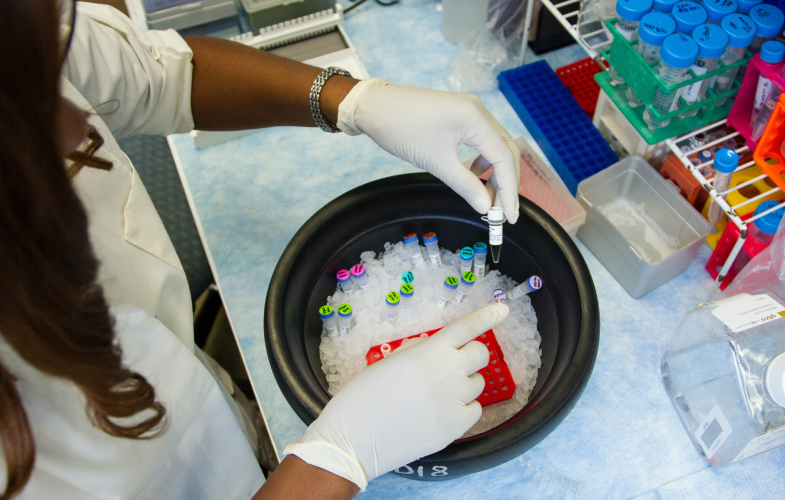
Germany is a top destination for studying Biochemical Engineering, offering world-class research infrastructure and direct access to one of Europe's strongest chemical and pharmaceutical industries. Home to global leaders like BASF, Bayer, Merck, and Boehringer Ingelheim, as well as renowned research institutions like the Max Planck and Fraunhofer societies, Germany sits at the forefront of innovations in bioprocessing, drug development, and sustainable production methods. German universities emphasize a rigorous, lab-intensive approach that blends biology, chemistry, and engineering principles—training students to design and optimize processes for producing pharmaceuticals, biofuels, enzymes, and biomaterials at industrial scale.
Show more...Germany is a top destination for studying Biochemical Engineering, offering world-class research infrastructure and direct access to one of Europe's strongest chemical and pharmaceutical industries. Home to global leaders like BASF, Bayer, Merck, and Boehringer Ingelheim, as well as renowned research institutions like the Max Planck and Fraunhofer societies, Germany sits at the forefront of innovations in bioprocessing, drug development, and sustainable production methods. German universities emphasize a rigorous, lab-intensive approach that blends biology, chemistry, and engineering principles—training students to design and optimize processes for producing pharmaceuticals, biofuels, enzymes, and biomaterials at industrial scale. The country's strong focus on green chemistry and the bioeconomy means students engage with cutting-edge work in areas like fermentation technology, cell culture engineering, and bioreactor design aimed at creating more sustainable production systems. International students benefit from state-of-the-art laboratory facilities, collaborative research projects, and internship pathways into an industry actively seeking skilled engineers. Germany's central role in European research networks further expands opportunities for cross-border collaboration and funding. With tuition-free education at most public universities, a growing number of English-taught programs, and an 18-month post-study work visa, Germany equips aspiring biochemical engineers with the technical expertise and industry connections to drive innovation at the intersection of biology and industrial production.
Show less Most Selective Biochemical Engineering Programs

 See them all


Browse Study Programs
3 courses available
 Type in your Subject, e.g., Economics Most selective Biochemical Engineering universities
 StudyFinder
 UniFinder
 back to top

 Sort by:
 People Also Search Discover More