See them all


Browse Study Programs
0 courses available

Biomaterials Master NC
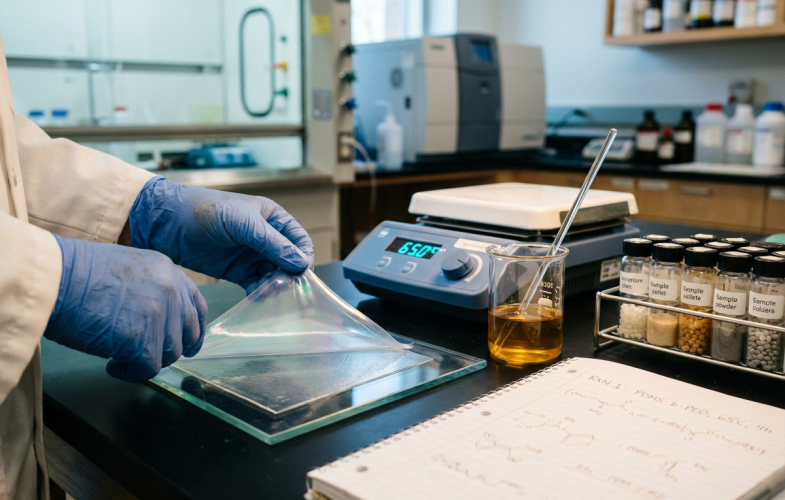
Germany’s Biomaterials programs place international students at the forefront of medical innovation, combining engineering precision with life-saving applications in Europe’s €35 billion medical device market. Offered at leading institutions such as RWTH Aachen, University of Stuttgart, and Charité Berlin, these English-taught degrees cover the full biomaterials pipeline—from nanostructured scaffolds guiding stem cells and biodegradable polymers delivering targeted therapies to smart materials that adapt to the body and bioinks for 3D-printed organs. Students gain interdisciplinary expertise in materials science, cell biology, mechanical engineering, surface chemistry, and regulatory affairs, supported by hands-on training in advanced labs and internships with global MedTech leaders like Fresenius, B.
Show more...Germany’s Biomaterials programs place international students at the forefront of medical innovation, combining engineering precision with life-saving applications in Europe’s €35 billion medical device market. Offered at leading institutions such as RWTH Aachen, University of Stuttgart, and Charité Berlin, these English-taught degrees cover the full biomaterials pipeline—from nanostructured scaffolds guiding stem cells and biodegradable polymers delivering targeted therapies to smart materials that adapt to the body and bioinks for 3D-printed organs. Students gain interdisciplinary expertise in materials science, cell biology, mechanical engineering, surface chemistry, and regulatory affairs, supported by hands-on training in advanced labs and internships with global MedTech leaders like Fresenius, B. Braun, Biotronik, and CeramTec. With Germany’s strong industrial clusters in Munich, Tuttlingen, and Berlin, graduates enter careers developing implants, coatings, and medical devices that transform patient care, typically earning starting salaries of €52,000–€65,000. Combined with affordable tuition, DAAD scholarships, world-class research infrastructure, and an 18-month post-study work visa, Germany offers ideal conditions for ambitious students to pioneer the next generation of biomaterials that repair, replace, and regenerate the human body.
Show less Most Selective Biomaterials Master Programs
Browse Study Programs
0 courses available
 Type in your Subject, e.g., Economics Universities with the most selective Biomaterials Master programs
 StudyFinder
 UniFinder
 back to top

 Sort by:


 People Also Search Discover More