Browse Study Programs
2 courses available

Biosciences Bachelor in English
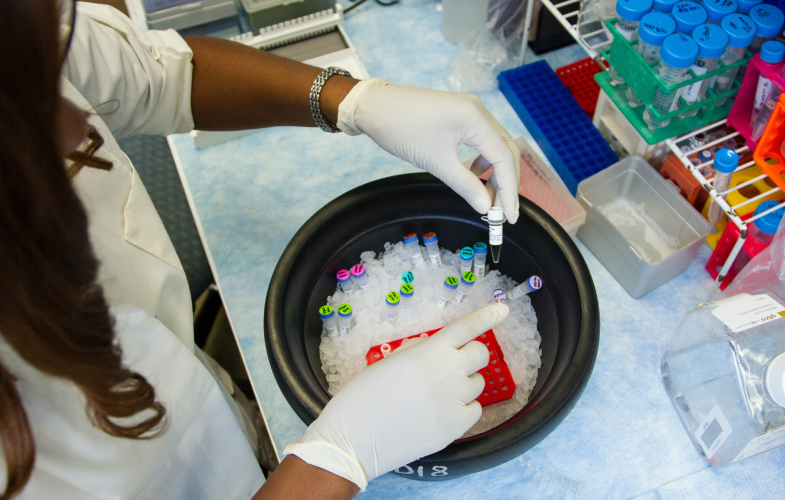
Germany's Biosciences programs offer international students an extraordinary gateway into life's infinite complexity, studying in the nation that revolutionized biological research from Koch's microbiology to CRISPR gene editing at the Max Planck Institutes—providing comprehensive English-taught degrees that span the entire spectrum of life from molecular mechanisms to ecosystem dynamics. These interdisciplinary programs transform you into a versatile bioscientist capable of engineering bacteria that eat plastic waste, developing drought-resistant crops through genomic selection, tracking biodiversity changes in response to climate shifts, discovering novel antibiotics from soil microbiomes, or unraveling the genetic basis of rare diseases—all while working across Germany's unmatched research landscape featuring 80+ Max Planck Institutes, four Helmholtz Centers for life sciences, the EMBL's European headquarters, and biotechnology clusters in Munich, Berlin, and Heidelberg where over 700 companies translate biological discoveries into real-world solutions. You'll master life sciences through comprehensive training that seamlessly integrates molecular biology techniques from CRISPR editing to protein crystallography, ecological field methods from species monitoring to ecosystem modeling, biotechnology applications from fermentation engineering to synthetic biology, bioinformatics analyzing everything from ancient DNA to microbiome diversity, and laboratory skills ranging from sterile cell culture to environmental sampling—while choosing specializations in areas like marine biology at coastal research stations, plant sciences in botanical gardens housing 20,000 species, medical biology in university hospitals, or industrial biotechnology with companies like BASF and Bayer.
Show more...Germany's Biosciences programs offer international students an extraordinary gateway into life's infinite complexity, studying in the nation that revolutionized biological research from Koch's microbiology to CRISPR gene editing at the Max Planck Institutes—providing comprehensive English-taught degrees that span the entire spectrum of life from molecular mechanisms to ecosystem dynamics. These interdisciplinary programs transform you into a versatile bioscientist capable of engineering bacteria that eat plastic waste, developing drought-resistant crops through genomic selection, tracking biodiversity changes in response to climate shifts, discovering novel antibiotics from soil microbiomes, or unraveling the genetic basis of rare diseases—all while working across Germany's unmatched research landscape featuring 80+ Max Planck Institutes, four Helmholtz Centers for life sciences, the EMBL's European headquarters, and biotechnology clusters in Munich, Berlin, and Heidelberg where over 700 companies translate biological discoveries into real-world solutions. You'll master life sciences through comprehensive training that seamlessly integrates molecular biology techniques from CRISPR editing to protein crystallography, ecological field methods from species monitoring to ecosystem modeling, biotechnology applications from fermentation engineering to synthetic biology, bioinformatics analyzing everything from ancient DNA to microbiome diversity, and laboratory skills ranging from sterile cell culture to environmental sampling—while choosing specializations in areas like marine biology at coastal research stations, plant sciences in botanical gardens housing 20,000 species, medical biology in university hospitals, or industrial biotechnology with companies like BASF and Bayer. Germany's distinctive approach combines rigorous theoretical foundations with extensive practical experience through semester-long research projects, industry internships at pharmaceutical and biotech companies, field courses from the Alps to the North Sea, and thesis work contributing to actual scientific publications—preparing graduates who understand both the microscopic details of molecular interactions and the macroscopic patterns of global ecosystems. The diverse career paths reflect biology's centrality to 21st-century challenges, with starting salaries of €45,000–€62,000 for positions ranging from pharmaceutical researchers developing next-generation therapeutics, environmental consultants assessing ecosystem health, quality control specialists in food and cosmetics industries, science communicators translating discoveries for public understanding, to entrepreneurs launching startups in synthetic biology, personalized medicine, or sustainable agriculture. Combined with Germany's nearly free university education, access to state-of-the-art research facilities from electron microscopes to DNA sequencers, generous DAAD scholarships for international students, the opportunity to learn from Nobel laureates and leading researchers, and 18-month post-study work permits in Europe's largest economy, studying Biosciences here means joining a tradition of biological discovery while gaining the interdisciplinary expertise to tackle humanity's greatest challenges—from pandemic preparedness and food security to biodiversity conservation and the biotechnology revolution reshaping our world.
Show less Intake
 Language of Instruction
 Numerus Clausus
 Tuition fees

 Germans & EU Students

 Non-EU Students

Browse Study Programs
2 courses available
 Type in your Subject, e.g., Economics

Filter all programs for your Language Certificate
Language Certificates  Your certificate level/score
Disclaimer: Each study program has its own specific language requirements. Hence, we strongly recommend checking each program individually for complete information about language requirements.
 QS Ranking

← Prev Page
1
2
Next Page →
 StudyFinder
 UniFinder
 back to top

 Sort by:
 People Also Search Discover More