Browse Study Programs
4 courses available

Prehistoric Archaeology in Germany
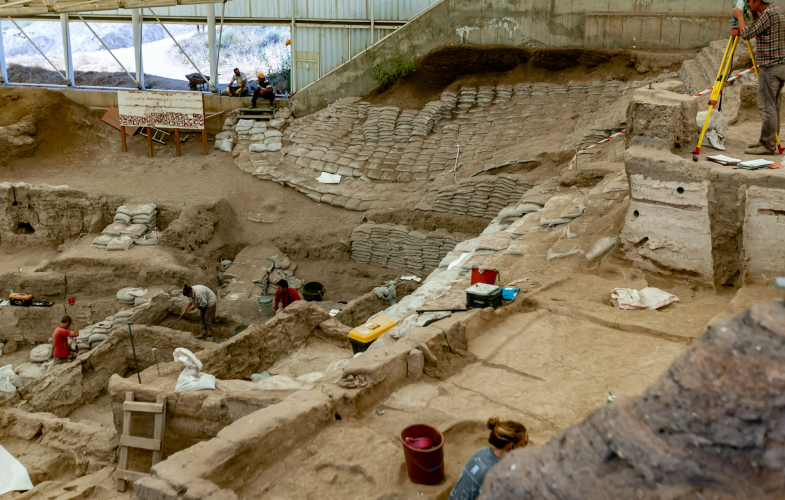
Prehistoric Archaeology programs in Germany unlock deep time for international students, exploring humanity's longest chapter—from early hominids crafting first tools 1.4 million years ago to Bronze Age societies developing complex metallurgy—in a country where gravel quarries routinely yield mammoth bones and construction sites reveal perfectly preserved Paleolithic camps. The treasure trove of German prehistoric sites reads like human evolution's greatest hits: Schöningen's 400,000-year-old wooden spears revolutionizing understanding of early hunting, Vogelherd Cave's ivory figurines representing humanity's oldest art, and lake dwellings preserving organic materials typically lost to decay—creating outdoor classrooms where students excavate actual prehistory rather than memorizing textbook dates. These English-taught degrees embrace cutting-edge archaeological science that transforms silent stones into speaking witnesses: lithic analysis revealing tool-making traditions spreading across continents, phosphate analysis identifying invisible activity areas within caves, and 3D modeling reconstructing scattered bone fragments into complete skeletons—skills mastered through hands-on laboratory work with authentic artifacts most students elsewhere only see in museum cases.
Show more...Prehistoric Archaeology programs in Germany unlock deep time for international students, exploring humanity's longest chapter—from early hominids crafting first tools 1.4 million years ago to Bronze Age societies developing complex metallurgy—in a country where gravel quarries routinely yield mammoth bones and construction sites reveal perfectly preserved Paleolithic camps. The treasure trove of German prehistoric sites reads like human evolution's greatest hits: Schöningen's 400,000-year-old wooden spears revolutionizing understanding of early hunting, Vogelherd Cave's ivory figurines representing humanity's oldest art, and lake dwellings preserving organic materials typically lost to decay—creating outdoor classrooms where students excavate actual prehistory rather than memorizing textbook dates. These English-taught degrees embrace cutting-edge archaeological science that transforms silent stones into speaking witnesses: lithic analysis revealing tool-making traditions spreading across continents, phosphate analysis identifying invisible activity areas within caves, and 3D modeling reconstructing scattered bone fragments into complete skeletons—skills mastered through hands-on laboratory work with authentic artifacts most students elsewhere only see in museum cases. The holistic German approach integrates environmental archaeology understanding climate changes driving human adaptation, experimental archaeology replicating prehistoric technologies from flint knapping to hide working, and public archaeology sharing discoveries through museum exhibitions and community engagement—preparing versatile professionals beyond traditional academic paths. Graduates command €45,000+ in cultural heritage management protecting sites from development, museums creating immersive prehistoric experiences, archaeological consulting for infrastructure projects, or research positions pushing boundaries of human origins studies—all supported by Germany's robust archaeological laws, affordable education enabling focus on studies rather than debt, and work permits allowing international students to build careers revealing humanity's deepest roots in the heart of Europe.
Show lessBrowse Study Programs
4 courses available
 Type in your Subject, e.g., Economics
 QS Ranking

 Which degree?
 Choose degree
 German Students
 Other EU Students
 Non-EU Students German Students German Students Other EU Students
 Non-EU Students Non-EU Students
| Admission-restricted courses | Admission-free courses | |
|---|---|---|
| Master | No courses | 15 June |
 Specific courses may have different application deadlines. Please always double-check the information individually. StudyFinder
 UniFinder
 back to top

 Sort by:
 People Also Search Discover More







 See them all