




Browse Study Programs
17 courses available
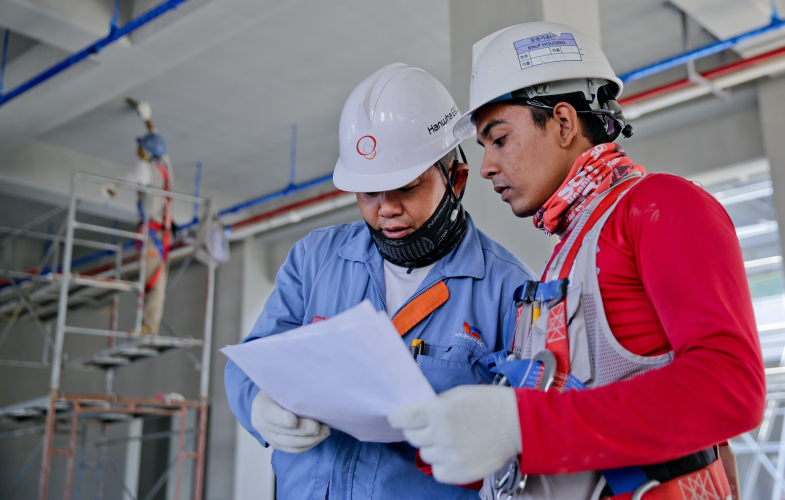
Safety Engineering: Top Bachelor Programs
Germany's Safety Engineering programs are the future! They train international students to prevent catastrophes before they happen. Germany's "Sicherheitstechnik" culture makes its industrial plants among the world's safest, despite handling dangerous processes.
Show more...Germany's Safety Engineering programs are the future! They train international students to prevent catastrophes before they happen. Germany's "Sicherheitstechnik" culture makes its industrial plants among the world's safest, despite handling dangerous processes. "German engineering" extends to systematically eliminating risks from chemical plants that could level neighborhoods to automotive systems protecting lives at 250 km/h. These programs create engineers who master the science of making dangerous things safe. These comprehensive English-taught degrees are for anyone who wants to make a difference in the world. Students calculate explosion risks in chemical reactors, design fail-safe systems for autonomous vehicles, develop emergency shutdown procedures to prevent runaway reactions, analyze human factors causing 80% of accidents, and understand why German safety engineering's systematic hazard analysis influences global standards from ATEX directives to functional safety. It's an incredible opportunity to discover that safety engineering means thinking like Murphy's Law incarnate while finding solutions. Germany's industrial density provides unmatched real-world learning opportunities through diverse, high-risk environments. Imagine the sophisticated safety management in chemical parks along the Rhine, the cutting-edge safety systems tested on automotive test tracks, and the ultimate safety requirements demonstrated by decommissioning nuclear facilities. And let's not forget the construction sites implementing BG Bau regulations and process industries where single failures can lead to catastrophic consequences. It's a chance to witness how German safety culture, through engineering, not luck, prevents accidents. The rigorous curriculum is an exhilarating combination of technical knowledge and risk thinking. It includes process safety analysis, which explores what causes explosions, functional safety, ensuring electronics fail safely, fire protection engineering, which prevents and suppresses combustion, human factors, which examines why people bypass safety systems, and safety management, which fosters cultures where safety becomes second nature. Safety engineers can earn a whopping €60,000+ in starting salaries, showcasing the critical expertise that's in high demand: process safety positions at chemical companies, automotive safety development, consulting firms conducting hazard analyses, insurance companies assessing industrial risks, or regulatory bodies enforcing safety standards. Germany's zero-tolerance approach to industrial accidents, nearly free technical education, extensive safety regulations creating demand, and work permits create ideal conditions for international students mastering the engineering discipline that keeps modern industry from killing people.
Show less
Browse Study Programs
17 courses available
 Type in your Subject, e.g., Economics
 StudyFinder
 UniFinder
 back to top

 Sort by:
 People Also Search Discover More