










Browse Study Programs
44 courses available
Historical Archaeology: Top Programs
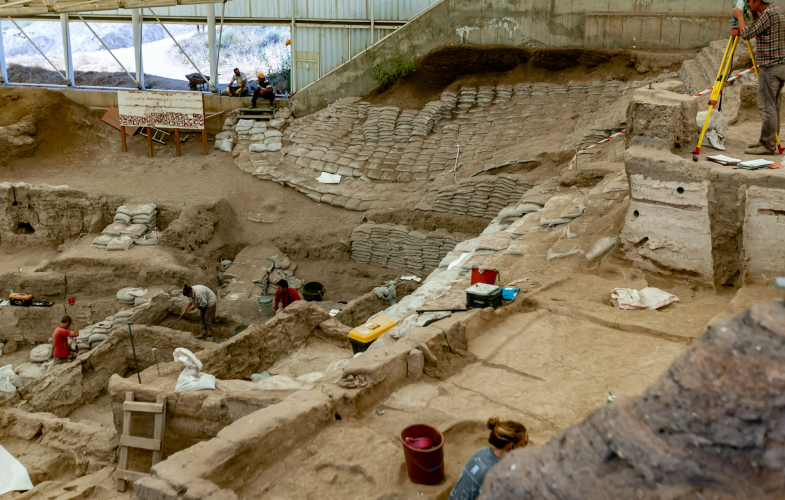
Germany offers international students an extraordinary opportunity to study Historical Archaeology in a nation where centuries of European history lie beneath the soil, from Roman frontier settlements along the Limes Germanicus to medieval trading posts of the Hanseatic League and World War II archaeological sites that reshape our understanding of recent conflict. Pursuing Historical Archaeology in Germany means accessing renowned programs at institutions like the University of Bamberg's Archaeological Sciences, University of Tübingen's Institute for Archaeological Sciences, and the German Archaeological Institute (DAI), learning from a country where construction projects regularly uncover historical treasures, creating constant demand for archaeological expertise. German universities deliver comprehensive Historical Archaeology curricula that integrate excavation techniques, material culture analysis, and archival research with cutting-edge technologies like ground-penetrating radar, 3D documentation, and isotope analysis, while Germany's meticulous approach to cultural heritage protection ensures extensive archaeological investigation before development projects.
Show more...Germany offers international students an extraordinary opportunity to study Historical Archaeology in a nation where centuries of European history lie beneath the soil, from Roman frontier settlements along the Limes Germanicus to medieval trading posts of the Hanseatic League and World War II archaeological sites that reshape our understanding of recent conflict. Pursuing Historical Archaeology in Germany means accessing renowned programs at institutions like the University of Bamberg's Archaeological Sciences, University of Tübingen's Institute for Archaeological Sciences, and the German Archaeological Institute (DAI), learning from a country where construction projects regularly uncover historical treasures, creating constant demand for archaeological expertise. German universities deliver comprehensive Historical Archaeology curricula that integrate excavation techniques, material culture analysis, and archival research with cutting-edge technologies like ground-penetrating radar, 3D documentation, and isotope analysis, while Germany's meticulous approach to cultural heritage protection ensures extensive archaeological investigation before development projects. International students benefit from exceptional fieldwork opportunities at active excavation sites ranging from medieval city centers being redeveloped to industrial archaeology projects documenting Germany's manufacturing heritage, while the country's federal system means diverse regional approaches to historical archaeology from Viking-age sites in Schleswig-Holstein to baroque period excavations in Dresden. The programs, increasingly accessible to international students, emphasize both field methods and theoretical approaches, covering urban archaeology, battlefield archaeology, and post-medieval material culture, while incorporating digital archaeology techniques and public engagement strategies essential for modern archaeological practice. With Germany's strong cultural heritage laws requiring archaeological assessment for development projects and well-funded heritage sector, Historical Archaeology graduates command competitive starting salaries typically ranging from €38,000 to €46,000, finding diverse career opportunities in state heritage offices, archaeological consulting firms, museums, and research institutions. The combination of affordable education, hands-on excavation experience, access to extensive archaeological archives and collections, exposure to diverse historical periods from Roman to Cold War, and Germany's 18-month post-study work permit creates ideal pathways for launching archaeological careers. This powerful blend of historical richness, methodological rigor, and practical opportunity makes Germany the optimal destination for students passionate about uncovering and interpreting the material remains of historical societies.
Show less
 Which degree?
 Choose degree
Browse Study Programs
44 courses available
 Type in your Subject, e.g., Economics
 QS Ranking

 2 programs
 3 programs StudyFinder
 UniFinder
 back to top

 Sort by:
 People Also Search Discover More


