

Browse Study Programs
27 courses available
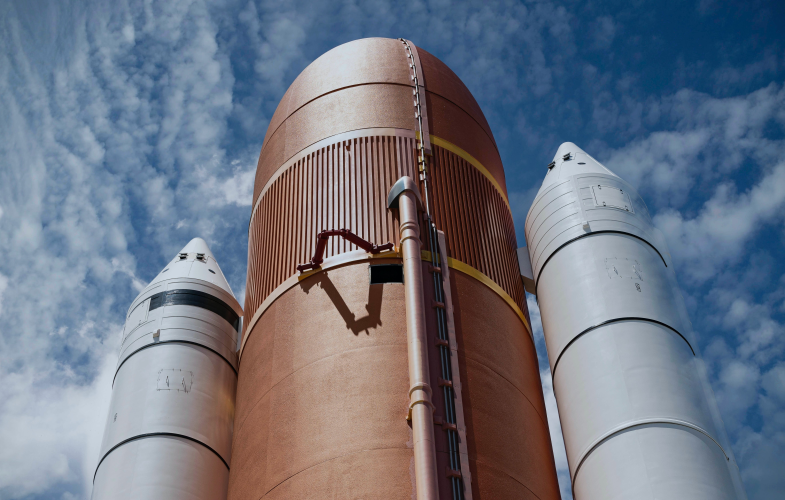
Space Engineering: Top Programs
Germany stands as Europe's space technology leader for international students pursuing Space Engineering, offering cutting-edge education at the forefront of satellite technology, rocket propulsion, and space exploration in a nation contributing €3 billion annually to space programs and hosting the European Space Operations Centre in Darmstadt. Choosing to study Space Engineering in Germany means accessing world-class programs at institutions like TU Munich, University of Stuttgart's Institute of Space Systems, and RWTH Aachen, learning from a country that leads European space initiatives through DLR (German Aerospace Center) and companies like Airbus Defence and Space, OHB, and ArianeGroup that develop everything from Ariane rockets to Mars rovers. German universities deliver comprehensive Space Engineering curricula that integrate spacecraft design, orbital mechanics, propulsion systems, and satellite communications with hands-on experience in mission planning, space robotics, and Earth observation technologies, utilizing professional facilities including vacuum chambers, clean rooms, and satellite ground stations.
Show more...Germany stands as Europe's space technology leader for international students pursuing Space Engineering, offering cutting-edge education at the forefront of satellite technology, rocket propulsion, and space exploration in a nation contributing €3 billion annually to space programs and hosting the European Space Operations Centre in Darmstadt. Choosing to study Space Engineering in Germany means accessing world-class programs at institutions like TU Munich, University of Stuttgart's Institute of Space Systems, and RWTH Aachen, learning from a country that leads European space initiatives through DLR (German Aerospace Center) and companies like Airbus Defence and Space, OHB, and ArianeGroup that develop everything from Ariane rockets to Mars rovers. German universities deliver comprehensive Space Engineering curricula that integrate spacecraft design, orbital mechanics, propulsion systems, and satellite communications with hands-on experience in mission planning, space robotics, and Earth observation technologies, utilizing professional facilities including vacuum chambers, clean rooms, and satellite ground stations. International students benefit from Germany's pivotal role in ESA missions and growing NewSpace sector with startups like Isar Aerospace and Rocket Factory Augsburg, providing exceptional internship opportunities to work on real space projects from CubeSat development to lunar exploration technologies and satellite constellation management. The curriculum, extensively offered in English-taught programs, addresses contemporary challenges from space debris mitigation to in-orbit servicing, while incorporating emerging fields like small satellite technology, electric propulsion, and space resource utilization that define the future of space exploration. With the global space economy reaching €450 billion and Germany investing heavily in space technology sovereignty, Space Engineering graduates command impressive starting salaries typically ranging from €50,000 to €60,000, finding diverse career opportunities as satellite engineers, mission analysts, propulsion specialists, and systems engineers at space agencies, aerospace companies, and NewSpace ventures. The combination of affordable education, participation in actual space missions, access to ESA facilities and programs, and Germany's valuable 18-month post-study work permit creates ideal pathways for launching stellar careers in the space industry. This powerful blend of technical excellence, practical space experience, and exceptional career prospects makes Germany the optimal destination for ambitious engineers ready to push the boundaries of human space exploration.
Show less
 Which degree?
 Choose degree
Browse Study Programs
27 courses available
 Type in your Subject, e.g., Economics
 QS Ranking StudyFinder
 UniFinder
 back to top

 Sort by:
 People Also Search
 You May Also Like Discover More