Browse Study Programs
4 courses available

Environmental Toxicology in Germany
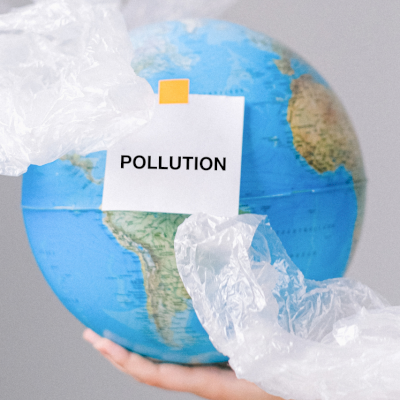
Environmental Toxicology programs in Germany prepare international students to investigate, assess, and mitigate the effects of pollutants on ecosystems and human health, combining advanced scientific training with practical applications in one of the world’s leaders in chemical safety and sustainability. These interdisciplinary, English-taught programs integrate analytical chemistry, molecular biology, ecotoxicology, and environmental modeling, equipping students to study how contaminants such as pesticides, pharmaceuticals, microplastics, and industrial chemicals move through air, soil, water, and food chains. Students gain hands-on expertise with cutting-edge techniques like mass spectrometry, bioassays, molecular biomarkers, and computational fate modeling, complemented by fieldwork in contaminated sites and restoration projects across Germany.
Show more...Environmental Toxicology programs in Germany prepare international students to investigate, assess, and mitigate the effects of pollutants on ecosystems and human health, combining advanced scientific training with practical applications in one of the world’s leaders in chemical safety and sustainability. These interdisciplinary, English-taught programs integrate analytical chemistry, molecular biology, ecotoxicology, and environmental modeling, equipping students to study how contaminants such as pesticides, pharmaceuticals, microplastics, and industrial chemicals move through air, soil, water, and food chains. Students gain hands-on expertise with cutting-edge techniques like mass spectrometry, bioassays, molecular biomarkers, and computational fate modeling, complemented by fieldwork in contaminated sites and restoration projects across Germany. Internships with research institutes, regulatory bodies, and environmental consultancies provide practical experience in risk assessment, remediation strategies, and policy implementation, supported by Germany’s leadership in frameworks like REACH and its strong environmental regulatory culture. Graduates enter careers as environmental consultants, toxicologists, regulatory scientists, or academic researchers, often starting with salaries above €55,000. With affordable education, state-of-the-art facilities, and Germany’s 18-month post-study work visa, students are ideally placed to build impactful careers in safeguarding ecosystems and public health through science-driven environmental management.
Show lessBrowse Study Programs
4 courses available
 Type in your Subject, e.g., Economics
 QS Ranking

 Which degree?
 Choose degree
 German Students
 Other EU Students
 Non-EU Students German Students German Students Other EU Students
 Non-EU Students Non-EU Students
 Specific courses may have different application deadlines. Please always double-check the information individually. StudyFinder
 UniFinder
 back to top

 Sort by:
 People Also Search
 You May Also Like Discover More








 See them all