Browse Study Programs
4 courses available
Bioeconomy International Programs with NC
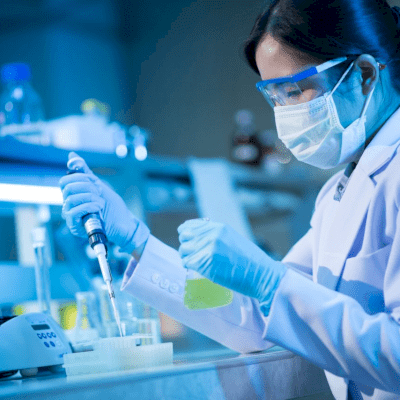
Bioeconomy programs in Germany place international students at the cutting edge of the global shift from fossil fuels to biological resources, in a country where agricultural waste becomes bioplastic, algae yield jet fuel, and mushroom mycelium replaces Styrofoam—supported by €3.6 billion in national investment proving that economic growth can decouple from petroleum dependence. These innovative English-taught degrees merge biotechnology, economics, and sustainability science, training students to engineer microorganisms that convert CO₂ into chemicals, design biorefineries extracting maximum value from agricultural residues, calculate carbon footprints that demonstrate bio-based advantages, and create circular systems where industrial by-products fuel new processes. Germany’s bioeconomy ecosystem offers unparalleled “living laboratories” through collaborations with global chemical giants like BASF pivoting toward renewable feedstocks, startups fermenting animal-free proteins, farmers cultivating energy crops on marginal land, and research clusters developing everything from biodegradable electronics to self-healing biomaterials.
Bioeconomy programs in Germany place international students at the cutting edge of the global shift from fossil fuels to biological resources, in a country where agricultural waste becomes bioplastic, algae yield jet fuel, and mushroom mycelium replaces Styrofoam—supported by €3.6 billion in national investment proving that economic growth can decouple from petroleum dependence. These innovative English-taught degrees merge biotechnology, economics, and sustainability science, training students to engineer microorganisms that convert CO₂ into chemicals, design biorefineries extracting maximum value from agricultural residues, calculate carbon footprints that demonstrate bio-based advantages, and create circular systems where industrial by-products fuel new processes. Germany’s bioeconomy ecosystem offers unparalleled “living laboratories” through collaborations with global chemical giants like BASF pivoting toward renewable feedstocks, startups fermenting animal-free proteins, farmers cultivating energy crops on marginal land, and research clusters developing everything from biodegradable electronics to self-healing biomaterials. The interdisciplinary curriculum blends molecular biology for designing production organisms, process engineering for scaling fermentation, lifecycle assessment for quantifying sustainability, business modeling for market viability, and policy analysis for enabling bio-based transitions. With starting salaries of €60,000+ in a rapidly expanding sector, graduates secure roles in biotech companies creating sustainable materials, chemical firms reinventing production lines, consultancies crafting bioeconomy strategies, government agencies implementing bio-based policies, or startups commercializing lab breakthroughs. Coupled with Germany’s commitment to 2050 carbon neutrality, low-cost world-class education, and generous post-study work opportunities, these programs offer the ideal launchpad for students ready to engineer the biological solutions that will replace fossil dependence.
 Most Selective International Bioeconomy Programs

 See them all

 Which degree?
 Choose degree
 German Students
 Other EU Students
 Non-EU Students Non-EU Students
Browse Study Programs
4 courses available
 Type in your Subject, e.g., Economics Universities with the most selective international Bioeconomy programs StudyFinder
 UniFinder
 back to top

 Sort by:
 People Also Search
 You May Also Like Discover More