Browse Study Programs
6 courses available

Hydrogen and Fuel Cells in English: NC-Free
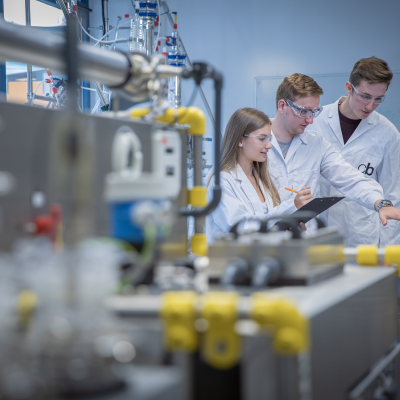
Hydrogen and Fuel Cells programs in Germany place international students at the forefront of the global clean energy transition, supported by the country’s €9 billion National Hydrogen Strategy that makes H₂ a cornerstone of full decarbonization. These English-taught programs cover the entire hydrogen value chain, from electrolyzer development and safe storage systems to high-performance fuel cells for applications ranging from green steel production to passenger trains already in operation. Students gain interdisciplinary expertise in electrochemistry, thermodynamics, materials science, and process engineering, while engaging directly with projects such as offshore wind–powered hydrogen generation, industrial-scale decarbonization in steel and chemical plants, regional “hydrogen valleys,” and next-generation automotive applications.
Show more...Hydrogen and Fuel Cells programs in Germany place international students at the forefront of the global clean energy transition, supported by the country’s €9 billion National Hydrogen Strategy that makes H₂ a cornerstone of full decarbonization. These English-taught programs cover the entire hydrogen value chain, from electrolyzer development and safe storage systems to high-performance fuel cells for applications ranging from green steel production to passenger trains already in operation. Students gain interdisciplinary expertise in electrochemistry, thermodynamics, materials science, and process engineering, while engaging directly with projects such as offshore wind–powered hydrogen generation, industrial-scale decarbonization in steel and chemical plants, regional “hydrogen valleys,” and next-generation automotive applications. Germany’s robust hydrogen ecosystem—anchored by world-leading research institutes, global engineering companies, and innovative startups—offers outstanding internship and research opportunities that bridge theory with practice. Graduates are highly sought after by energy firms, automotive manufacturers, chemical industries, and infrastructure developers, commanding starting salaries of around €68,000. With low tuition fees, extensive industry partnerships, and Germany’s 18-month post-study work permit, these programs provide an ideal platform for international students to launch impactful careers in shaping the hydrogen economy that will drive the next industrial era.
Show less Most Popular English-taught Hydrogen and Fuel Cells Programs without Admission Restriction

 See them all

 Which degree?
 Choose degree
Browse Study Programs
6 courses available
 Type in your Subject, e.g., Economics Universities with the most admission-free English-taught Hydrogen and Fuel Cells programs See them all
Filter all programs for your Language Certificate
 Language Certificates
 Your certificate level/score
Disclaimer: Each study program has its own specific language requirements. Hence, we strongly recommend checking each program individually for complete information about language requirements.
StudyFinder  UniFinder
 back to top

 Sort by:
 People Also Search
 You May Also Like Discover More