Browse Study Programs
6 courses available
Remote Sensing & Modelling Master in English
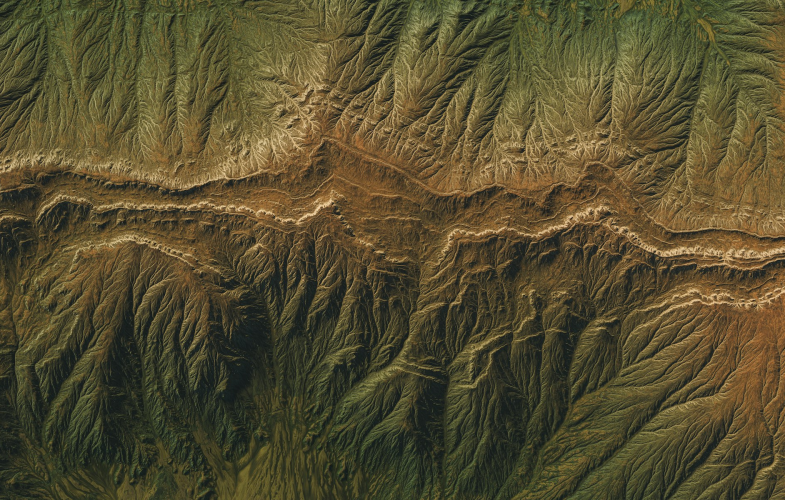
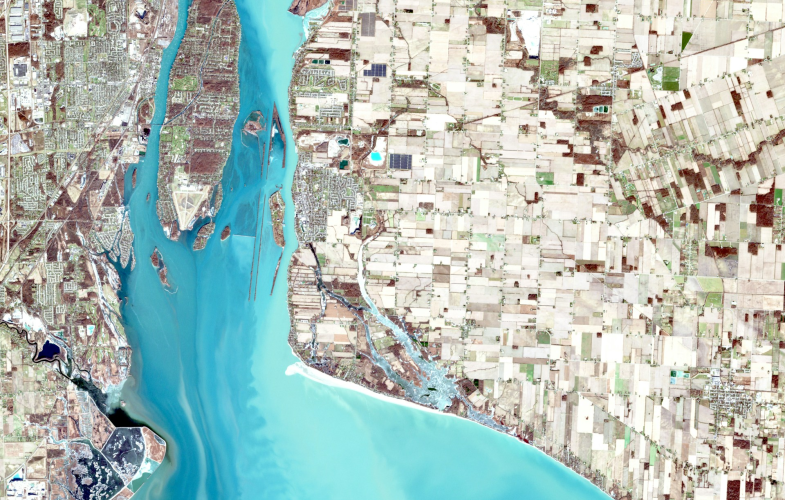
Remote Sensing & Modelling programs in Germany position international students at the technological frontier where satellites meet supercomputers, studying in a nation whose space agency DLR operates Earth observation missions while research institutes pioneer methods transforming pixels into planetary insights—creating specialists who extract knowledge from terabytes of satellite data to monitor everything from Amazon deforestation to urban heat islands in real-time. These highly technical English-taught degrees merge physics, computer science, and environmental science: students master electromagnetic theory understanding how different wavelengths reveal invisible information, develop algorithms processing radar data that penetrates clouds, create machine learning models classifying land use from hyperspectral imagery, validate satellite observations with ground truth data, and understand why German precision in calibration and validation makes their remote sensing data globally trusted—discovering that remote sensing means seeing Earth as integrated system from 800 kilometers above. Germany's remote sensing infrastructure provides unparalleled resources through massive investments: access to data from European Sentinel satellites monitoring the entire planet, supercomputing facilities processing petabytes of Earth observation data, research aircraft equipped with advanced sensors, ground validation networks ensuring accuracy, and partnerships with space industry from satellite manufacturers to data analytics companies—experiencing how remote sensing transforms from raw data to actionable intelligence.
Show more...Remote Sensing & Modelling programs in Germany position international students at the technological frontier where satellites meet supercomputers, studying in a nation whose space agency DLR operates Earth observation missions while research institutes pioneer methods transforming pixels into planetary insights—creating specialists who extract knowledge from terabytes of satellite data to monitor everything from Amazon deforestation to urban heat islands in real-time. These highly technical English-taught degrees merge physics, computer science, and environmental science: students master electromagnetic theory understanding how different wavelengths reveal invisible information, develop algorithms processing radar data that penetrates clouds, create machine learning models classifying land use from hyperspectral imagery, validate satellite observations with ground truth data, and understand why German precision in calibration and validation makes their remote sensing data globally trusted—discovering that remote sensing means seeing Earth as integrated system from 800 kilometers above. Germany's remote sensing infrastructure provides unparalleled resources through massive investments: access to data from European Sentinel satellites monitoring the entire planet, supercomputing facilities processing petabytes of Earth observation data, research aircraft equipped with advanced sensors, ground validation networks ensuring accuracy, and partnerships with space industry from satellite manufacturers to data analytics companies—experiencing how remote sensing transforms from raw data to actionable intelligence. The interdisciplinary curriculum demands diverse technical skills: radiative transfer physics, image processing and pattern recognition, GIS integration for spatial analysis, time series modeling detecting environmental changes, and application domains from precision agriculture to disaster response. Remote sensing specialists command €62,000+ starting salaries in expanding field: positions at space agencies planning future missions, environmental consultancies monitoring compliance, agricultural companies optimizing crop yields, urban planning using satellite data for smart cities, or climate research tracking planetary changes—all while Germany's leadership in Earth observation, nearly free education despite expensive infrastructure, strong international collaborations, and work permits create ideal conditions for international students mastering technologies that let humanity monitor its only home from space.
Show less Intake
 Language of Instruction
 Numerus Clausus
 Tuition fees

 Germans & EU Students

 Non-EU Students

Browse Study Programs
6 courses available
 Type in your Subject, e.g., Economics

Filter all programs for your Language Certificate
Language Certificates  Your certificate level/score
Disclaimer: Each study program has its own specific language requirements. Hence, we strongly recommend checking each program individually for complete information about language requirements.
 QS Ranking
 StudyFinder
 UniFinder
 back to top

 Sort by:
 People Also Search
 You May Also Like Discover More