




Browse Study Programs
16 courses available
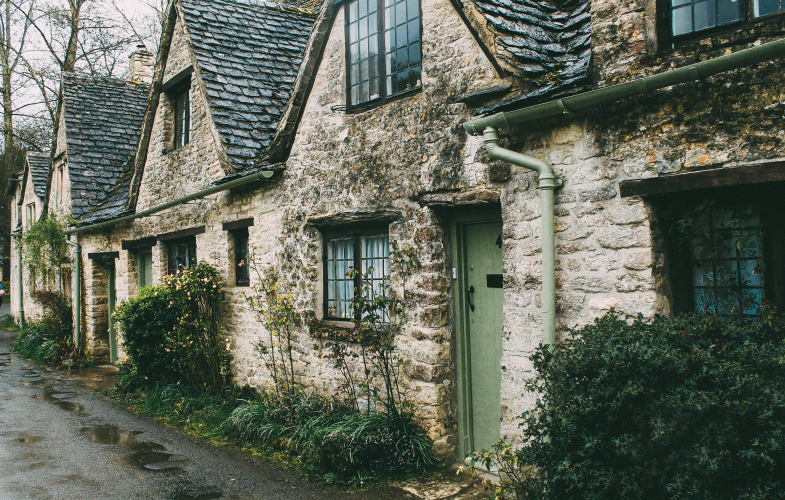
Building Research: Top Master Programs
Germany’s Building Research programs place international students at the forefront of sustainable innovation, where physics, engineering, and architecture converge to transform the built environment—responsible for 40% of global energy use—into a driver of climate solutions. Offered at leading institutions such as TU Munich, TU Stuttgart, Bauhaus-Universität Weimar, and Fraunhofer IBP, these English-taught degrees go beyond traditional construction studies to explore building thermodynamics, hygrothermal physics, daylighting, indoor air quality, acoustics, and digital twin modeling. Students gain hands-on experience in Europe’s most advanced facilities, from climate chambers simulating Arctic storms to full-scale façade testing rigs and “living laboratories” that monitor building performance in real time.
Show more...Germany’s Building Research programs place international students at the forefront of sustainable innovation, where physics, engineering, and architecture converge to transform the built environment—responsible for 40% of global energy use—into a driver of climate solutions. Offered at leading institutions such as TU Munich, TU Stuttgart, Bauhaus-Universität Weimar, and Fraunhofer IBP, these English-taught degrees go beyond traditional construction studies to explore building thermodynamics, hygrothermal physics, daylighting, indoor air quality, acoustics, and digital twin modeling. Students gain hands-on experience in Europe’s most advanced facilities, from climate chambers simulating Arctic storms to full-scale façade testing rigs and “living laboratories” that monitor building performance in real time. The curriculum blends scientific rigor with applied innovation, training students to design adaptive façades, develop next-generation insulation materials, prevent moisture damage in cultural heritage sites, and optimize smart buildings using AI-powered sensor networks. Germany’s strong industry links—ranging from BASF’s carbon-storing concrete and Sto’s self-cleaning facades to Mittelstand specialists in advanced materials—ensure direct collaboration on real-world projects. Graduates, entering a job market driven by the EU’s €250 billion renovation wave and global decarbonization goals, command starting salaries of €55,000–€75,000 in roles such as building performance consultants, sustainability managers, research scientists, or digital construction innovators. With nominal tuition fees, generous research funding, extensive industry partnerships, and 18-month post-study work permits, Germany offers an unmatched platform for students committed to revolutionizing buildings from climate problems into climate solutions—combining scientific excellence, technological innovation, and practical relevance to shape a sustainable future.
Show less
Browse Study Programs
16 courses available
 Type in your Subject, e.g., Economics
 QS Ranking
 StudyFinder
 UniFinder
 back to top

 Sort by:
 People Also Search
 You May Also Like Discover More