Browse Study Programs
10 courses available
Marine Sciences & Oceanography Master in English
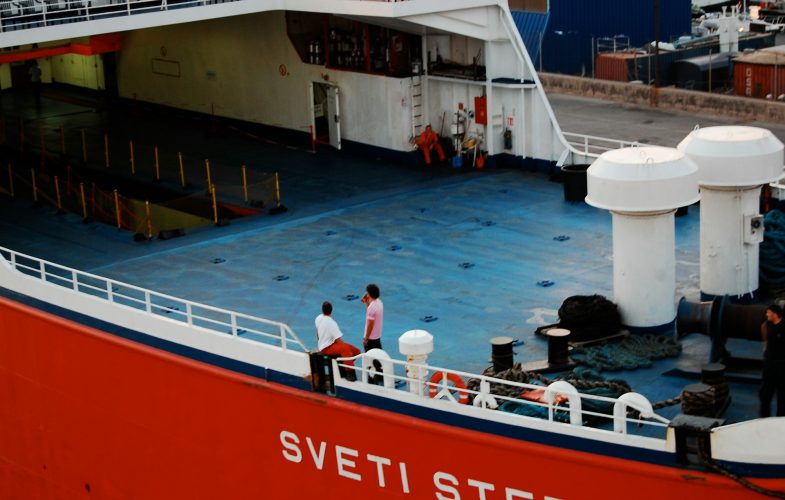
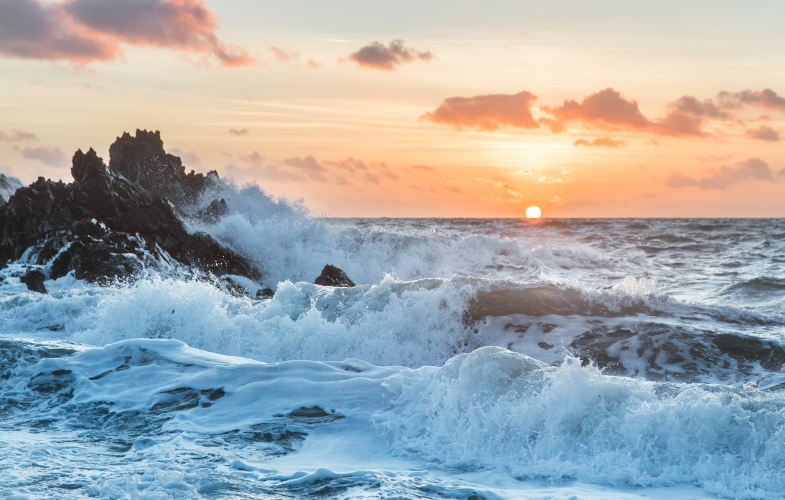
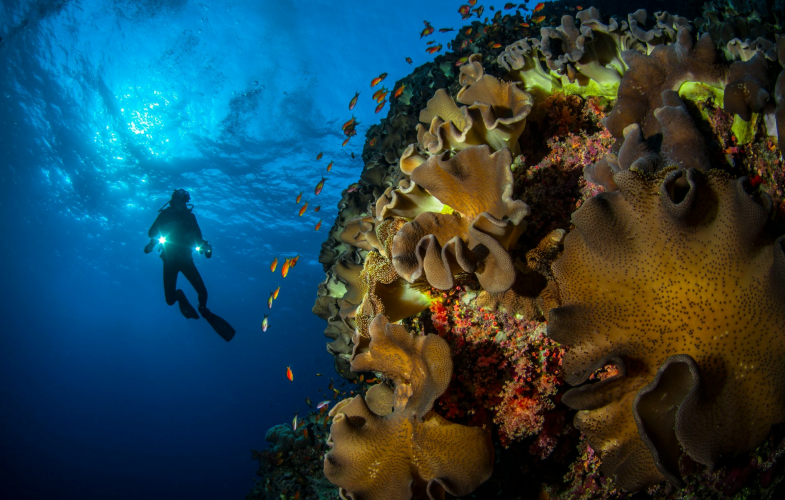
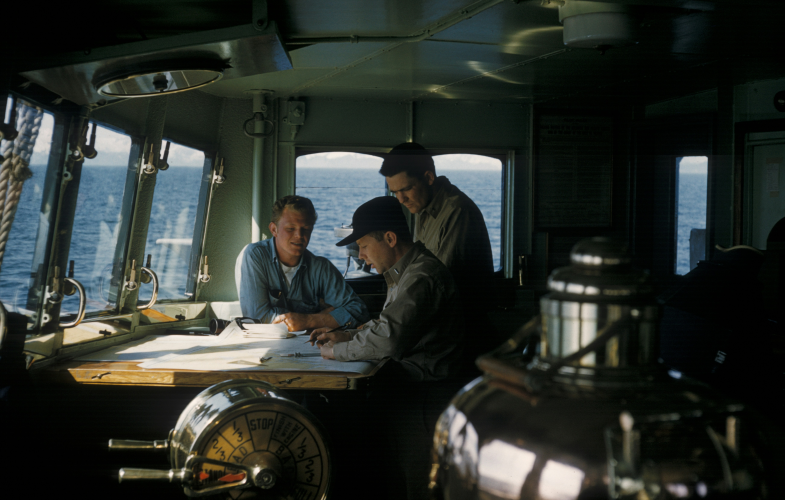
Marine Sciences & Oceanography programs in Germany position international students at the frontlines of understanding Earth's final frontier, studying where the North and Baltic Seas provide natural laboratories for examining everything from ocean acidification to sustainable fisheries—in a nation whose marine research vessels like Polarstern explore from Arctic ice to deep-sea trenches, creating scientists who decode ocean systems controlling climate, feeding billions, and harboring biodiversity surpassing rainforests. These interdisciplinary English-taught degrees explore oceans from surface to seafloor: students analyze how melting Arctic ice alters Atlantic circulation patterns threatening European climate, investigate marine microbes producing half Earth's oxygen, model storm surges protecting coastal communities, develop sustainable aquaculture reducing pressure on wild fish stocks, and understand why German oceanography's systematic approach combines high-tech observation with ecological understanding—discovering that marine sciences mean studying the 71% of Earth that shapes all life. Germany's strategic coastal position provides unmatched research opportunities through world-class infrastructure: research vessels equipped with submarines and ROVs, marine stations on Helgoland and Sylt monitoring ecosystem changes, wave tanks simulating ocean dynamics, satellite data revealing global ocean patterns, and international collaborations from tropical coral reefs to polar seas—experiencing how oceanography requires both sea legs and computational skills.
Show more...Marine Sciences & Oceanography programs in Germany position international students at the frontlines of understanding Earth's final frontier, studying where the North and Baltic Seas provide natural laboratories for examining everything from ocean acidification to sustainable fisheries—in a nation whose marine research vessels like Polarstern explore from Arctic ice to deep-sea trenches, creating scientists who decode ocean systems controlling climate, feeding billions, and harboring biodiversity surpassing rainforests. These interdisciplinary English-taught degrees explore oceans from surface to seafloor: students analyze how melting Arctic ice alters Atlantic circulation patterns threatening European climate, investigate marine microbes producing half Earth's oxygen, model storm surges protecting coastal communities, develop sustainable aquaculture reducing pressure on wild fish stocks, and understand why German oceanography's systematic approach combines high-tech observation with ecological understanding—discovering that marine sciences mean studying the 71% of Earth that shapes all life. Germany's strategic coastal position provides unmatched research opportunities through world-class infrastructure: research vessels equipped with submarines and ROVs, marine stations on Helgoland and Sylt monitoring ecosystem changes, wave tanks simulating ocean dynamics, satellite data revealing global ocean patterns, and international collaborations from tropical coral reefs to polar seas—experiencing how oceanography requires both sea legs and computational skills. The comprehensive curriculum merges physics, chemistry, biology, and geology: physical oceanography understanding currents and waves, marine chemistry tracking acidification and nutrient cycles, biological oceanography from plankton to whales, marine geology exploring seafloor spreading, and practical skills from scuba diving to programming ocean models. Marine scientists command €54,000+ starting salaries in expanding "blue economy": research positions at institutes like Alfred Wegener and GEOMAR, environmental consulting for offshore wind farms, fisheries management ensuring sustainable harvests, climate modeling predicting sea-level rise, or marine conservation protecting threatened ecosystems—all while Germany's marine research excellence, nearly free education, access to two seas with distinct characteristics, and work permits create ideal conditions for international students exploring humanity's most important yet least understood realm.
Show less Intake
 Language of Instruction
 Numerus Clausus
 Tuition fees

 Germans & EU Students

 Non-EU Students

Browse Study Programs
10 courses available
 Type in your Subject, e.g., Economics


Filter all programs for your Language Certificate
Language Certificates  Your certificate level/score
Disclaimer: Each study program has its own specific language requirements. Hence, we strongly recommend checking each program individually for complete information about language requirements.
 QS Ranking
 StudyFinder
 UniFinder
 back to top

 Sort by:
 People Also Search Discover More