

Browse Study Programs
7 courses available

Biomolecular Engineering: Top Master Programs
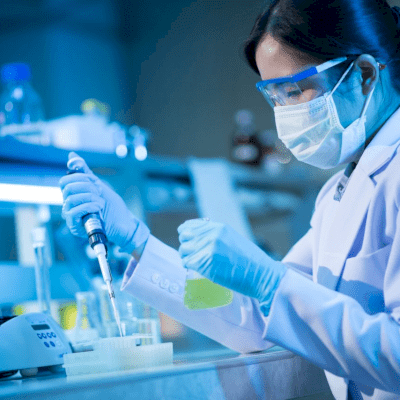
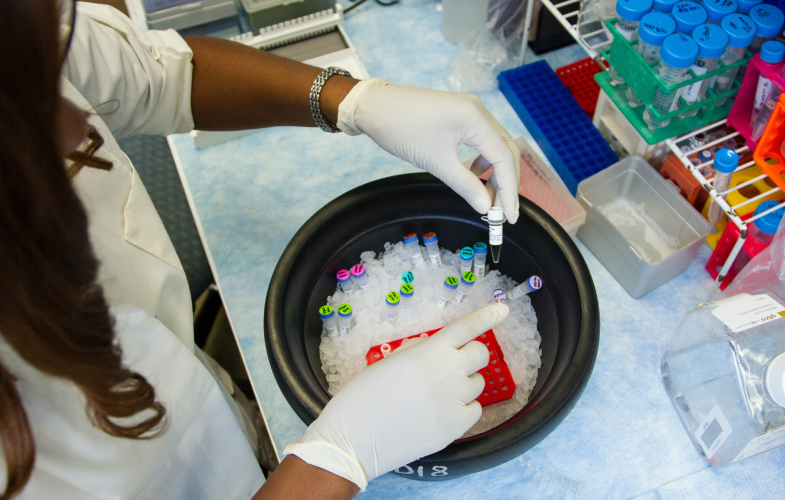
Biomolecular Engineering programs in Germany provide international students with an interdisciplinary education at the crossroads of biology, chemistry, and engineering, preparing specialists to design and develop molecules, materials, and processes that address critical global challenges in medicine, biotechnology, and environmental sustainability. These English-taught degrees combine strong theoretical foundations in molecular biology, organic and physical chemistry, and process engineering with extensive hands-on laboratory training in areas such as protein engineering, metabolic pathway design, nanomaterials, and bioprocess optimization. Students gain the expertise to create molecular-level innovations including targeted drug delivery systems, enzyme-based catalysts for sustainable chemical production, biosensors for medical diagnostics, and bio-based polymers that replace fossil-derived plastics.
Show more...Biomolecular Engineering programs in Germany provide international students with an interdisciplinary education at the crossroads of biology, chemistry, and engineering, preparing specialists to design and develop molecules, materials, and processes that address critical global challenges in medicine, biotechnology, and environmental sustainability. These English-taught degrees combine strong theoretical foundations in molecular biology, organic and physical chemistry, and process engineering with extensive hands-on laboratory training in areas such as protein engineering, metabolic pathway design, nanomaterials, and bioprocess optimization. Students gain the expertise to create molecular-level innovations including targeted drug delivery systems, enzyme-based catalysts for sustainable chemical production, biosensors for medical diagnostics, and bio-based polymers that replace fossil-derived plastics. Supported by Germany’s global reputation in life sciences, biotechnology, and green chemistry—alongside world-class research institutions such as the Max Planck Society and Fraunhofer Institutes—students benefit from cutting-edge facilities, interdisciplinary research, and collaborations with pharmaceutical companies, biotech startups, and environmental technology firms. Practical experience is built into the curriculum through research projects and industry internships, ensuring strong connections between academic knowledge and real-world applications. Graduates, who typically earn starting salaries of €48,000–€58,000, pursue careers in biomedical research, pharmaceuticals, industrial biotechnology, and environmental engineering. With affordable tuition, generous funding opportunities, and Germany’s 18-month post-study work permit, these programs offer international students the ideal environment to launch impactful careers at the forefront of biomolecular innovation.
Show less
Browse Study Programs
7 courses available
 Type in your Subject, e.g., Economics
 QS Ranking
 StudyFinder
 UniFinder
 back to top

 Sort by:
 People Also Search
 You May Also Like Discover More