



Browse Study Programs
18 courses available

Food Science in Germany
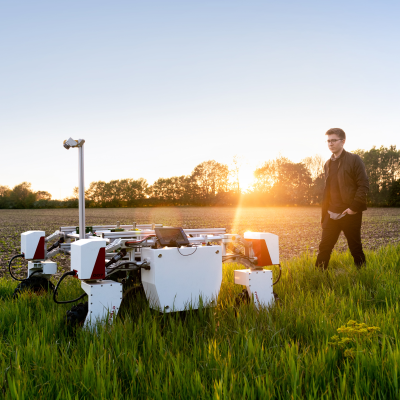
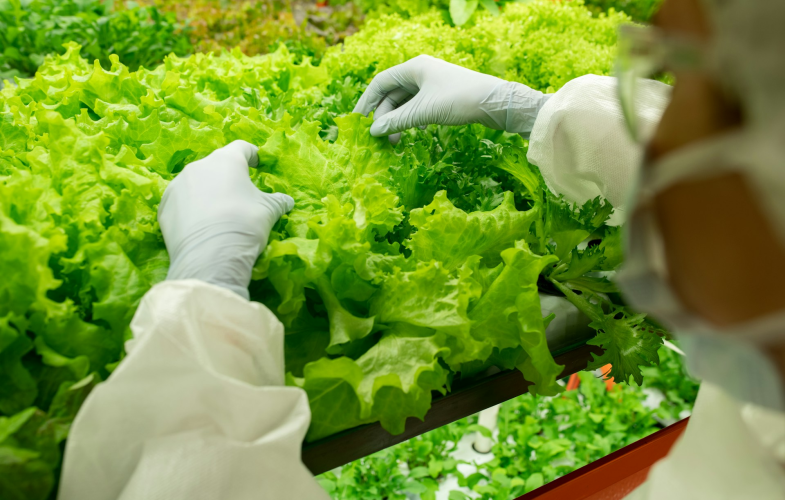
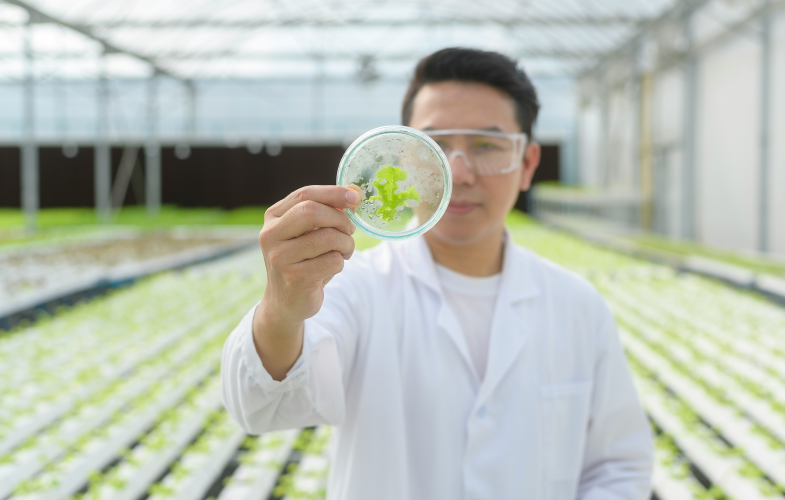
Food Science programs in Germany offer international students the chance to study in Europe’s largest food market, where tradition meets cutting-edge innovation in an industry worth over €180 billion annually. These interdisciplinary, often English-taught degrees cover the entire journey from molecule to marketplace, combining chemistry, biology, and engineering to ensure food is safe, sustainable, and appealing. Students learn to detect contaminants at parts-per-billion levels, design nutrient-preserving processes, develop clean-label products, and explore gut microbiome interactions, while also navigating regulations that range from the historic beer purity laws to novel food approvals.
Show more...Browse Study Programs
18 courses available
 Type in your Subject, e.g., Economics
 Which degree?
 Choose degree
 German Students
  Other EU Students
  Non-EU Students German Students German Students Other EU Students
  Non-EU Students Non-EU Students
 Specific courses may have different application deadlines. Please always double-check the information individually.


 Which degree?Choose degree German Students Other EU Students Non-EU Students Non-EU Students StudyFinder
  UniFinder
  back to top

 1 filer option selected
  Sort by:
  People Also Search
  You May Also Like Discover More