Browse Study Programs
17 courses available

Conservation Biology: Programs
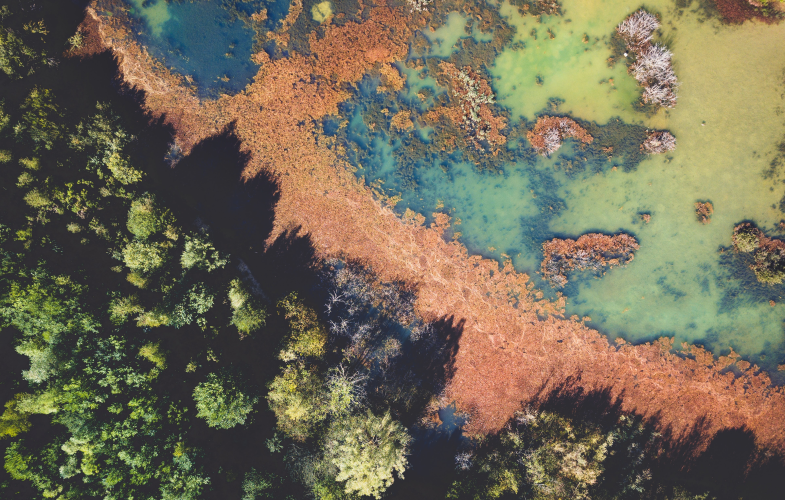
Germany is a premier destination for international students pursuing Conservation Biology, offering world-class education at the forefront of biodiversity research and ecosystem protection in a country that invests heavily in conservation and manages thousands of protected areas, including 16 national parks and the Wadden Sea UNESCO World Heritage site. Programs at institutions such as the University of Freiburg, the Senckenberg Biodiversity and Climate Research Centre in Frankfurt, and the Helmholtz Centre for Environmental Research (UFZ) combine scientific rigor with practical applications, covering population genetics, landscape ecology, restoration ecology, and conservation planning. Students gain hands-on experience through species monitoring, habitat management, and fieldwork in diverse ecosystems—from Alpine forests to coastal wetlands—while using cutting-edge tools like environmental DNA analysis, GIS mapping, and drone surveys.
Show more...Germany is a premier destination for international students pursuing Conservation Biology, offering world-class education at the forefront of biodiversity research and ecosystem protection in a country that invests heavily in conservation and manages thousands of protected areas, including 16 national parks and the Wadden Sea UNESCO World Heritage site. Programs at institutions such as the University of Freiburg, the Senckenberg Biodiversity and Climate Research Centre in Frankfurt, and the Helmholtz Centre for Environmental Research (UFZ) combine scientific rigor with practical applications, covering population genetics, landscape ecology, restoration ecology, and conservation planning. Students gain hands-on experience through species monitoring, habitat management, and fieldwork in diverse ecosystems—from Alpine forests to coastal wetlands—while using cutting-edge tools like environmental DNA analysis, GIS mapping, and drone surveys. With strong links to European conservation initiatives and organizations such as WWF Germany and NABU, graduates are well-prepared for careers as conservation scientists, wildlife biologists, environmental consultants, and protected area managers, typically earning starting salaries of €40,000–€48,000. Supported by affordable or tuition-free education, extensive field research opportunities, and Germany’s 18-month post-study work permit, these programs provide an ideal platform for students eager to address the biodiversity crisis and develop evidence-based strategies for protecting ecosystems worldwide.
Show less Intake
 Language of Instruction
 Numerus Clausus
 Tuition fees

 Germans & EU Students

 Non-EU Students

Browse Study Programs
17 courses available
 Type in your Subject, e.g., Economics

 Which degree?
 Choose degree
 QS Ranking

← Prev Page
1
2
Next Page →
StudyFinder  UniFinder
 back to top

 Sort by:
 People Also Search
 You May Also Like Discover More